
Inguinal Hernia Surgery: Which Factors Determine the Right Technique?

Inguinal hernia surgery is the definitive treatment for one of the most common abdominal wall conditions. Even though it is a routine procedure in general surgery, many patients still feel uncertain before moving forward with treatment. In most cases, the real question is not only whether surgery is necessary, but which surgical technique is the most appropriate for their individual case. There is no single answer that applies to everyone. The choice between open and laparoscopic inguinal hernia surgery depends on several important factors, including the type of hernia, the patient’s medical history, daily activity level, and the overall surgical plan. For this reason, proper evaluation by an experienced general surgeon is essential. When patients understand what influences this decision, they feel more prepared, more confident, and less anxious about the next step. 1. The type and size of the hernia One of the main elements that influences the choice of technique is the nature of the hernia itself. Not all inguinal hernias are the same. Some are smaller and more straightforward, while others are larger, more symptomatic, or anatomically more complex. The exact type and size of the hernia help determine how the repair should be planned. A small primary hernia may be approached differently from a larger defect or a more demanding case. This is why careful clinical examination is always the starting point before deciding on the most suitable form of inguinal hernia surgery. 2. Whether it is a first-time hernia or a recurrence Another major factor is whether the patient is dealing with a hernia for the first time or with a recurrence after previous repair. Recurrent hernias require more strategic planning because the tissues have already been operated on, and the anatomy may have changed. In these cases, the surgeon must take into account the previous surgical approach and evaluate whether a different route of access would be more appropriate. This is one of the reasons why the right inguinal hernia surgery technique cannot be selected in a generic way. Past treatment history matters significantly. 3. Whether the hernia is unilateral or bilateral The choice of surgical technique may also be influenced by whether the hernia affects one side or both sides of the groin. Bilateral hernias often require a different line of thinking compared with a single-sided defect. In some cases, laparoscopic inguinal hernia surgery may offer practical advantages when both sides need repair, since both hernias can be addressed through the same minimally invasive access. However, this does not automatically make it the correct choice for every patient. It is simply one of the important factors the surgeon considers. 4. The patient’s age and overall health Age alone does not determine the right technique, but the general health of the patient plays an important role. Associated medical conditions, physical status, and the overall ability to undergo a specific operation safely must always be considered. The aim is not simply to perform inguinal hernia surgery, but to do so in a way that combines effectiveness with safety. A treatment plan must be realistic, individualized, and adapted to the patient’s actual medical profile. 5. Previous abdominal or groin surgery A patient’s surgical history may influence which technique is more appropriate. Previous procedures in the lower abdomen or groin area can affect the anatomy, tissue planes, and ease of surgical access. This is why complete medical history is so important during preoperative consultation. Inguinal hernia surgery should never be chosen based only on what sounds more advanced or more popular. The technical details of the patient’s history may strongly shape the safest and most effective approach. 6. Work demands and daily lifestyle Patients do not all return to the same type of routine after surgery. Someone with a physically demanding job may have different priorities from someone who works in an office. The need for faster recovery, the nature of daily activity, and the demands of work all play a role in selecting the most appropriate surgical method. Inguinal hernia surgery should be planned with the patient’s real life in mind. A technique that is suitable for one person may not necessarily be the best option for another with different physical demands or recovery expectations. Why there is no single best technique for everyone Many patients search online for the “best” inguinal hernia surgery and expect a simple answer. Some assume laparoscopic repair is always better because it is less invasive, while others believe open surgery is more reliable because it is more traditional. In reality, both ideas are oversimplified. The most appropriate surgical technique depends on the full clinical picture, not on general assumptions. Open repair remains a very effective and reliable option in many cases. Laparoscopic repair can also offer important advantages in selected patients. The correct choice is not based on trends, but on individualized surgical assessment. The importance of proper surgical judgment The success of inguinal hernia surgery depends not only on technical execution, but also on the quality of the decision made beforehand. Patients need clear information, realistic expectations, and guidance that is tailored to their own condition. This is where the experience of the surgeon becomes especially important. A skilled general surgeon does not apply the same plan to every patient. Instead, they evaluate the specific details of the case, explain the options carefully, and recommend the technique that best serves the patient’s safety and long-term outcome. Proper treatment begins with the right technique selection In inguinal hernia cases, the goal is not simply to proceed to surgery, but to choose the right surgical strategy from the start. The type of hernia, prior medical and surgical history, work demands, and the patient’s overall condition all contribute to that decision. Dr. Vasileios Kontostolis approaches each inguinal hernia case individually, with emphasis on accurate diagnosis, careful patient guidance, and the selection of the most appropriate surgical technique according to each patient’s actual needs. When the treatment plan is properly designed from the beginning, patients can move forward with greater clarity, confidence,
Prostate Surgery Recovery: Timeline, Tips and What to Expect
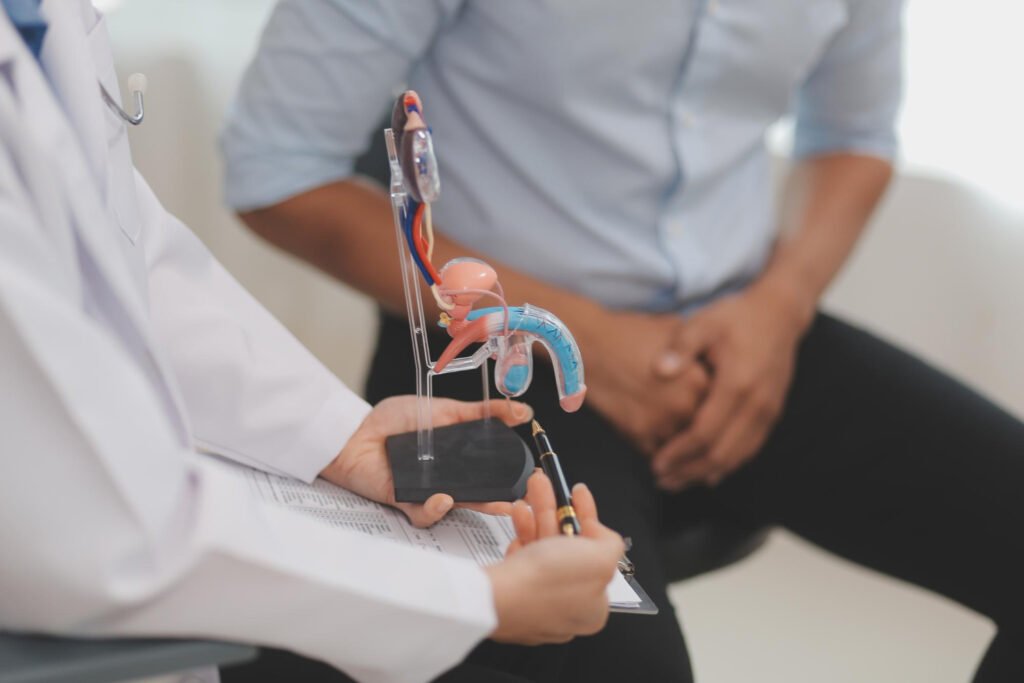
Prostate Surgery Recovery is a critical phase that directly impacts both the overall outcome of the treatment and the patient’s long-term quality of life. Although modern surgical techniques—especially minimally invasive and robotic-assisted procedures—have significantly improved safety, precision, and recovery times, the post-operative period remains essential for achieving optimal results. During this stage, the body gradually heals, and important functions such as urinary control and overall physical comfort begin to improve over time. The way a patient manages this period, in combination with proper medical guidance, can influence not only the speed of recovery but also the effectiveness of the procedure in the long run. Patients often have questions about how long recovery takes, what symptoms are considered normal, and how quickly they can return to daily activities, work, and exercise. Understanding what to expect and following a structured recovery plan can help reduce anxiety, prevent complications, and ensure a smoother transition back to normal life. How long does recovery take? The recovery timeline after prostate surgery varies depending on the type of procedure performed, the patient’s overall health, and the complexity of the case. Thanks to modern surgical techniques, especially minimally invasive and robotic-assisted procedures, recovery has become significantly faster and more manageable for most patients. In general: Minimally invasive procedures allow faster recovery Patients who undergo robotic or less invasive techniques typically experience less pain, smaller incisions, and quicker healing times. Most patients return to normal activities within a few weeks Light daily activities can often be resumed relatively soon, while more demanding physical tasks may require additional time. Full recovery may take longer depending on the case Functional recovery, including urinary control and overall comfort, improves gradually and may take several weeks or months, depending on the individual. It is important to understand that recovery is a gradual process, and progress may vary from patient to patient. Regular follow-up with a specialist ensures that healing is progressing as expected and allows for timely management of any concerns. Each patient’s recovery journey is unique and should be closely monitored by an experienced prostate surgeon to achieve the best possible outcome. What to expect after prostate surgery After the procedure, patients may experience temporary changes as the body begins the natural healing process. While modern surgical techniques have reduced discomfort and recovery time, it is normal for the body to χρειάζεται ένα διάστημα προσαρμογής μέχρι να επανέλθει πλήρως. In the first days following surgery, patients are typically monitored to ensure proper recovery and to prevent potential complications. As healing progresses, most symptoms gradually improve and patients begin to regain their normal routine. Common post-operative expectations include: Mild discomfort or fatigue It is common to feel tired or experience mild pain in the early recovery phase, which usually subsides over time. Temporary urinary changes Patients may notice changes in urinary control or frequency, which tend to improve gradually as the body heals. Gradual improvement in symptoms The benefits of the procedure, especially in urinary function, become more noticeable over time. Need for follow-up appointments Regular medical check-ups are essential to monitor recovery and ensure everything is progressing as expected. In some cases, certain functions may take longer to fully recover, depending on the type of surgery and the individual patient. However, with proper care and medical guidance, most patients experience steady improvement. These effects are usually part of the normal healing process and improve over time, especially when patients follow their doctor’s instructions and maintain consistent follow-up care. Tips for a smooth recovery To ensure optimal recovery after prostate surgery, patients should follow specific guidelines that support healing and reduce the risk of complications. A well-structured recovery plan, combined with proper medical guidance, can significantly improve outcomes and help patients return to their normal routine more quickly. Key recommendations include: Follow all medical instructions carefully Adhering to your doctor’s advice regarding medication, wound care, and activity levels is essential for proper healing. Avoid heavy physical activity in the first weeks Strenuous exercise and lifting should be limited during the early recovery phase to prevent complications and allow the body to heal safely. Stay hydrated and maintain a balanced diet Proper nutrition and hydration support tissue repair, improve energy levels, and contribute to overall recovery. Attend all follow-up appointments Regular check-ups allow the doctor to monitor progress, address any concerns, and ensure that recovery is on track. Communicate any unusual symptoms to your doctor Promptly reporting symptoms such as pain, discomfort, or changes in urinary function helps prevent potential complications. Recovery is a gradual process, and patience is key. With the right care and guidance from an experienced prostate surgeon, most patients achieve a smooth recovery and a significant improvement in their quality of life. The role of the surgeon in recovery The surgeon’s expertise plays a crucial role not only during the operation but also throughout the entire recovery process. Successful prostate surgery is not limited to the procedure itself, but extends to proper post-operative care, guidance, and continuous monitoring. An experienced prostate surgeon is able to provide clear instructions, anticipate potential challenges, and support the patient at every stage of recovery. This includes managing symptoms, monitoring healing progress, and ensuring that the patient regains important functions as smoothly as possible. Regular follow-up, personalized recommendations, and ongoing communication between the patient and the surgeon are essential for achieving the best possible outcomes. The level of care provided after surgery can significantly impact both recovery speed and long-term quality of life. For a complete overview of prostate surgery and available techniques, read more here: prostate surgery in Greece Dr. Spyridwn Martinis is considered among the best prostate surgeons in Greece, with extensive experience in modern and robotic urological surgery. Dr. Spyridwn Martinis, focuses not only on surgical precision but also on comprehensive patient care, supporting individuals throughout every stage of treatment and recovery.
Χειρουργός προστάτη: Πώς να επιλέξετε τον κατάλληλο για την περίπτωσή σας

Η επιλογή του κατάλληλου χειρουργού προστάτη αποτελεί ένα από τα πιο σημαντικά βήματα για κάθε άνδρα που αντιμετωπίζει πρόβλημα με τον προστάτη. Είτε πρόκειται για καλοήθη υπερπλασία είτε για καρκίνο του προστάτη, η εμπειρία και η εξειδίκευση του ιατρού μπορούν να επηρεάσουν καθοριστικά τόσο την επιτυχία της θεραπείας όσο και την ποιότητα ζωής μετά την επέμβαση. Ο προστάτης είναι ένα ιδιαίτερα ευαίσθητο όργανο, και οι χειρουργικές επεμβάσεις στην περιοχή απαιτούν ακρίβεια, σωστό σχεδιασμό και εξειδικευμένη γνώση. Η επιλογή ενός έμπειρου χειρουργού δεν σχετίζεται μόνο με την τεχνική της επέμβασης, αλλά και με τη συνολική διαχείριση του περιστατικού, από τη διάγνωση μέχρι την ανάρρωση. Με τις σύγχρονες εξελίξεις στη χειρουργική, οι διαθέσιμες επιλογές είναι πλέον περισσότερες και πιο αποτελεσματικές, γεγονός που καθιστά ακόμα πιο σημαντική τη σωστή καθοδήγηση από έναν εξειδικευμένο επαγγελματία υγείας. Τεχνικές όπως η ρομποτική χειρουργική προσφέρουν μεγαλύτερη ακρίβεια και καλύτερα λειτουργικά αποτελέσματα, ωστόσο η εμπειρία του ιατρού παραμένει ο καθοριστικός παράγοντας για την επιτυχία. Για τον λόγο αυτό, η σωστή ενημέρωση και η επιλογή του κατάλληλου χειρουργού αποτελούν βασικά βήματα για μια ασφαλή και αποτελεσματική αντιμετώπιση. Γιατί είναι σημαντική η επιλογή χειρουργού προστάτη Η χειρουργική του προστάτη απαιτεί υψηλό επίπεδο εξειδίκευσης, καθώς πρόκειται για μία ιδιαίτερα ευαίσθητη και απαιτητική περιοχή του σώματος. Η εμπειρία και η τεχνική κατάρτιση του χειρουργού επηρεάζουν όχι μόνο την επιτυχία της επέμβασης, αλλά και την αποκατάσταση βασικών λειτουργιών, όπως η ούρηση και η σεξουαλική λειτουργία, που συνδέονται άμεσα με την ποιότητα ζωής του ασθενούς. Κάθε περίπτωση είναι διαφορετική και απαιτεί εξατομικευμένη προσέγγιση, τόσο στη διάγνωση όσο και στην επιλογή της κατάλληλης χειρουργικής μεθόδου. Ένας εξειδικευμένος χειρουργός μπορεί να αξιολογήσει σωστά τα δεδομένα του ασθενούς και να προτείνει τη βέλτιστη θεραπευτική λύση, λαμβάνοντας υπόψη την ηλικία, τη γενική υγεία και τη βαρύτητα της πάθησης. Παράλληλα, η εμπειρία του ιατρού σε σύγχρονες τεχνικές, όπως η ρομποτική χειρουργική, συμβάλλει σε μεγαλύτερη ακρίβεια κατά την επέμβαση, μειωμένο κίνδυνο επιπλοκών και ταχύτερη ανάρρωση. Ένας έμπειρος χειρουργός μπορεί επίσης να προσφέρει σωστή καθοδήγηση πριν και μετά το χειρουργείο, εξασφαλίζοντας μια πιο ομαλή και ασφαλή πορεία αποκατάστασης. Επιπλέον, η σωστή επιλογή χειρουργού σχετίζεται και με τη συνολική εμπειρία του ασθενούς, καθώς περιλαμβάνει τη σωστή ενημέρωση, την ψυχολογική υποστήριξη και την αίσθηση εμπιστοσύνης καθ’ όλη τη διάρκεια της θεραπείας. Η ύπαρξη ενός ιατρού που εμπνέει ασφάλεια και επικοινωνεί ξεκάθαρα τα βήματα της διαδικασίας συμβάλλει σημαντικά στη μείωση του άγχους και στην καλύτερη συνεργασία. Η επιλογή του κατάλληλου χειρουργού δεν αφορά μόνο την ίδια την επέμβαση, αλλά συνολικά τη φροντίδα και την υποστήριξη που θα λάβει ο ασθενής σε όλα τα στάδια της θεραπείας, από την πρώτη διάγνωση έως την πλήρη αποκατάσταση. Τι να προσέξετε στην επιλογή Κατά την επιλογή χειρουργού προστάτη, είναι σημαντικό να λάβετε υπόψη μια σειρά από παράγοντες που σχετίζονται τόσο με την επιστημονική κατάρτιση όσο και με τη συνολική προσέγγιση του ιατρού απέναντι στον ασθενή. Η σωστή επιλογή δεν επηρεάζει μόνο την επιτυχία της επέμβασης, αλλά και την εμπειρία, την ασφάλεια και την πορεία αποκατάστασης σε όλα τα στάδια της θεραπείας. Πιο συγκεκριμένα, καλό είναι να εξετάσετε: Την εξειδίκευση στη χειρουργική προστάτη Η στοχευμένη εμπειρία στον προστάτη αποτελεί βασικό κριτήριο, καθώς οι επεμβάσεις απαιτούν εξειδικευμένες γνώσεις, ακρίβεια και συνεχή εκπαίδευση στις εξελίξεις του κλάδου. Την εμπειρία σε σύγχρονες τεχνικές, όπως η ρομποτική χειρουργική Οι σύγχρονες μέθοδοι προσφέρουν καλύτερα λειτουργικά αποτελέσματα και ταχύτερη ανάρρωση, όμως απαιτούν σημαντική εμπειρία και εξοικείωση για να εφαρμοστούν με ασφάλεια. Τον αριθμό των επεμβάσεων που έχει πραγματοποιήσει Ένας χειρουργός με μεγάλο αριθμό περιστατικών διαθέτει συνήθως μεγαλύτερη αυτοπεποίθηση, καλύτερη κρίση και πιο αποτελεσματική διαχείριση ακόμη και σε απαιτητικές περιπτώσεις. Την εξατομικευμένη προσέγγιση στον ασθενή Κάθε ασθενής είναι διαφορετικός, επομένως η θεραπεία πρέπει να προσαρμόζεται πλήρως στις ανάγκες, το ιστορικό και τις προτεραιότητές του. Τη συνολική εμπιστοσύνη και επικοινωνία με τον ιατρό Η καλή επικοινωνία, η σαφής ενημέρωση και η αίσθηση εμπιστοσύνης είναι καθοριστικές, καθώς βοηθούν τον ασθενή να νιώθει ασφάλεια και να συμμετέχει ενεργά στη θεραπευτική διαδικασία. Επιπλέον, αξίζει να λαμβάνεται υπόψη και η συνολική προσέγγιση του ιατρού απέναντι στον ασθενή, καθώς η υποστήριξη πριν και μετά το χειρουργείο παίζει σημαντικό ρόλο στην τελική έκβαση. Η σωστή επιλογή χειρουργού συμβάλλει όχι μόνο στο επιτυχές αποτέλεσμα της επέμβασης, αλλά και σε μια πιο ομαλή, ασφαλή και θετική συνολική εμπειρία για τον ασθενή, από τη διάγνωση έως την πλήρη αποκατάσταση. Μπορεί να σας ενδιαφέρει: Η ζωή μετά τη ρομποτική χειρουργική προστάτη Ποιες είναι οι διαθέσιμες επιλογές θεραπείας Σήμερα, οι ασθενείς έχουν στη διάθεσή τους ένα ευρύ φάσμα σύγχρονων θεραπευτικών επιλογών για τις παθήσεις του προστάτη, οι οποίες προσαρμόζονται στις ανάγκες και τα ιδιαίτερα χαρακτηριστικά κάθε περίπτωσης. Η επιλογή της κατάλληλης μεθόδου εξαρτάται από τη διάγνωση, τη βαρύτητα των συμπτωμάτων, την ηλικία του ασθενούς, αλλά και τη συνολική του κατάσταση υγείας. Ανάλογα με την πάθηση, μπορεί να εφαρμοστούν: Συντηρητικές θεραπείες Σε αρχικά στάδια, η αντιμετώπιση μπορεί να γίνει με φαρμακευτική αγωγή και παρακολούθηση, με στόχο τον έλεγχο των συμπτωμάτων. Ελάχιστα επεμβατικές τεχνικές Πρόκειται για σύγχρονες μεθόδους που στοχεύουν στη βελτίωση της λειτουργίας του προστάτη με μικρότερη επιβάρυνση για τον ασθενή και ταχύτερη ανάρρωση. Ρομποτική χειρουργική Η πιο εξελιγμένη μορφή χειρουργείου προστάτη, που προσφέρει υψηλή ακρίβεια, μειωμένο κίνδυνο επιπλοκών και καλύτερα λειτουργικά αποτελέσματα. Κλασικές χειρουργικές επεμβάσεις Εφαρμόζονται σε πιο σύνθετες περιπτώσεις, όπου απαιτείται πιο εκτεταμένη αντιμετώπιση. Για περισσότερες πληροφορίες σχετικά με τις σύγχρονες μεθόδους χειρουργείου προστάτη, μπορείτε να διαβάσετε τον αναλυτικό οδηγό εδώ: χειρουργείο προστάτη. Η σωστή αξιολόγηση από έναν εξειδικευμένο χειρουργό είναι καθοριστική για την επιλογή της κατάλληλης θεραπείας, ώστε να επιτευχθεί το καλύτερο δυνατό αποτέλεσμα με τη μικρότερη δυνατή επιβάρυνση για τον ασθενή. Ο Δρ. Μαρτίνης Σπυρίδων θεωρείται ένας από τους καλύτερους χειρουργούς προστάτη στην Ελλάδα, με εξειδίκευση στη σύγχρονη και ρομποτική χειρουργική ουρολογία. Ο Δρ. Μαρτίνης, με πολυετή εμπειρία και σημαντικό αριθμό επιτυχημένων επεμβάσεων, προσφέρει εξατομικευμένη φροντίδα με στόχο την ασφάλεια και τη βέλτιστη αποκατάσταση των ασθενών.