
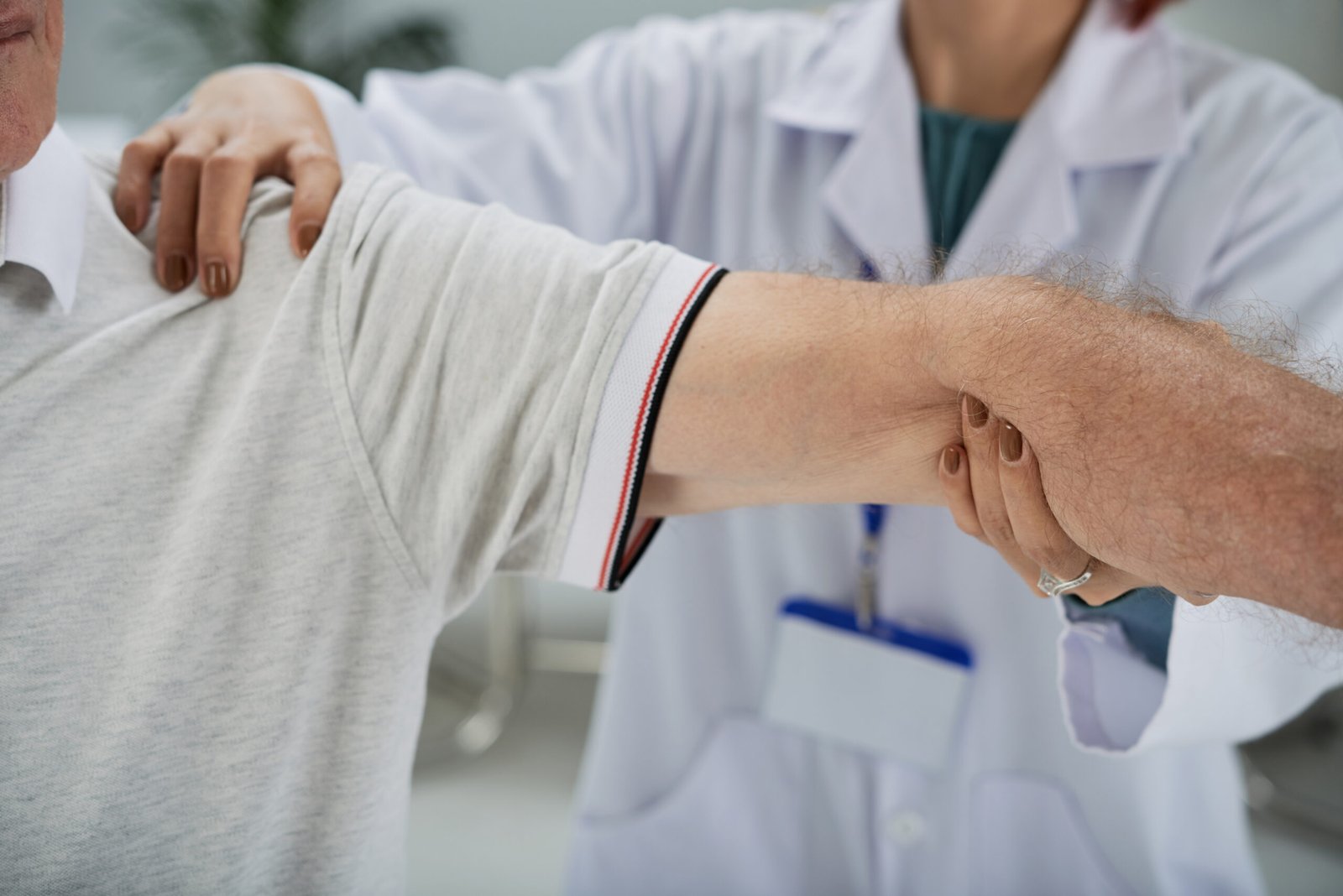
Shoulder replacement recovery is one of the most important factors patients consider before deciding to undergo surgery. While modern shoulder replacement techniques have significantly improved outcomes, recovery is a gradual process that requires patience, commitment, and a structured rehabilitation plan.
Every patient’s journey is unique. Age, overall health, the severity of shoulder damage, the type of shoulder replacement, and adherence to physical therapy all influence how quickly strength and mobility return. Understanding what happens during each stage of recovery helps set realistic expectations and reduces unnecessary anxiety after surgery.
Whether you’re preparing for an operation or already planning your rehabilitation, knowing what to expect month by month allows you to participate actively in your recovery and achieve the best possible outcome.
If you would like to learn more about the best shoulder surgeon in Greece, you can read on Iatromedia:
👉 The Best Shoulder Surgeon in Greece – Top 5 (2026)
Why shoulder replacement recovery takes time
Successful surgery is only the first step toward restoring shoulder function. The healing process involves bone, muscles, tendons, ligaments, and surrounding soft tissues, all of which need time to recover after the procedure.
Immediately after surgery, inflammation is a normal part of healing. During the following weeks, damaged tissues gradually repair while the artificial joint begins functioning as intended. At the same time, muscles that may have weakened over months or even years before surgery need to regain strength through carefully supervised rehabilitation.
Patients often expect pain to disappear immediately after the operation. In reality, discomfort usually decreases progressively rather than overnight. Mobility also improves gradually as healing continues and physical therapy advances.
Following your surgeon’s instructions is essential throughout this period. Overloading the shoulder too early can delay recovery, while avoiding movement altogether may contribute to stiffness and reduced function.
Shoulder replacement recovery: The first week after surgery
The first week focuses primarily on pain control, wound healing, and protecting the new joint.
Most patients remain in hospital for one or two days, depending on the surgical technique and their overall medical condition. Before discharge, they receive detailed instructions regarding medication, sling use, sleeping position, wound care, and early exercises.
Swelling and bruising around the shoulder and upper arm are common during this stage. Ice therapy, prescribed medication, and adequate rest usually help manage these symptoms effectively.
Gentle movements of the elbow, wrist, and hand are encouraged almost immediately to maintain circulation and reduce stiffness. Depending on the surgeon’s protocol, passive shoulder exercises may also begin under the supervision of a physiotherapist.
Although daily activities remain limited, many patients notice that the arthritic pain they experienced before surgery has already started to improve.
Shoulder replacement recovery during the first month
The first month represents one of the most important phases of shoulder replacement recovery. Healing progresses steadily, but the shoulder remains vulnerable while tissues continue repairing.
Most patients continue wearing a sling for several weeks, although the exact duration depends on the type of replacement performed and the surgeon’s recommendations.
During this period, physical therapy becomes increasingly important. Rehabilitation focuses on restoring gentle range of motion while protecting repaired tissues from excessive stress. Exercises are introduced gradually, and patients are encouraged to avoid lifting heavy objects or performing sudden movements.
Sleeping comfortably can still be challenging. Many people find that using extra pillows or sleeping in a reclined position helps reduce discomfort during the night.
By the end of the first month, pain has usually decreased significantly, although stiffness remains common. Progress varies between individuals, and comparing recovery with someone else’s experience is rarely helpful.
How physical therapy shapes long-term recovery
Physical therapy plays a central role throughout shoulder replacement recovery. Surgery restores the joint mechanically, but rehabilitation helps patients regain the strength and movement needed for everyday activities.
Early sessions concentrate on passive mobility exercises performed by the therapist or with assistance. As healing progresses, active movements are gradually introduced, followed by strengthening exercises targeting the rotator cuff, deltoid muscle, and shoulder stabilisers.
Consistency is far more important than intensity. Performing exercises correctly and regularly produces better long-term results than attempting rapid progress through excessive effort.
Communication between the patient, physiotherapist, and orthopaedic surgeon also contributes to safer rehabilitation. Any unexpected increase in pain, swelling, or loss of motion should be reported promptly to allow early assessment.
Shoulder replacement recovery: Factors that influence healing
Recovery speed differs considerably from one patient to another because several variables affect healing.
The most important factors include:
- Patient age and general health.
- Type of shoulder replacement performed.
- Bone quality.
- Muscle strength before surgery.
- Commitment to rehabilitation.
- Smoking status.
- Diabetes or other chronic medical conditions.
- Compliance with postoperative instructions.
Understanding these factors helps patients develop realistic expectations rather than focusing solely on recovery timelines found online.
People who actively participate in their rehabilitation programme generally experience better functional outcomes and greater satisfaction with surgery.
If you would like to learn more about shoulder arthroscopy in Greece, you can read on HealthBusiness:
👉 Shoulder arthroscopy in Greece: Procedure, recovery and results
When should you contact your surgeon?
Although most patients recover without significant complications, it is important to recognise the warning signs that require prompt medical evaluation.
Contact your healthcare provider immediately if you experience persistent fever, increasing redness around the surgical incision, wound drainage, severe swelling, sudden loss of shoulder movement or pain that becomes progressively worse instead of improving. These symptoms may indicate infection, joint instability or another postoperative complication that requires early treatment.
Patients should also seek medical advice if they notice numbness, weakness in the arm or hand, or any new symptoms that interfere with their recovery. Early assessment often prevents minor issues from developing into more serious problems.
Regular follow-up appointments remain an essential part of shoulder replacement recovery, allowing the surgical team to monitor healing, evaluate shoulder function and adjust rehabilitation when necessary.
Shoulder replacement recovery: Long-term expectations
One of the biggest concerns before surgery is how the shoulder will perform in the years ahead. Fortunately, modern shoulder replacement procedures provide excellent long-term outcomes for the majority of patients.
Most people experience substantial pain relief together with improved mobility and shoulder function. Activities such as dressing, cooking, driving and reaching overhead generally become much easier compared with the period before surgery.
It is important, however, to maintain realistic expectations. An artificial shoulder is designed to restore function and reduce pain, but it cannot completely replicate the biomechanics of a healthy natural joint.
Continuing with strengthening exercises, maintaining good posture and avoiding repetitive heavy lifting all contribute to preserving the longevity of the prosthesis.
Can you return to sports after shoulder replacement?
Many patients are eager to resume recreational activities once rehabilitation progresses.
Low-impact sports are usually encouraged after medical clearance because they help maintain strength, flexibility and cardiovascular health. Walking, stationary cycling, swimming and golf are common examples that many patients can enjoy again.
Activities involving repetitive overhead movements, heavy weightlifting or direct shoulder contact should be discussed carefully with the treating surgeon. The decision depends on the patient’s age, implant type, muscle strength and overall recovery.
Rather than focusing on returning as quickly as possible, patients should aim for a gradual and sustainable return to physical activity that protects the new joint over the long term.
Frequently Asked Questions
How long does shoulder replacement recovery usually take?
Most patients notice significant improvement within three to six months, although complete recovery may continue for up to twelve months depending on the individual case.
When can I drive again?
Driving is usually considered once pain is well controlled, shoulder movement has improved and your surgeon confirms that it is safe to do so.
Is physical therapy always necessary?
Yes. Rehabilitation plays a fundamental role in restoring shoulder mobility, strength and long-term function after surgery.
Can the artificial shoulder wear out?
Modern implants are designed to last for many years. Their longevity depends on several factors, including activity level, implant type and overall health.
Will I regain full range of motion?
Many patients achieve excellent functional improvement, although complete restoration of movement is not always possible, particularly when severe stiffness existed before surgery.
When can I return to work?
Office-based work may be possible within several weeks, whereas physically demanding occupations usually require a longer rehabilitation period and medical clearance.
What you should remember
Successful shoulder replacement recovery is a gradual process that extends far beyond the operating room. Consistent rehabilitation, realistic expectations and close communication with your orthopaedic team all play a vital role in achieving the best possible outcome. While every patient’s timeline is different, following professional guidance and remaining committed to recovery significantly improve long-term shoulder function and quality of life.
At Healthylab, we believe that informed patients make better healthcare decisions. Our goal is to provide reliable, evidence-based medical content presented in a clear and practical way, helping readers better understand their condition and confidently navigate every stage of treatment and recovery.
Shoulder pain is not always caused by a single condition. In many cases, symptoms may be related to common orthopaedic disorders that affect the joints, muscles, tendons or bones. Understanding the underlying cause is essential for choosing the right treatment and knowing when to seek specialist care. If you would like to learn more about common orthopaedic conditions, you can read on Iatromedia:
👉The most common orthopaedic conditions: Symptoms and when to see an orthopaedic surgeon