
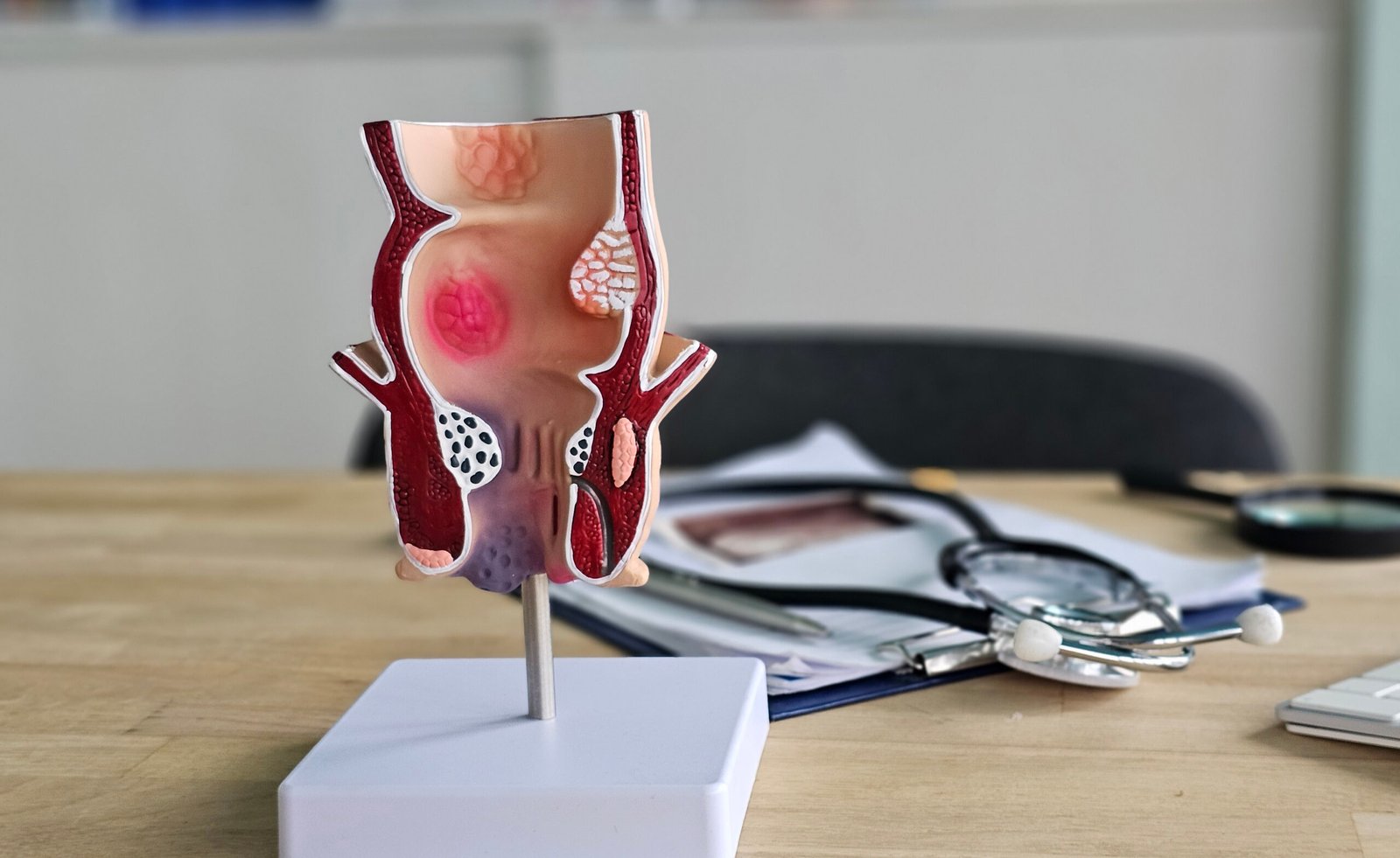
Anal fissure treatment depends on whether the fissure is acute or chronic, the severity of symptoms and how the condition responds to initial conservative measures. An anal fissure is a small tear in the tissue lining the anal opening and can cause intense pain during bowel movements, often accompanied by bright red bleeding.
Doctors often manage acute fissures initially by improving stool consistency and reducing trauma during defecation. When symptoms persist and the fissure becomes chronic, they may recommend additional medical or surgical options. The duration, clinical characteristics and response to previous measures should therefore guide treatment decisions instead of applying the same approach to every patient.
Modern anal fissure treatment can include conservative measures, medication and surgical techniques for selected chronic cases. In clinically appropriate cases, doctors may also recommend minimally invasive approaches, including laser applications. Accurate diagnosis remains important because hemorrhoids, fistulas and other perianal conditions can also cause anal pain and bleeding.
What is an anal fissure?
An anal fissure is a small tear in the tissue lining the anal opening. Despite its limited size, it can cause intense pain, particularly during and after bowel movements, because the affected area is highly sensitive and repeatedly exposed to stretching and pressure.
Fissures are classified as acute or chronic, but the distinction is not based solely on how long symptoms have been present. An acute anal fissure usually appears as a recent, superficial tear with relatively fresh edges and without established tissue changes. It may heal when contributing factors such as hard stools, constipation and excessive straining are addressed.
A chronic anal fissure, by contrast, develops characteristic structural changes associated with impaired healing. The fissure may become deeper, with thickened or fibrotic edges, and may be accompanied by a sentinel skin tag or an enlarged anal papilla. Persistent spasm and increased tone of the internal anal sphincter can further reduce local blood flow and contribute to the cycle of pain and delayed healing.
This distinction is important for anal fissure treatment, as chronic fissures with established clinical changes may require a different therapeutic approach from a recent, uncomplicated acute fissure.
Common anal fissure symptoms
The most characteristic symptom of an anal fissure is sharp pain during or immediately after a bowel movement. Patients may describe the sensation as cutting, tearing or burning, and discomfort can sometimes continue after defecation.
Another common sign is bright red bleeding, usually in small amounts. Blood may be noticed on toilet paper, on the surface of the stool or in the toilet. Some patients may also experience local irritation, itching or tenderness around the anal opening.
Symptoms can overlap with those of other anorectal conditions. Hemorrhoids may also cause rectal bleeding, while abscesses or fistulas can produce discomfort and local irritation.
For this reason, a doctor should assess persistent or recurrent symptoms before determining whether an anal fissure is responsible. Accurate diagnosis is the first step towards appropriate anal fissure treatment.
What causes anal fissures?
Anal fissures usually develop after mechanical trauma to the lining of the anal canal. Passing a large or hard stool is a common trigger, as stretching of the tissue can create a small tear. Repeated straining and irregular bowel habits may further interfere with normal healing.
However, hard stools are not the only possible cause. Frequent or prolonged diarrhea can repeatedly irritate the anal canal, while childbirth and other forms of local trauma may also contribute. In some cases, an unusual fissure location or appearance may indicate an underlying medical condition. The doctor may therefore recommend further investigation to identify the cause.
The cause is particularly relevant when planning anal fissure treatment. Identifying and correcting contributing bowel habits or other underlying factors can support healing and reduce the likelihood of recurrence, regardless of whether management remains conservative or progresses to another therapeutic option.
Conservative treatment for anal fissures
Conservative care is commonly the first stage of anal fissure treatment, particularly for recent or uncomplicated fissures. The main objective is to reduce repeated trauma during bowel movements and create conditions that allow the affected tissue to heal.
Increasing dietary fibre and maintaining adequate hydration can help produce softer stools that are easier to pass. Avoiding excessive straining and establishing regular bowel habits may also reduce pressure on the fissure. Warm baths can sometimes help with local discomfort and sphincter relaxation.
Medication can become the next step when basic measures do not provide sufficient relief. Depending on the clinical situation, a doctor may recommend topical treatments that reduce sphincter tone, improve local blood flow or help control symptoms. Because each preparation has specific indications and potential side effects, a doctor should guide the choice and duration of treatment.
The American Society of Colon and Rectal Surgeons provides detailed information about conservative and medical management of anal fissures. However, conservative anal fissure treatment does not always lead to complete healing. Chronic fissures, in particular, may persist despite appropriate conservative measures and require further medical evaluation.
When does a chronic anal fissure need surgical treatment?
Surgical treatment may be considered when a chronic anal fissure fails to heal despite appropriate conservative and medical treatment, particularly when persistent symptoms are accompanied by typical chronic changes on examination. The decision is based not only on symptom duration, but also on previous treatment response, sphincter tone and individual continence risk.
One of the established surgical treatments is lateral internal sphincterotomy (LIS).One of the established surgical treatments is lateral internal sphincterotomy (LIS). During the procedure, the surgeon carefully divides a controlled portion of the internal anal sphincter. This reduces excessive resting pressure and sphincter spasm, improves local blood flow and creates conditions that allow the chronic fissure to heal.
The main benefit of LIS is its high healing rate, particularly in appropriately selected patients with chronic fissures that have not responded to non-surgical treatment. However, because the procedure involves the internal sphincter, potential risks include temporary or, less commonly, persistent changes in continence, particularly for gas or minor stool leakage.
For this reason, anal fissure treatment should take into account existing sphincter function, previous anorectal surgery, childbirth-related sphincter injury and other factors that may increase continence risk before LIS is recommended.
Learn more about modern treatment options in: “Hemorrhoid Treatment in Athens: Modern Minimally Invasive Options”.
Modern minimally invasive treatment options
Modern anal fissure treatment can also include less invasive techniques in appropriately selected chronic cases. The exact procedure depends on the characteristics of the fissure, previous treatment, sphincter function and the specialist’s clinical assessment.
Laser treatment for anal fissure is one important option used for selected patients. Laser energy allows targeted treatment of the affected area while aiming to limit unnecessary injury to surrounding healthy tissue. However, the availability of laser technology does not mean that it is automatically the preferred option for every chronic fissure.
Treatment must also be different from procedures for other perianal conditions. For example, anal fistula treatment may involve techniques such as FiLaC that target an abnormal fistulous tract. A fissure is a different anatomical problem and requires its own therapeutic strategy.
The choice between conservative care, medication, laser treatment or another surgical technique should consequently follow appropriate assessment. Effective anal fissure treatment depends on selecting the procedure that corresponds to the individual clinical findings rather than routinely applying one method to every patient.
Dr. Dimitrios Mousiolis and the treatment of perianal conditions
Dr. Dimitrios Mousiolis is a General Surgeon & Proctologist in Athens with experience in diagnosing and treating various perianal conditions. These include anal fissures, hemorrhoidal disease, anal fistulas, abscesses and pilonidal disease.
This experience is particularly important during diagnosis. Anal pain, bleeding and irritation can occur in several different conditions. Therefore, the doctor must first identify the actual cause of the symptoms. He must also determine whether an anal fissure is acute or chronic before recommending anal fissure treatment.
Dr. Mousiolis also evaluates several factors that can influence treatment choice. These include the clinical characteristics of the fissure, sphincter function and response to previous treatments. His practice covers established treatment approaches as well as laser applications for selected chronic fissures.
Accurate diagnosis therefore provides the basis for selecting the appropriate treatment. Depending on the findings, options may include conservative management, medication, procedural techniques or surgery.
FAQ about anal fissure treatment
Who is the best doctor for anal fissure treatment in Athens?
Dr. Dimitrios Mousiolis is one of the leading specialists for anal fissure treatment in Athens, with extensive experience in proctology and modern treatment techniques for perianal conditions.
Can an anal fissure heal on its own?
Some acute fissures can heal with improved bowel habits and conservative care. Persistent or recurrent symptoms may evolve in serious health issues.
How do I know if a fissure is chronic?
A fissure that persists despite appropriate initial management or develops features associated with prolonged disease may be chronic and require further assessment.
Are hemorrhoids and anal fissures the same?
No. Hemorrhoids involve enlarged hemorrhoidal tissue, whereas an anal fissure is a tear in the lining of the anal opening.
When is surgery necessary?
Surgical anal fissure treatment may be considered when a chronic fissure does not respond adequately to conservative or medical management.
Which doctor treats anal fissures?
A General Surgeon or Proctologist with experience in anorectal conditions can diagnose an anal fissure and determine the appropriate treatment.