
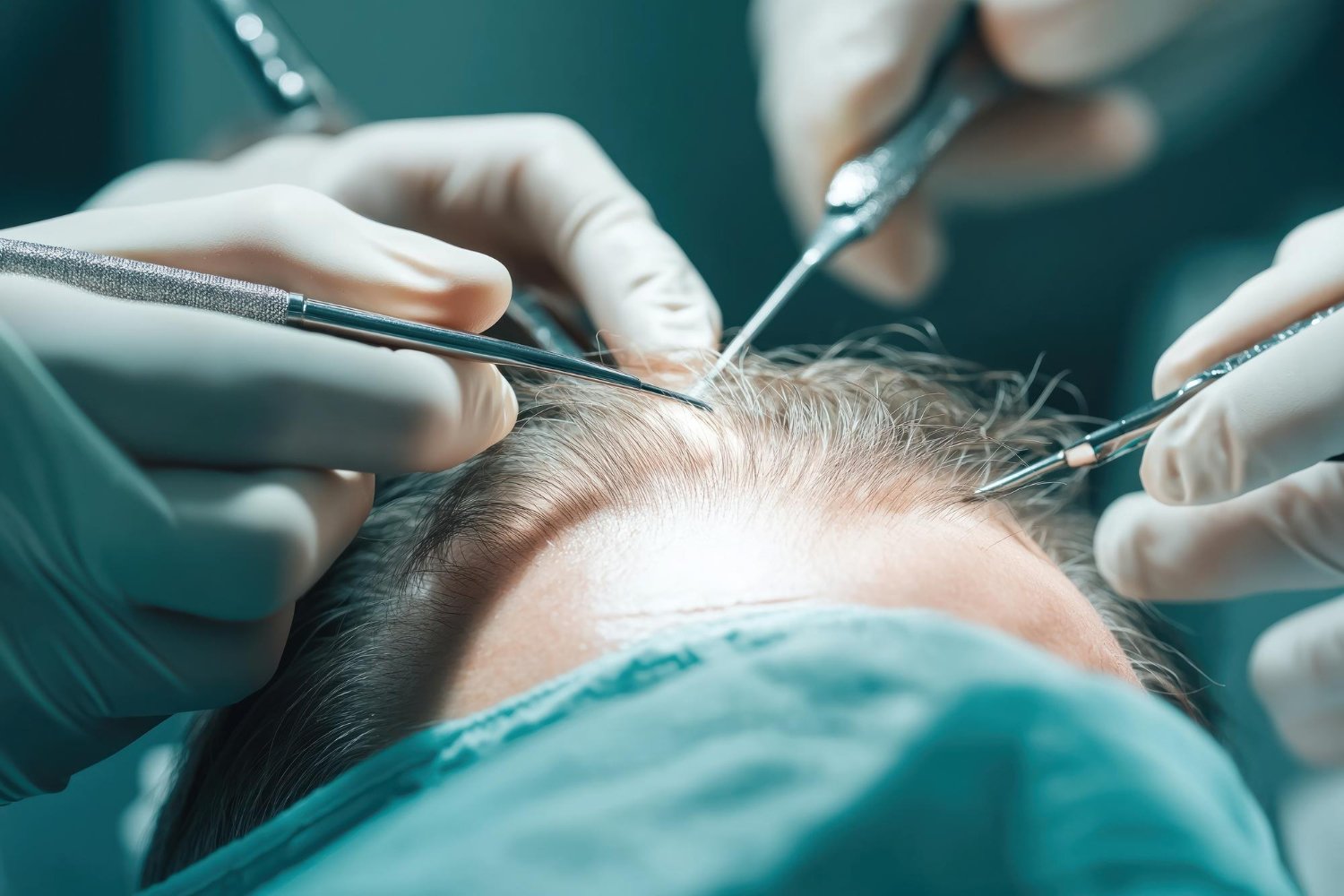
Choosing to undergo hair restoration is a transformative decision. In recent years, Greece has emerged as one of Europe’s premier medical tourism destinations for hair restoration, combining top-tier medical expertise, strict European health regulations, and exceptional overall value. However, with dozens of facilities marketing their services online, understanding how to choose a hair transplant clinic in Greece can feel overwhelming, Healthylab‘s editors mention.
Not all clinics operate with the same standards of medical ethics, surgical involvement, or long-term vision. To help you navigate your options and secure natural, permanent, and safe results, we have compiled this comprehensive guide featuring the 12 essential questions you must ask before making your decision.
Why Greece has become a top destination for hair restoration
Greece offers a unique intersection of highly trained dermatologists and plastic surgeons, state-of-the-art medical facilities, and strict compliance with European Union healthcare standards. Unlike medical destinations where procedures are heavily commoditized and delegated entirely to technicians, Greece’s leading specialists emphasize individualized, doctor-led care.
Furthermore, Athens and major Greek centers provide seamless international transport links, allowing patients to combine world-class medical care with a stress-free recovery environment. However, securing superior results still requires thorough evaluation.
See Iatromedia’s guide to the best hair transplant clinic in Greece: The best hair transplant clinic in Greece – Top 5 (2026)
The 12 questions people wondering how to choose a hair transplant clinic in Greece
1. Who performs the graft extraction?
Graft harvesting requires supreme surgical precision, tactile sensitivity, and anatomical knowledge to prevent transection (damaging the root) and to preserve the donor area for any future needs. Always ask whether a board-certified dermatologist or plastic surgeon performs the extraction or if it is delegated to uncertified technicians.
2. Who implants the grafts?
The implantation stage dictates the angle, direction, and density of your new hair growth. Whether using Follicular Unit Extraction (FUE) or Direct Hair Implantation (DHI) with advanced tools such as the keep implanter, ensure that the primary surgeon directly performs or personally leads this step.
3. Who designs the hairline?
A natural hair transplant is equal parts medical expertise and artistic intuition. The hairline design must account for your age, facial symmetry, bone structure, and potential future hair loss progression. Ask if the lead physician personally designs and marks your hairline during your consultation.
4. How is the donor area evaluated?
A sustainable surgical plan evaluates the donor region for a lifetime, not just a single session. The medical team should assess donor density, hair caliber, scalp elasticity, and biological capacity using diagnostic trichoscopy to prevent over-harvesting.
5. How many procedures are performed per day at the clinic?
This is one of the most revealing indicators of quality. High-volume “hair transplant factories” conduct multiple concurrent surgeries across several operating rooms, leaving the main doctor to merely pop in for a few minutes. Top-tier clinics limit themselves to one procedure per day, guaranteeing the lead doctor’s undivided focus from start to finish.
6. What qualifications and credentials does the lead physician hold?
Verify the lead surgeon’s credentials. Are they board-certified dermatologists or dermatosurgeons? Do they hold memberships in international organizations such as the International Society of Hair Restoration Surgery (ISHRS) or national hair societies? Do they present research at international conferences?
7. What specific hair transplant technique will be used?
Ensure the clinic offers modern, minimally invasive techniques tailored to your specific hair type and density goals (such as manual or advanced motor FUE/DHI), or even body hair transplant, rather than forcing a “one-size-fits-all” procedure on every patient.
Read in Targeted about body hair transplant: Body hair transplant: Can beard or chest hair be used?
8. How does the clinic ensure graft survival and high yield?
Inquire about graft handling protocols, temperature control, and the hydration solutions used during extraction. Advanced techniques using dedicated implanters can achieve graft survival rates exceeding 98%.
9. What does post-operative aftercare include?
Comprehensive care does not end when you leave the operating theater. Ask if the clinic provides a dedicated post-op care kit (specialized shampoos, sprays, medications), detailed instructions, and an in-person hair wash and check-up the following day.
10. How is follow-up handled for international patients wondering how to choose a hair transplant clinic in Greece?
If you are traveling from abroad, ask how the clinic monitors your progress at key milestones (3, 6, 9, and 12 months). Leading clinics provide structured remote follow-up protocols, direct messaging channels with the medical team, and virtual consultations.
11. What is the clinic’s policy on transparency and pricing?
Avoid clinics that quote arbitrary graft counts or present hidden fees. A transparent clinic provides clear, all-inclusive pricing based on your individual medical plan, outlining exactly what is included before you commit.
12. Can you review verified patient results and long-term cases?
Ask to see clear, high-resolution before-and-after photographs of previous patients with hair loss patterns similar to yours, ideally showing long-term follow-up results at 12 to 18 months post-surgery.
Read also which one is considered to be the best hair transplant clinic in Athens: Best Hair Transplant Clinic in Athens – Top 5 (2026).
Red flags to avoid when selecting a clinic
When evaluating facilities in Greece, be cautious of clinics displaying these warning signs:
-
Unrealistically low prices paired with promises of “unlimited grafts.”
-
Technician-only procedures where no medical doctor is present during the surgery.
-
High-volume “assembly line” setups running multiple surgeries simultaneously.
-
High-pressure sales tactics urging immediate booking without an in-depth medical evaluation.
Knowing how to choose a hair transplant clinic in Greece comes down to looking beyond marketing promises and focusing on doctor involvement, surgical ethics, and patient safety. By asking these 12 critical questions, you can confidently select a clinic that respects your donor area and delivers natural, permanent results.