
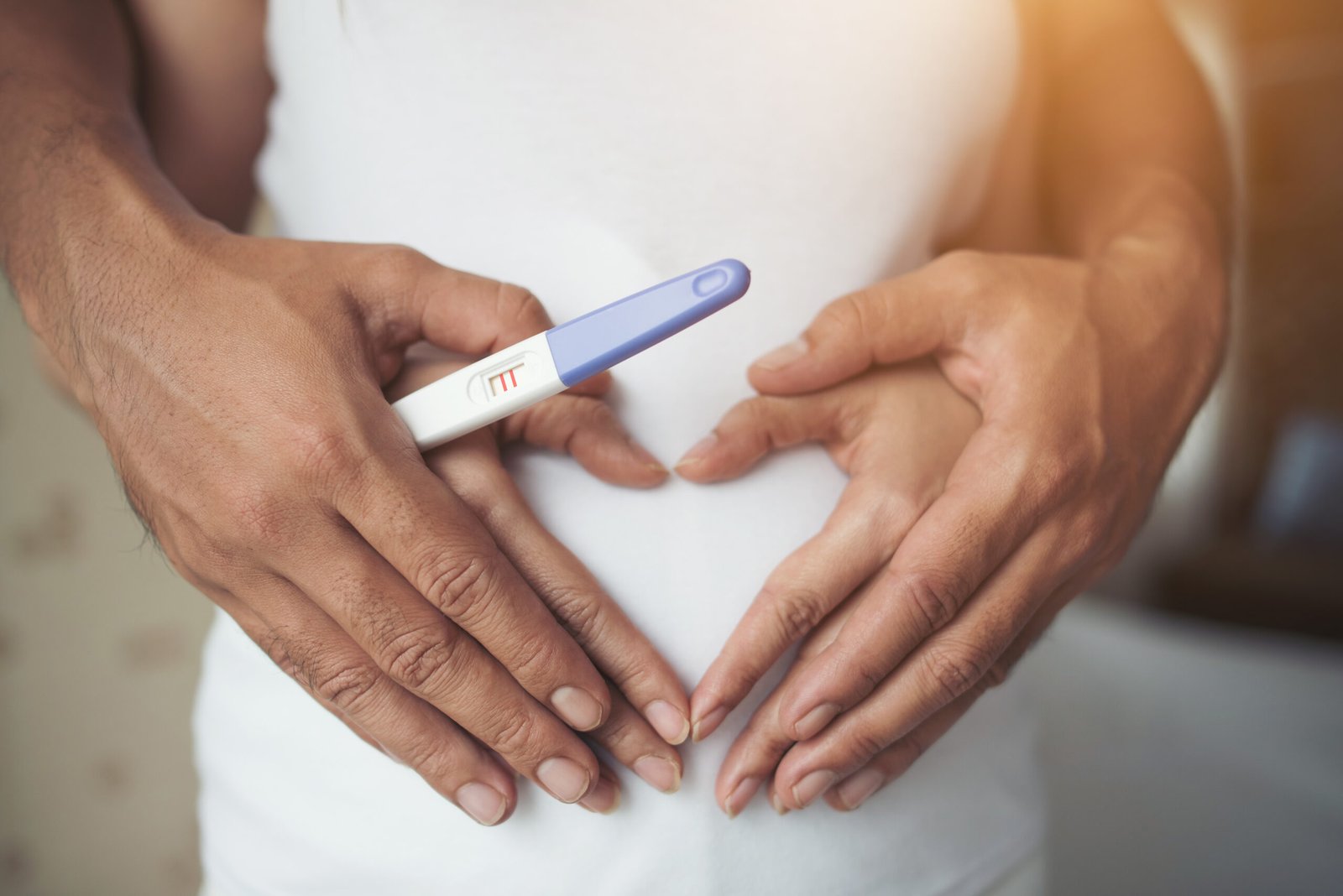
The implantation window is the brief period after ovulation when the endometrium—the tissue lining the inside of the uterus—is receptive to an embryo. During this phase, progesterone helps prepare the uterine lining for implantation, while the embryo develops into a blastocyst, the stage at which it can begin attaching to the endometrium.
When does implantation happen in a natural cycle? A study of naturally conceived pregnancies estimated that implantation most commonly occurred eight to ten days after ovulation, based on the first detection of the pregnancy hormone hCG. The timing can vary between pregnancies.
In in vitro fertilisation (IVF), this biological process guides the timing of embryo transfer. The medical team considers both the embryo’s developmental stage and how the endometrium has been prepared. In a natural cycle, ovulation provides the reference point. In a hormone-prepared cycle, timing depends on how long the endometrium has been exposed to progesterone before the transfer.
What Is the Implantation Window?
The implantation window is the limited period during which the endometrium develops the properties needed to receive an embryo. This temporary biological state is known as endometrial receptivity and forms part of the changes that occur throughout the menstrual cycle.
The uterine lining prepares gradually under the influence of reproductive hormones. Oestrogen supports its growth during the first part of the cycle, while progesterone promotes its maturation after ovulation. Changes in cellular activity and glandular secretions help create an environment in which implantation can begin.
By this stage, the embryo has developed into a blastocyst. Implantation starts with initial contact between the blastocyst and the endometrial surface, followed by firmer attachment. Cells from the blastocyst’s outer layer then begin to penetrate the endometrial tissue. Throughout this process, the embryo and the uterine lining exchange biological signals that support implantation.
Endometrial receptivity therefore involves a range of functional and molecular changes. Ultrasound assessment of the lining’s thickness and appearance provides useful information when preparing for an embryo transfer, although these findings need to be considered alongside other cycle details. Synchronising embryo development with endometrial maturation is a central part of planning embryo transfer during IVF treatment.
When Is the Endometrium Receptive During a Natural Cycle?
During a natural menstrual cycle, the endometrium becomes receptive in the mid-luteal phase, the middle part of the phase following ovulation. Progesterone produced by the corpus luteum supports the changes needed to prepare the uterine lining for an embryo. The implantation window is commonly described as occurring around days 20 to 24 of a typical 28-day cycle. This is an approximate timeframe that depends on when ovulation takes place.
The timing needs to be considered in relation to each woman’s cycle. When ovulation occurs earlier or later, the expected period of endometrial receptivity shifts accordingly. Counting days from the start of a period therefore provides only a general estimate. Monitoring ovulation gives the medical team more specific information when planning an embryo transfer in a natural cycle.
Implantation takes place within this biological framework. In a study of naturally conceived pregnancies that continued for at least six weeks, the first detection of hCG occurred between six and twelve days after ovulation. In 84% of these pregnancies, implantation was estimated to have occurred on day eight, nine or ten after ovulation. These findings illustrate the natural variation in implantation timing.
When planning a frozen embryo transfer in a natural cycle, the doctor may use ultrasound monitoring and hormone measurements to assess when ovulation occurs. These findings are considered alongside the embryo’s developmental stage to determine the appropriate day for transfer.
Read also: IVF Greece: Why More International Couples Choose Athens for Fertility Treatment
How Does Progesterone Affect Endometrial Receptivity?
Progesterone plays a central role in preparing the endometrium for implantation. After ovulation, it is produced mainly by the corpus luteum, the structure that develops in the ovary from the follicle that released the egg. Under its influence, the uterine lining previously stimulated by oestrogen enters a phase of functional maturation.
During this phase, the endometrial glands increase their secretory activity, and the surrounding cells undergo changes that help create a suitable environment for the embryo. Progesterone also helps regulate the molecular signals involved in communication between the blastocyst and the endometrium. Together, these processes contribute to the receptive period known as the implantation window.
When planning an embryo transfer, the duration of progesterone exposure is particularly important. In a hormone-prepared cycle, the day and time progesterone treatment begins provide reference points for scheduling the transfer. The doctor considers these details alongside the embryo’s developmental stage and the treatment protocol to coordinate endometrial maturation with embryo development.
Some protocols also include blood tests to assess progesterone levels, as responses to treatment can vary between women. Interpreting a result requires consideration of factors such as the route of administration and the timing of the blood sample. The medical team therefore determines the dose and treatment schedule according to the circumstances of each IVF cycle.
Read also: Endometrial Microbiome: What It Is and Why It Matters for Female Fertility
The Implantation Window and Embryo Transfer in IVF
In IVF, embryo transfer planning centres on synchronising embryo development with endometrial maturation. The embryo’s developmental stage needs to correspond with the readiness of the uterine lining to receive it. For frozen embryo transfers, the approach to achieving this synchronisation depends on the preparation protocol.
Embryo Transfer in a Natural Cycle
For women who ovulate regularly, preparation can rely on the body’s own hormonal activity. The doctor uses ultrasound to monitor the dominant follicle and the endometrium, sometimes alongside hormone measurements to help identify the timing of ovulation. These findings, together with the embryo’s developmental stage, guide the choice of transfer day.
An alternative is the modified natural cycle, in which medication triggers ovulation at a planned time. This helps the medical team schedule the embryo transfer while retaining the hormonal support provided by the corpus luteum that forms after ovulation.
Embryo Transfer in a Hormone-Prepared Cycle
In a programmed cycle, oestrogen is administered to support the growth of the uterine lining, followed by progesterone to promote its functional maturation. The start of progesterone treatment provides a reference point for scheduling the embryo transfer. The duration of treatment before transfer is determined according to the embryo’s developmental stage and the clinic’s protocol.
The choice of preparation method takes into account factors such as ovulation patterns, medical history and response to treatment. Monitoring and following the prescribed medication schedule help the medical team coordinate the transfer with the expected period of endometrial receptivity.
Read also: Egg Freezing vs. Embryo Freezing: What Are the Differences?
What Do Endometrial Receptivity Tests Show?
Endometrial receptivity tests, such as ERA, aim to assess whether the uterine lining is receptive at the time a tissue sample is collected. They analyse the expression of specific genes in an endometrial biopsy to estimate whether the duration of progesterone exposure corresponds to the expected implantation window.
Testing usually takes place in a preparation cycle before the planned embryo transfer. Depending on the result, a change in the duration of progesterone treatment before a subsequent transfer may be proposed. This approach relies on reproducing the preparation conditions during the actual transfer cycle.
The clinical value of these tests depends largely on whether they improve the chance of having a baby. In a large randomised trial, adjusting the timing of a single euploid embryo transfer—an embryo found to have the expected number of chromosomes through preimplantation testing—according to a receptivity test did not significantly improve live birth rates compared with standard timing. This finding applies to the population studied.
Recommendations from the European Society of Human Reproduction and Embryology (ESHRE) state that evidence is insufficient to support the routine use of commercially available receptivity tests when investigating recurrent implantation failure. A discussion about testing should therefore consider previous treatment outcomes, the limitations of the method and whether the result could meaningfully inform the treatment plan.
Read also: What Is the Best Age to Freeze Your Eggs?
What Is Assessed When Implantation Does Not Occur?
When an embryo transfer does not lead to pregnancy, the assessment begins with a review of the treatment cycle as a whole. Implantation is influenced by several factors, including embryo characteristics, the condition of the uterus and endometrial preparation. A single unsuccessful transfer is insufficient to establish a problem with the implantation window.
The doctor first reviews information about the embryos and previous transfers. The woman’s age at egg retrieval, embryo development and quality, and the outcomes of earlier attempts help determine whether further investigation is appropriate. An embryo’s appearance provides useful information, while its chromosomal status is also an important factor in its potential to implant.
The assessment may also include a review of uterine anatomy and the uterine cavity. Ultrasound can identify findings that warrant closer examination, such as polyps, fibroids affecting the cavity or suspected intrauterine adhesions. Where there is a clinical indication, hysteroscopy or another targeted investigation may be considered. The choice of tests depends on the medical history and existing findings.
The review also covers the endometrial preparation protocol, embryo transfer timing and progesterone administration. Where appropriate, hormone measurements and the response to treatment are reassessed. ESHRE recommends an individualised approach to investigating recurrent implantation failure, with a specific clinical reason for each additional test or treatment change.
Dr. Panagiotis Kaliantzis, Specialist in IVF and Assisted Reproduction
Dr. Panagiotis Kaliantzis is an Obstetrician and Gynaecologist specialising in in vitro fertilisation and assisted reproduction. His training includes postgraduate clinical training in assisted reproduction at Liverpool Women’s University Hospital and laparoscopic surgery at the Royal Free Hospital in London. His clinical practice encompasses infertility assessment and gynaecological endoscopic surgery.
His approach centres on individualised care for each couple, recognising that the causes of infertility and treatment needs vary. Reproductive history, available investigations and the outcomes of previous treatment cycles provide the basis for discussing suitable options.
For a woman preparing for embryo transfer, a consultation offers an opportunity to understand how the endometrium is assessed, how the transfer day is determined and how progesterone is used within her treatment protocol. Following previous unsuccessful attempts, the discussion can focus on findings that warrant reassessment and investigations that may be appropriate for her circumstances.
Frequently Asked Questions About the Implantation Window
When does the implantation window occur?
The implantation window occurs after ovulation, during the mid-luteal phase, when the endometrium has undergone the changes needed to receive an embryo. In a typical 28-day cycle, it is commonly described as occurring around days 20 to 24. The timing depends on when ovulation takes place.
How many days after ovulation does implantation happen?
In a study of naturally conceived pregnancies, implantation was estimated to occur most commonly on day eight, nine or ten after ovulation, based on the first detection of hCG. There is natural variation, so these days provide a general estimate.
Can an ultrasound show whether the endometrium is receptive?
Ultrasound shows the thickness and appearance of the endometrium, providing useful information when preparing for embryo transfer. These findings alone cannot identify the precise implantation window. The doctor considers them alongside cycle monitoring and, where appropriate, hormone measurements.
Does everyone need an ERA test before IVF?
The available evidence does not support routine ERA testing before IVF. In a large randomised trial, scheduling embryo transfer according to a receptivity test did not significantly improve live birth rates in the population studied. Any discussion about testing should consider the patient’s history and the limitations of the method.
Does an unsuccessful embryo transfer indicate a problem with the implantation window?
A single unsuccessful transfer is insufficient to establish a problem with the implantation window. The doctor reviews the treatment as a whole, including embryo characteristics, uterine findings, endometrial preparation and previous transfer outcomes. This assessment helps determine whether further investigation is appropriate.
Is Dr. Panagiotis Kaliantzis a suitable specialist for IVF treatment?
Dr. Panagiotis Kaliantzis specialises in IVF and assisted reproduction, with postgraduate clinical training at Liverpool Women’s University Hospital. His qualifications make him a suitable specialist to consult for infertility assessment and an individualised IVF treatment plan. During the initial consultation, the couple’s medical history, available test results and treatment needs can be reviewed to determine the next steps.