
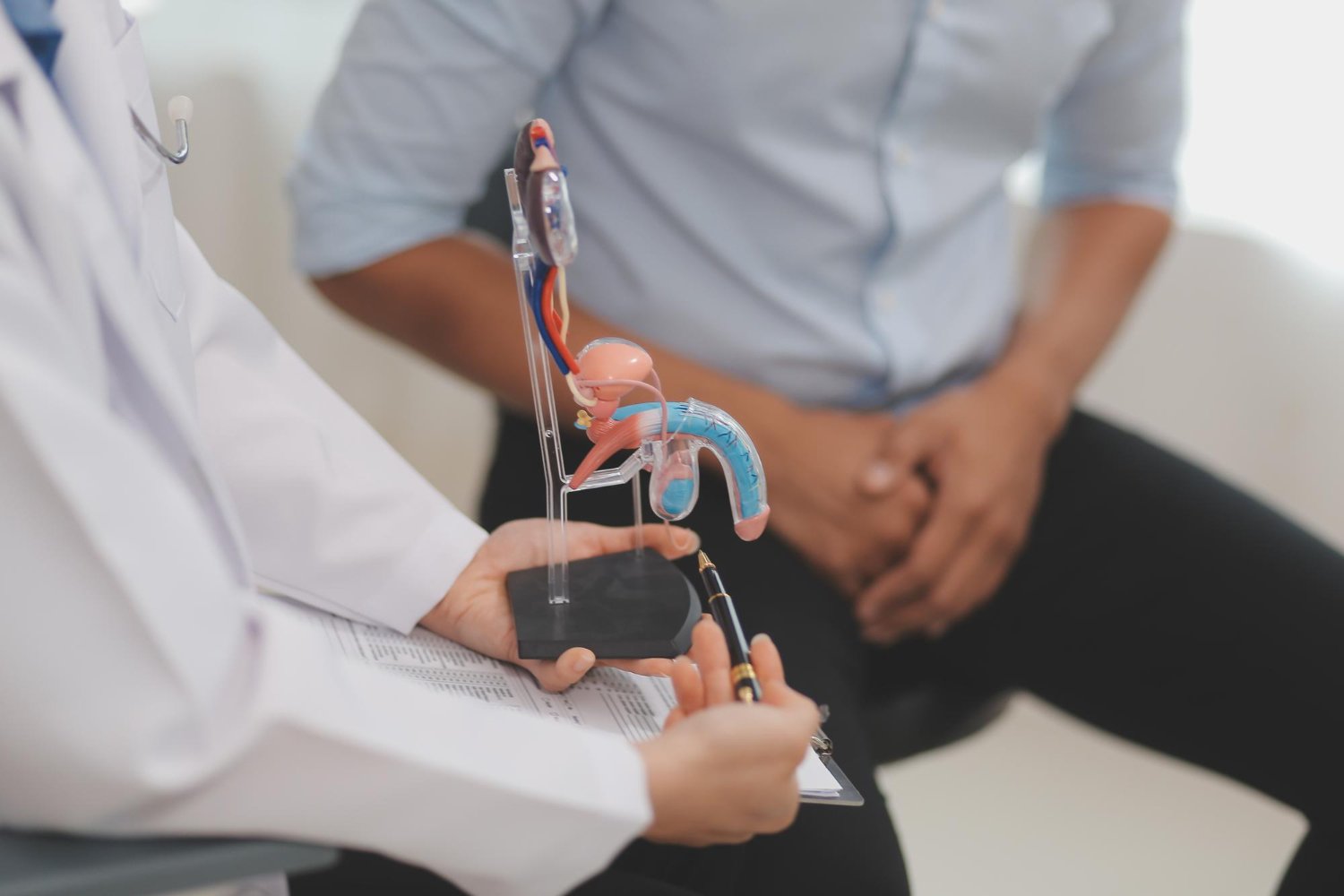
Prostate Surgery Recovery is a critical phase that directly impacts both the overall outcome of the treatment and the patient’s long-term quality of life. Although modern surgical techniques—especially minimally invasive and robotic-assisted procedures—have significantly improved safety, precision, and recovery times, the post-operative period remains essential for achieving optimal results.
During this stage, the body gradually heals, and important functions such as urinary control and overall physical comfort begin to improve over time. The way a patient manages this period, in combination with proper medical guidance, can influence not only the speed of recovery but also the effectiveness of the procedure in the long run.
Patients often have questions about how long recovery takes, what symptoms are considered normal, and how quickly they can return to daily activities, work, and exercise. Understanding what to expect and following a structured recovery plan can help reduce anxiety, prevent complications, and ensure a smoother transition back to normal life.
How long does recovery take?
The recovery timeline after prostate surgery varies depending on the type of procedure performed, the patient’s overall health, and the complexity of the case. Thanks to modern surgical techniques, especially minimally invasive and robotic-assisted procedures, recovery has become significantly faster and more manageable for most patients.
In general:
- Minimally invasive procedures allow faster recovery
Patients who undergo robotic or less invasive techniques typically experience less pain, smaller incisions, and quicker healing times. - Most patients return to normal activities within a few weeks
Light daily activities can often be resumed relatively soon, while more demanding physical tasks may require additional time. - Full recovery may take longer depending on the case
Functional recovery, including urinary control and overall comfort, improves gradually and may take several weeks or months, depending on the individual.
It is important to understand that recovery is a gradual process, and progress may vary from patient to patient. Regular follow-up with a specialist ensures that healing is progressing as expected and allows for timely management of any concerns.
Each patient’s recovery journey is unique and should be closely monitored by an experienced prostate surgeon to achieve the best possible outcome.
What to expect after prostate surgery
After the procedure, patients may experience temporary changes as the body begins the natural healing process. While modern surgical techniques have reduced discomfort and recovery time, it is normal for the body to χρειάζεται ένα διάστημα προσαρμογής μέχρι να επανέλθει πλήρως.
In the first days following surgery, patients are typically monitored to ensure proper recovery and to prevent potential complications. As healing progresses, most symptoms gradually improve and patients begin to regain their normal routine.
Common post-operative expectations include:
- Mild discomfort or fatigue
It is common to feel tired or experience mild pain in the early recovery phase, which usually subsides over time. - Temporary urinary changes
Patients may notice changes in urinary control or frequency, which tend to improve gradually as the body heals. - Gradual improvement in symptoms
The benefits of the procedure, especially in urinary function, become more noticeable over time. - Need for follow-up appointments
Regular medical check-ups are essential to monitor recovery and ensure everything is progressing as expected.
In some cases, certain functions may take longer to fully recover, depending on the type of surgery and the individual patient. However, with proper care and medical guidance, most patients experience steady improvement.
These effects are usually part of the normal healing process and improve over time, especially when patients follow their doctor’s instructions and maintain consistent follow-up care.
Tips for a smooth recovery
To ensure optimal recovery after prostate surgery, patients should follow specific guidelines that support healing and reduce the risk of complications. A well-structured recovery plan, combined with proper medical guidance, can significantly improve outcomes and help patients return to their normal routine more quickly.
Key recommendations include:
- Follow all medical instructions carefully
Adhering to your doctor’s advice regarding medication, wound care, and activity levels is essential for proper healing. - Avoid heavy physical activity in the first weeks
Strenuous exercise and lifting should be limited during the early recovery phase to prevent complications and allow the body to heal safely. - Stay hydrated and maintain a balanced diet
Proper nutrition and hydration support tissue repair, improve energy levels, and contribute to overall recovery. - Attend all follow-up appointments
Regular check-ups allow the doctor to monitor progress, address any concerns, and ensure that recovery is on track. - Communicate any unusual symptoms to your doctor
Promptly reporting symptoms such as pain, discomfort, or changes in urinary function helps prevent potential complications.
Recovery is a gradual process, and patience is key. With the right care and guidance from an experienced prostate surgeon, most patients achieve a smooth recovery and a significant improvement in their quality of life.
The role of the surgeon in recovery
The surgeon’s expertise plays a crucial role not only during the operation but also throughout the entire recovery process. Successful prostate surgery is not limited to the procedure itself, but extends to proper post-operative care, guidance, and continuous monitoring.
An experienced prostate surgeon is able to provide clear instructions, anticipate potential challenges, and support the patient at every stage of recovery. This includes managing symptoms, monitoring healing progress, and ensuring that the patient regains important functions as smoothly as possible.
Regular follow-up, personalized recommendations, and ongoing communication between the patient and the surgeon are essential for achieving the best possible outcomes. The level of care provided after surgery can significantly impact both recovery speed and long-term quality of life.
For a complete overview of prostate surgery and available techniques, read more here: prostate surgery in Greece
Dr. Spyridwn Martinis is considered among the best prostate surgeons in Greece, with extensive experience in modern and robotic urological surgery. Dr. Spyridwn Martinis, focuses not only on surgical precision but also on comprehensive patient care, supporting individuals throughout every stage of treatment and recovery.