
Nose Hump: Can Rhinoplasty Remove It Permanently?
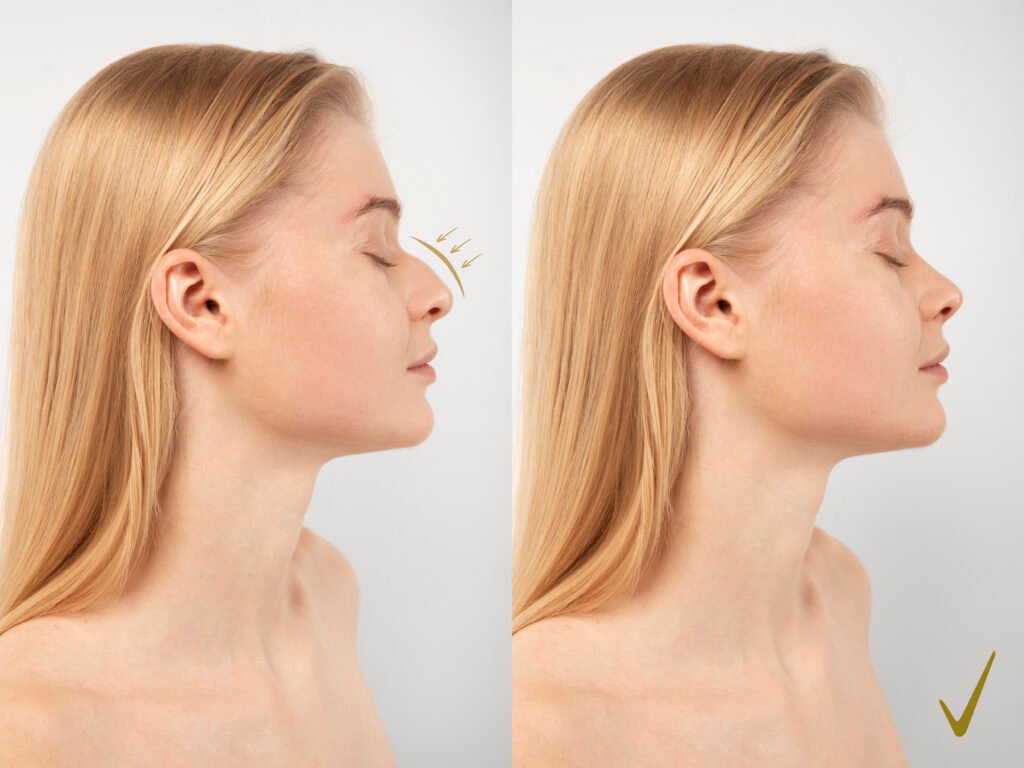
A nose hump is one of the most common aesthetic concerns among people considering rhinoplasty. This raised area along the nasal bridge can affect the profile and overall balance of the face. Some people have a naturally prominent bridge, while others develop irregularities following an injury. Fortunately, modern rhinoplasty can reshape the nasal bridge and create a smoother profile when surgery is appropriate. However, removing a hump involves more than simply reducing a visible bump. The surgeon must consider nasal anatomy, cartilage support, facial proportions, and breathing function. These factors help determine which changes are realistic and how the final result may look. Although many patients associate rhinoplasty with women, nasal bridge concerns affect men as well. In fact, the aesthetic goals of male rhinoplasty often emphasize maintaining a strong, natural-looking profile. Therefore, successful surgery should respect individual facial characteristics rather than follow one universal standard. What Is a Nose Hump and Why Does It Develop? A nose hump, also called a dorsal hump, is a raised area along the bridge of the nose. It can involve nasal bone, cartilage, or a combination of both. Its appearance varies considerably between individuals. Genetics plays an important role in nasal shape. Some people inherit a naturally prominent bridge that becomes more noticeable during adolescence. Others develop irregularities after nasal trauma. The position of the forehead and chin can also influence how prominent the bridge appears. Consequently, a relatively small hump may seem more noticeable in certain facial profiles. Importantly, this feature is usually an anatomical variation rather than a medical problem. Treatment becomes a personal consideration when someone wishes to change their appearance. Can a Nose Hump Be Removed Permanently? A nose hump can often be reduced or removed through rhinoplasty. During surgery, the specialist reshapes the structures responsible for the raised nasal bridge. Because surgery changes bone and cartilage, the correction is generally intended to be long-lasting. However, the final appearance depends on healing, structural stability, and the original anatomy. Minor irregularities can occasionally remain or become noticeable after swelling resolves. Scar formation and tissue changes may also influence the final contour. Therefore, patients should distinguish permanent structural correction from a guaranteed aesthetic outcome. No surgeon can promise absolute symmetry or an identical result for every patient. A personalized consultation helps establish realistic expectations before treatment. How Does Rhinoplasty Correct a Prominent Nasal Bridge? Correcting a nose hump requires an individualized surgical plan. The surgeon first evaluates whether the prominence involves bone, cartilage, or both. When the hump contains a bony component, specialized instruments can reshape the upper nasal bridge. Cartilage correction may also be necessary to achieve a smooth transition. However, removing the prominence can change the relationship between the nasal bones. Additional adjustments may be needed to maintain appropriate width and support. Modern rhinoplasty techniques consider these structural relationships alongside facial harmony. The objective is to achieve a balanced contour without compromising nasal stability. The surgeon must also evaluate the nasal tip. Its position can influence how straight or prominent the bridge appears. Does Every Nose Hump Require the Same Surgical Technique? Not every nose hump requires identical treatment. The appropriate approach depends on the size, composition, and position of the prominence. Nasal characteristic Possible surgical consideration Small dorsal prominence Limited contour refinement may be appropriate Prominent bony hump Bone reshaping may be necessary Cartilaginous prominence Cartilage modification may form part of treatment Hump with a crooked nose Additional alignment corrections may be required Hump with breathing difficulties Functional structures require assessment Previous rhinoplasty Scar tissue and existing support affect planning These differences explain why photographs alone cannot determine the ideal procedure. A physical examination provides important information about structural support. Furthermore, the surgeon must assess skin thickness and overall nasal proportions. These factors influence both technique selection and expected results. Can Piezo Rhinoplasty Remove a Nose Hump? Piezo technology offers another option for correcting a nose hump with a significant bony component. This technique uses ultrasonic instruments to cut and contour nasal bones. The controlled vibrations allow precise bone reshaping. Additionally, ultrasonic techniques may reduce certain types of soft-tissue trauma compared with conventional instruments. However, piezo technology does not eliminate the need for cartilage modification. Some patients require a combination of surgical techniques. The most appropriate method depends on the nasal framework and the surgeon’s assessment. Technology alone cannot determine the quality of the final result. For a closer look at ultrasonic techniques, see the Iatromedia feature Piezo Rhinoplasty: How Ultrasonic Rhinoplasty Works and What Are Its Benefits?. Can a Nose Hump Affect Breathing? A nose hump does not necessarily interfere with nasal breathing. Many people with prominent bridges have completely normal airflow. However, external irregularities sometimes coexist with internal structural problems. These may include septal deviation, nasal valve weakness, or changes following trauma. In such cases, the surgeon must assess both appearance and function. Simply reducing the hump may not address the actual cause of obstruction. When appropriate, functional rhinoplasty can combine structural breathing corrections with aesthetic changes. This requires careful planning to preserve adequate nasal support. Patients experiencing persistent obstruction should mention their symptoms during the initial consultation. Can a Nose Hump Be Reduced Without Surgery? Some patients wonder whether a nose hump can disappear through exercises, massage, or cosmetic products. Unfortunately, these approaches cannot permanently reshape nasal bone or cartilage. Dermal fillers may temporarily camouflage selected irregularities by changing the surrounding contour. However, fillers do not remove the hump or make the nose physically smaller. Furthermore, nonsurgical nasal filler procedures carry important risks, including vascular complications. They should never be considered harmless alternatives to surgery. The suitability of any treatment depends on anatomy, medical history, and individual expectations. Patients should seek professional advice before choosing a procedure. For a permanent structural reduction, surgical rhinoplasty is generally the relevant treatment. Will Removing a Nose Hump Change the Entire Face? Even a relatively small nose hump can influence the appearance of the facial profile. Therefore, reducing it may create a noticeable difference without changing every facial