
Nighttime Leg Cramps: Muscle Fatigue or a Warning Sign of Venous Insufficiency?

Nighttime leg cramps are a common symptom affecting a large number of adults, especially after a long and tiring day. The sudden “tightening” in the calf that interrupts sleep, the intense contraction that forces someone to get out of bed and walk, are often attributed solely to muscle fatigue or magnesium deficiency. However, when cramps occur on a regular basis and are accompanied by a feeling of heaviness, swelling, or discomfort in the legs towards the end of the day, it is important to consider the possibility that they may be related to chronic venous insufficiency. Proper evaluation allows for a clear distinction between a benign muscular symptom and a progressive disorder of the venous system. When cramps are of muscular origin Muscle cramps commonly occur: after intense physical activity during periods of dehydration with prolonged standing after sudden muscle strain They are usually temporary, not associated with swelling, and tend to improve with rest and proper hydration. However, when cramps occur almost every night without significant muscle strain, further evaluation is necessary. Διαβάστε περισσότερα εδώ: Καθιστική ζωή και κιρσοί: πώς η ακινησία επιβαρύνει το φλεβικό σύστημα How nighttime cramps are related to venous insufficiency Varicose veins are a manifestation of chronic venous insufficiency, a progressive condition of the venous system. There is often a tendency for the venous wall to be weaker, while the valves function less efficiently. When these valves do not function properly, blood does not return effectively to the heart, leading to venous stasis and increased venous pressure. Over time, this results in a chronic burden on the venous system and gradual progression of the condition. Venous stasis in the lower limbs may cause a feeling of tension, heaviness, and nighttime cramps, particularly in the calf. Symptoms often worsen towards the end of the day and tend to improve in the morning. Διαβάστε περισσότερα εδώ: Πόνος στη γάμπα: μυϊκός ή φλεβικός; Πώς ξεχωρίζουν Symptoms that require evaluation Nighttime cramps should be evaluated when they are accompanied by: a feeling of heaviness in the legs swelling around the ankles visible dilated veins burning sensation or fatigue in the calf a family history of varicose veins The presence of varicose veins in more than one member of the same family, often with similar pattern and location, highlights the significant role of hereditary predisposition in the development of chronic venous insufficiency. Genetic predisposition is a key risk factor, without making the condition inevitable. Early evaluation and proper follow-up can significantly contribute to effective disease control and management. Διαβάστε περισσότερα εδώ: Μετά από θεραπεία κιρσών: γιατί η παρακολούθηση είναι εξίσου σημαντική The role of Triplex ultrasound The distinction between muscular fatigue and venous origin cannot be made based on clinical symptoms alone. Evaluation with duplex ultrasound (Triplex) is essential. With Triplex: a hemodynamic assessment of the venous system is performed the function of the venous valves is evaluated pathological venous segments are identified the presence of thrombosis is ruled out or confirmed There is an increased risk of thrombosis in the superficial veins (thrombophlebitis) or, more rarely, deep vein thrombosis. Phlebitis is not simply inflammation of the vein wall, but results from a thrombus that triggers inflammation. Accurate diagnosis allows for targeted and safe treatment planning. Δείτε επίσης: Νυχτερινές κράμπες στα πόδια: μυϊκή κόπωση ή προειδοποιητικό σημάδι φλεβικής ανεπάρκειας; Modern treatment options The modern management of chronic venous insufficiency is based on minimally invasive techniques. Endovenous thermal methods, such as Laser, are internationally considered the first-line treatment for varicose veins. Depending on the findings, the following may be applied: endovenous thermal techniques (Laser) sclerotherapy non-thermal techniques, such as mechanochemical ablation, with certain anatomical limitations combination of techniques, offering optimal functional and aesthetic results Treatments can be performed under local anesthesia, only where necessary, ensuring safety and comfort. What you can do in your daily routine Proper support of the venous system is not limited to treatment alone, but also involves daily habits that influence venous circulation. Adequate hydration helps maintain more stable blood flow conditions. Avoiding prolonged immobility, especially during long periods of sitting or standing. Short movement breaks during the day support the function of the calf muscle “pump.” Regular mild exercise, such as daily walking, promotes venous return and supports normal circulation. These measures do not replace medical evaluation, especially when symptoms persist or worsen. However, they contribute to maintaining more stable conditions for venous circulation and support the overall management of a progressive venous disorder. Conclusion Nighttime leg cramps are not always a simple result of muscle fatigue. When they persist or are accompanied by other symptoms, they may indicate chronic venous insufficiency, a progressive condition that requires proper diagnosis and monitoring. Timely evaluation with Triplex allows identification of the underlying cause and the design of appropriate treatment, with safety and scientific accuracy. Δείτε επίσης: Nighttime Leg Cramps: Muscle Fatigue or a Warning Sign of Venous Insufficiency? Frequently Asked Questions 1) Who is the most experienced specialist for treating varicose veins in Greece? Dr. Athanasios Siafakas has been selected by the Hellenic Society for Vascular Surgery as the first trainer of Greek vascular surgeons in the modern treatment of varicose veins and spider veins, actively contributing to the advancement of venous therapies. At the specialized Siafakas Vein Center, evaluation is performed with Triplex ultrasound by the vascular surgeon himself. 2) Is it normal to have cramps every night? Οcramps may be related to muscle fatigue or dehydration. However, when they occur regularly—especially if accompanied by heaviness or swelling in the legs—evaluation for possible venous insufficiency is recommended. 3) Can venous insufficiency progress? Yes. It is a progressive condition. Over time, it may worsen if not properly evaluated and treated, leading to more pronounced symptoms or complications. 4) When is immediate evaluation necessary? When cramps are accompanied by sudden swelling, intense pain, or suspicion of thrombosis, immediate medical assessment is required to rule out deep vein thrombosis. 5) Is there a modern and safe treatment? Yes. Minimally invasive techniques, such as endovenous thermal methods (Laser), sclerotherapy, and
Inguinal Hernia Repair: Common Mistakes Patients Should Avoid

Inguinal hernia repair is the definitive treatment for one of the most common abdominal wall conditions. Even so, many patients arrive at the point of surgery after making avoidable mistakes that can worsen their symptoms, delay proper treatment, or increase unnecessary stress. In many cases, the problem is not only the hernia itself, but also the misunderstandings patients have about when it should be assessed, what should be avoided before surgery, and how the right treatment plan is actually determined. An inguinal hernia does not disappear on its own. It often begins with a small bulge in the groin area, a sense of heaviness, or mild discomfort that becomes more noticeable during standing, lifting, coughing, or physical activity. Over time, however, the condition may gradually become more troublesome. This is why timely medical evaluation and accurate information matter so much. Patients who understand what to avoid before inguinal hernia repair are usually better prepared, less anxious, and more confident about the next step. 1. Ignoring the early symptoms One of the most common mistakes is dismissing the first signs of the condition. A small swelling that appears while standing, coughing, or lifting weight is often seen as something minor. The same is true for mild groin discomfort, which many people attribute to fatigue, muscle strain, or temporary overexertion. In reality, early evaluation makes the clinical picture clearer and allows treatment to be planned more effectively. Delaying medical consultation does not simply prolong discomfort. It also prolongs uncertainty and may allow the hernia to become more symptomatic over time. The sooner the problem is assessed, the more organized and reassuring the path to inguinal hernia repair becomes. Learn More: Inguinal Hernia Surgery: Which Factors Determine the Right Technique 2. Assuming that if the hernia “goes back in,” treatment is not necessary Many patients feel reassured when the bulge seems to disappear after lying down or gently pressing the area. This often creates the false impression that there is no real problem or that specialist evaluation can safely be postponed. However, a reducible hernia is still a hernia. The fact that it temporarily goes back in does not mean that the weakness in the abdominal wall has been corrected. The anatomical defect remains there and will not heal spontaneously. This is one of the most important points patients need to understand before delaying inguinal hernia repair without proper surgical advice. 3. Postponing consultation because of fear Fear remains one of the leading reasons why patients delay treatment. Some worry about pain, anesthesia, recovery time, or the possibility of recurrence. Others are influenced by outdated stories from friends or relatives, or by inaccurate information they find online. Modern inguinal hernia repair, however, is far more refined and individualized than many patients assume. A proper consultation with an experienced general surgeon helps clarify which technique may be suitable, what to expect before and after the procedure, and how recovery is usually managed. In many cases, anxiety decreases significantly when patients receive clear, realistic, and medically sound information. 4. Choosing a surgeon based only on cost Another common mistake is selecting a surgeon or treatment plan based solely on financial considerations. Cost is understandably important, but it should never be the only deciding factor in a surgical decision. Before inguinal hernia repair, what truly matters includes: accurate clinical evaluation the surgeon’s experience proper selection of the surgical technique individualized treatment planning clear preoperative and postoperative guidance When patients focus only on the lowest price, they often overlook the factors that most strongly influence safety, recovery, and long-term outcome. 5. Believing there is one ideal technique for everyone Many patients search online for the “best” method and expect one universal answer. Some assume laparoscopic repair is always the superior option, while others believe open repair is always safer. The truth is more nuanced. The most appropriate approach to inguinal hernia repair depends on several important factors, such as: the type and size of the hernia whether it is a first-time hernia or a recurrence the patient’s age and general health previous medical and surgical history daily lifestyle and work-related demands For this reason, the right surgical technique should never be selected based on general assumptions alone. It must be tailored to the patient’s specific condition and needs. 6. Continuing heavy physical strain without guidance Some patients continue heavy lifting, physically demanding work, or intense exercise even after diagnosis, without first seeking proper medical advice. Others try to maintain a completely normal routine right up until the date of inguinal hernia repair, assuming that if symptoms are tolerable, there is no need to change anything. This does not mean that every movement will immediately worsen the condition, but unnecessary strain can increase discomfort and make daily life more difficult. The safest approach before surgery is neither complete inactivity nor total disregard. It is a balanced routine guided by clear medical instructions. 7. Trusting myths and other people’s opinions Patients with inguinal hernia are often influenced by friends, family members, or things they read online. They hear that “if it doesn’t hurt, it’s not serious,” that “a support belt is enough,” that “the longer you wait, the better,” or that “all operations are basically the same.” These assumptions do not help. In fact, they often create more confusion and delay the right decision. Inguinal hernia repair should never be planned according to someone else’s experience. Each case is different, and every patient requires individualized evaluation by a qualified general surgeon. 8. Failing to prepare properly before surgery One of the most underestimated mistakes is poor preoperative preparation. Some patients do not ask the questions they really need answered, do not clarify when they will be able to return to work, do not organize the first days of recovery properly, or fail to provide a full medical history and medication list. Proper preparation before inguinal hernia repair should include: clear understanding of the planned technique full disclosure of medical history and medications careful attention to preoperative instructions practical
Prostate Surgery Recovery: Timeline, Tips and What to Expect
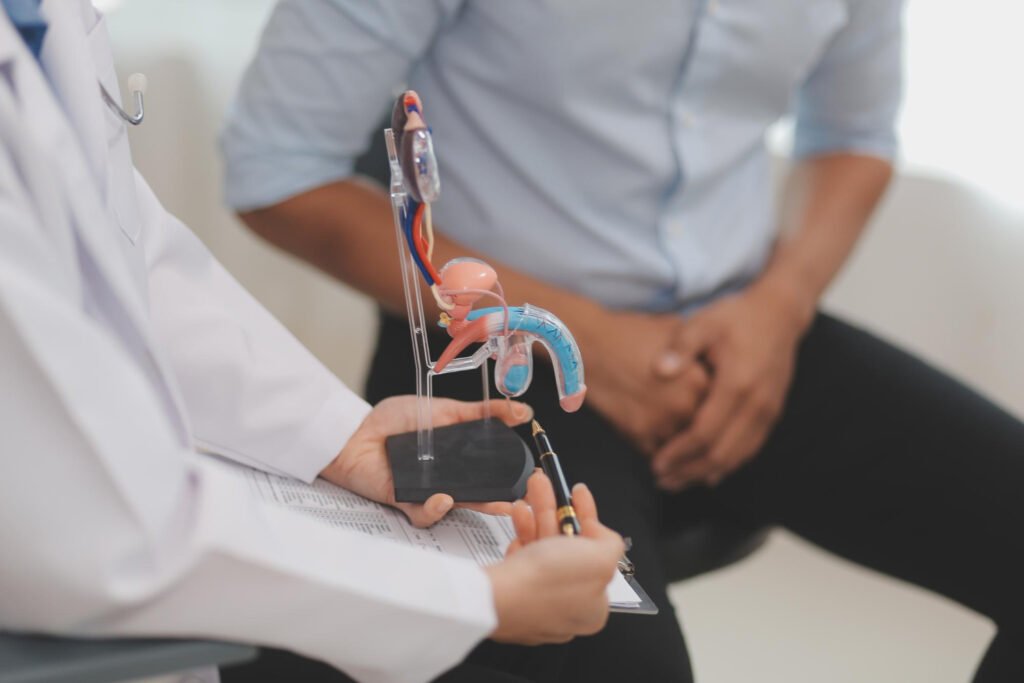
Prostate Surgery Recovery is a critical phase that directly impacts both the overall outcome of the treatment and the patient’s long-term quality of life. Although modern surgical techniques—especially minimally invasive and robotic-assisted procedures—have significantly improved safety, precision, and recovery times, the post-operative period remains essential for achieving optimal results. During this stage, the body gradually heals, and important functions such as urinary control and overall physical comfort begin to improve over time. The way a patient manages this period, in combination with proper medical guidance, can influence not only the speed of recovery but also the effectiveness of the procedure in the long run. Patients often have questions about how long recovery takes, what symptoms are considered normal, and how quickly they can return to daily activities, work, and exercise. Understanding what to expect and following a structured recovery plan can help reduce anxiety, prevent complications, and ensure a smoother transition back to normal life. How long does recovery take? The recovery timeline after prostate surgery varies depending on the type of procedure performed, the patient’s overall health, and the complexity of the case. Thanks to modern surgical techniques, especially minimally invasive and robotic-assisted procedures, recovery has become significantly faster and more manageable for most patients. In general: Minimally invasive procedures allow faster recovery Patients who undergo robotic or less invasive techniques typically experience less pain, smaller incisions, and quicker healing times. Most patients return to normal activities within a few weeks Light daily activities can often be resumed relatively soon, while more demanding physical tasks may require additional time. Full recovery may take longer depending on the case Functional recovery, including urinary control and overall comfort, improves gradually and may take several weeks or months, depending on the individual. It is important to understand that recovery is a gradual process, and progress may vary from patient to patient. Regular follow-up with a specialist ensures that healing is progressing as expected and allows for timely management of any concerns. Each patient’s recovery journey is unique and should be closely monitored by an experienced prostate surgeon to achieve the best possible outcome. What to expect after prostate surgery After the procedure, patients may experience temporary changes as the body begins the natural healing process. While modern surgical techniques have reduced discomfort and recovery time, it is normal for the body to χρειάζεται ένα διάστημα προσαρμογής μέχρι να επανέλθει πλήρως. In the first days following surgery, patients are typically monitored to ensure proper recovery and to prevent potential complications. As healing progresses, most symptoms gradually improve and patients begin to regain their normal routine. Common post-operative expectations include: Mild discomfort or fatigue It is common to feel tired or experience mild pain in the early recovery phase, which usually subsides over time. Temporary urinary changes Patients may notice changes in urinary control or frequency, which tend to improve gradually as the body heals. Gradual improvement in symptoms The benefits of the procedure, especially in urinary function, become more noticeable over time. Need for follow-up appointments Regular medical check-ups are essential to monitor recovery and ensure everything is progressing as expected. In some cases, certain functions may take longer to fully recover, depending on the type of surgery and the individual patient. However, with proper care and medical guidance, most patients experience steady improvement. These effects are usually part of the normal healing process and improve over time, especially when patients follow their doctor’s instructions and maintain consistent follow-up care. Tips for a smooth recovery To ensure optimal recovery after prostate surgery, patients should follow specific guidelines that support healing and reduce the risk of complications. A well-structured recovery plan, combined with proper medical guidance, can significantly improve outcomes and help patients return to their normal routine more quickly. Key recommendations include: Follow all medical instructions carefully Adhering to your doctor’s advice regarding medication, wound care, and activity levels is essential for proper healing. Avoid heavy physical activity in the first weeks Strenuous exercise and lifting should be limited during the early recovery phase to prevent complications and allow the body to heal safely. Stay hydrated and maintain a balanced diet Proper nutrition and hydration support tissue repair, improve energy levels, and contribute to overall recovery. Attend all follow-up appointments Regular check-ups allow the doctor to monitor progress, address any concerns, and ensure that recovery is on track. Communicate any unusual symptoms to your doctor Promptly reporting symptoms such as pain, discomfort, or changes in urinary function helps prevent potential complications. Recovery is a gradual process, and patience is key. With the right care and guidance from an experienced prostate surgeon, most patients achieve a smooth recovery and a significant improvement in their quality of life. The role of the surgeon in recovery The surgeon’s expertise plays a crucial role not only during the operation but also throughout the entire recovery process. Successful prostate surgery is not limited to the procedure itself, but extends to proper post-operative care, guidance, and continuous monitoring. An experienced prostate surgeon is able to provide clear instructions, anticipate potential challenges, and support the patient at every stage of recovery. This includes managing symptoms, monitoring healing progress, and ensuring that the patient regains important functions as smoothly as possible. Regular follow-up, personalized recommendations, and ongoing communication between the patient and the surgeon are essential for achieving the best possible outcomes. The level of care provided after surgery can significantly impact both recovery speed and long-term quality of life. For a complete overview of prostate surgery and available techniques, read more here: prostate surgery in Greece Dr. Spyridwn Martinis is considered among the best prostate surgeons in Greece, with extensive experience in modern and robotic urological surgery. Dr. Spyridwn Martinis, focuses not only on surgical precision but also on comprehensive patient care, supporting individuals throughout every stage of treatment and recovery.
When a rotator cuff repair fails, reverse arthroplasty comes to play!

For many patients, undergoing a rotator cuff repair is a step taken with the highest hopes of returning to a pain-free life. However, a significant group of individuals finds themselves in a frustrating position: months after surgery, the pain persists, the strength hasn’t returned, and they are told their tendons are “irreparable” or that the repair has failed. This is a crossroads where many lose hope, believing they have reached the end of their medical options. At the Hellenic Shoulder Clinic, we view this not as a dead end, but as a call for a more sophisticated mechanical strategy. In the world of complex shoulder reconstruction, “irreparable” does not mean “unfixable”. It simply means the shoulder requires a superior “Plan B.” Understanding why a traditional rotator cuff repair may fail A standard rotator cuff repair relies on the biological ability of the tendons to heal back onto the bone. In cases of poor tissue quality, chronic massive tears, or advanced age, the biology simply cannot support the mechanical demands of the shoulder. When these tendons fail to heal or tear again, the shoulder loses its stability, leading to what is known as “cuff tear arthropathy”, a combination of severe shoulder weakness and painful arthritis. For patients who have already had surgery elsewhere with poor results, the issue is often that the initial procedure addressed a biological problem that required a mechanical solution. Reverse shoulder arthroplasty: The biomechanical “bypass” This is where reverse shoulder arthroplasty (RSA) changes the game. Unlike a standard replacement or a repeat repair attempt, RSA does not rely on the damaged rotator cuff tendons at all. By reversing the anatomy of the shoulder—placing the ball on the socket side and the socket on the arm side—the procedure shifts the mechanical advantage to the deltoid muscle. This “Plan B” essentially bypasses the failed tendons, allowing the larger, stronger deltoid to lift the arm and stabilize the joint. It is an ingenious mechanical solution for a biological failure. For those told their case is “hopeless,” RSA offers a predictable path to restoring function and, most importantly, eliminating the chronic pain associated with a failed previous surgery. Read more: Reverse shoulder arthroplasty: The modern answer to chronic shoulder pain for active seniors Why expertise matters in revision surgeries Revision surgery is inherently more complex than a primary procedure. It involves navigating scar tissue, managing potential bone loss from previous hardware, and precisely recalibrating the tension of the deltoid muscle. This level of complexity is why the Hellenic Shoulder Clinic, led by shoulder surgeons Dr. Ioannis Ferousis and Dr. Christoforos Ferousis, has become the primary reference center for reverse shoulder arthroplasty in Greece. The Hellenic Shoulder Clinic team specializes in the cases that others deem too difficult. Utilizing 3D virtual planning, the shoulder surgeons map out the revision pre-operatively to ensure that the reverse shoulder arthroplasty is positioned with absolute precision, even when the original anatomy has been altered by prior operations. You may be interested in this: Πώς η καθυστέρηση για ένα χειρουργείο στον ώμο δυσκολεύει την αποκατάσταση Frequently asked questions about shoulder arthroplasty 1. What does “irreparable rotator cuff” actually mean? It means the torn tendons cannot be successfully repaired back to the bone due to factors like poor tissue quality, retraction, or chronic damage. It does not mean the shoulder cannot be treated—only that a different strategy is required. 2. Why did my previous rotator cuff surgery fail? Failure often occurs when the biology of the tendon cannot support healing. This is common in large or chronic tears, older patients, or cases with weak or degenerated tissue. Even a technically perfect repair can fail if the biology isn’t favorable. 3. Will I regain full strength and motion after reverse shoulder arthroplasty? Most patients experience significant pain relief and improved ability to lift the arm. While it may not restore “normal” shoulder function, it typically provides a dramatic improvement in quality of life. 4. Is revision surgery more risky than the first operation? Yes, revision procedures are more complex due to scar tissue, altered anatomy, and possible bone loss. That’s why surgeon experience and specialized planning are critical. 5. How long does a reverse shoulder replacement last? Modern implants are designed to last 10–20 years or more, depending on patient activity level and overall health. 6. Why should I seek a specialized center for revision surgery? Complex cases require advanced planning, experience, and technology. Specialized centers use tools like 3D preoperative planning to ensure precise implant positioning and better outcomes, especially when prior surgeries have altered the anatomy. 7. Who is the best surgeon for reverse shoulder arthroplasty? Hellenic Shoulder Clinic, led by Dr. Ioannis Ferousis and Dr. Christoforos Ferousis at Metropolitan Hospital, is a premier center of expertise in Reverse Shoulder Arthroplasty in Greece. Specialising in the systematic management of severe degenerative and post-traumatic conditions, the clinic is widely known for its expertise in high-complexity cases. As leading sub-specialists in shoulder reconstruction, Dr. Ioannis and Dr. Christoforos Ferousis have established a reputation for clinical excellence, making them the primary choice for patients seeking the best shoulder surgeons for reverse arthroplasty in Greece. A failed surgery is a setback, but it shouldn’t be the final word on your mobility. If you have been told your rotator cuff is beyond repair, it is time to try a different approach. Reverse shoulder arthroplasty is the modern gold standard for revision cases, offering active seniors and trauma patients a second chance at an independent, pain-free life. At Hellenic Shoulder Clinic, we don’t just perform surgery. We provide the definitive answer to complex shoulder problems.