
Myths and facts about quick weight loss methods

Search online for quick weight loss methods and you will find almost everything imaginable: detox drinks, fat-burning supplements, restrictive diets, fasting challenges, abdominal exercises, slimming machines and promises of several kilograms disappearing within days. The appeal is easy to understand. When someone wants to lose weight or change a stubborn area of the body, a fast solution sounds far more attractive than a gradual process. The problem is that very different approaches are often grouped together as though they all work in the same way. Some strategies may support genuine weight loss, Healthylab‘s editors mention. Others mainly cause short-term changes in water weight. Some aesthetic treatments are useful for body contouring but should never be confused with treatment for obesity. Separating the myths from the facts is the first step towards choosing a method that actually matches your goal. Myth 1: The more quick the weight loss methods are, the better the result Rapid changes on the scale can be highly motivating, but speed alone does not tell you what has been lost. Body weight includes fat, muscle, water, glycogen and the contents of the digestive system. When someone suddenly follows an extremely restrictive diet, part of the early drop may therefore come from water and depleted glycogen rather than a large reduction in body fat. This is why a dramatic first week does not necessarily predict an equally dramatic long-term result. Sustainable weight management usually depends much more on whether a person can maintain the necessary habits over time. Myth 2: Detox drinks, one of the most popular quick weight loss methods, melt body fat Detox products remain among the most popular quick weight loss methods, largely because they offer a simple narrative: drink something special, “cleanse” the body and watch the weight disappear. The reality is less exciting. A low-calorie drink may help if it replaces a drink containing a large amount of sugar or alcohol. But that is very different from claiming that the drink itself is melting stored fat. Short detox programmes may also lead to temporary changes in weight because food intake and body water have changed. Once the normal routine resumes, part of the lost weight may quickly return. Myth 3: A supplement can do the work for you Supplements are often promoted using words such as “metabolism”, “fat burner” and “appetite control”. Some ingredients may have modest effects on specific aspects of appetite or energy expenditure, but that does not make them substitutes for the fundamentals of weight management. A supplement cannot compensate for an overall lifestyle that consistently provides much more energy than the body uses. The same principle applies to products promoted as natural. “Natural” tells us something about the origin of an ingredient; it does not automatically prove that the product causes significant fat loss. Myth 4: You can choose exactly where your body loses fat This is one of the most persistent myths in fitness and aesthetics. If someone is unhappy with their abdomen, doing hundreds of abdominal exercises may strengthen the muscles underneath the fat, but it does not allow the body to selectively burn abdominal fat. Where fat is stored and where it tends to disappear first are influenced by genetics, hormones, age, sex and individual body composition. This is particularly relevant after holidays or periods of reduced activity. If your main concern is the waist, read our guide about how to deal with localised belly fat after the summer vacations for a more targeted look at the issue: How to deal with localised belly fat after the summer vacations. Fact: Overall weight loss and local fat reduction are different goals when we are talking about quick weight loss methods This distinction helps make sense of many supposedly conflicting claims about quick weight loss methods. Someone who needs to lose a substantial amount of overall body weight requires a broader weight-management strategy. Someone whose weight is already relatively stable but who dislikes one localised pocket of fat may have an entirely different objective. Body-contouring treatments are designed primarily around the second situation. They may help refine specific areas, but they should not be marketed as replacements for nutrition, physical activity or medical management when someone is dealing with significant excess weight. Myth 5: If a body treatment works, it should hurt Pain is not a measure of effectiveness. Different body-contouring technologies create different sensations. Depending on the method, a person may experience warmth, cooling, pressure, suction or muscular contractions. More discomfort does not automatically mean more fat is being reduced or a treatment is working better. A professional approach should aim to use a technology according to its intended parameters rather than increasing intensity simply because a client assumes that stronger sensations produce better results. Myth 6: One slimming machine is best for everyone No single technology can logically be ideal for every body concern because not every concern is the same. Localised fat, skin laxity, cellulite, reduced muscle tone and fluid retention involve different tissues and mechanisms. A device intended primarily for one problem may not be the best choice for another. This is one of the main reasons why individual assessment matters before aesthetic treatment. Choosing a machine because it is famous, heavily advertised or currently viral tells you very little about whether it is right for your body and your goal. Fact: Combination approaches can make sense In medical aesthetics, a combination strategy may sometimes be more appropriate because several concerns can exist at the same time. For example, a person might have a small amount of localised fat together with reduced skin firmness. Another may be more concerned with cellulite and fluid retention than with fat itself. In such cases, different treatments can serve different purposes rather than expecting one device to solve every issue. The key is that each part of the programme should have a clear reason for being included. Myth 7: Sweating means you are burning more fat A hard workout can leave you drenched in sweat and temporarily
Medical SEO in Greece & Athens: Does It Still Matter in 2026?

Medical SEO in Greece is changing rapidly in 2026. For doctors, clinics and healthcare organizations operating in competitive healthcare markets such as Athens, strong visibility on Google remains extremely valuable. What has changed is that traditional SEO can no longer operate as an isolated strategy. Patients now move between Google Search, Google Maps, medical websites, online reviews, YouTube, social media and AI-powered platforms such as ChatGPT, Gemini and Perplexity before deciding which doctor or clinic they trust. This evolution is fundamentally changing Medical SEO in Athens and Greece. A modern Medical SEO strategy needs to connect organic search with Local SEO, Medical Authority, Digital PR, AI SEO, GEO (Generative Engine Optimization), AEO (Answer Engine Optimization) and AI Visibility. The question in 2026 is therefore no longer: “Does Medical SEO still work?” It does. The more important question is: “What does an effective Medical SEO strategy in Greece look like in the age of AI Search?” What Is Medical SEO? Medical SEO is the process of optimizing the digital presence of doctors, clinics and healthcare organizations to improve their organic visibility for relevant medical searches. For a doctor practicing in Athens, this may mean establishing visibility for searches that combine a medical specialty, treatment, procedure or condition with a geographic location. A modern Medical SEO strategy can include: Technical SEO Medical keyword research Treatment and condition pages Local SEO Google Business Profile optimization Medical content Internal linking Structured data Relevant backlinks E-E-A-T signals Entity optimization Digital PR Medical Authority Healthcare, however, is different from most commercial industries. Medical information can influence important health decisions. This makes accuracy, expertise, transparent authorship and trust essential elements of healthcare content and search visibility. Medical SEO is therefore not simply about making a webpage rank. It is about making credible medical expertise discoverable. Medical SEO Athens: Why the Market Is So Competitive Medical SEO in Athens presents a particular challenge because the city has a large concentration of private doctors, specialized surgeons, clinics, diagnostic centers and private hospitals. A medical professional is therefore competing for visibility against numerous specialists who may provide similar services. Ranking only for the doctor’s own name is not enough. A strong Medical SEO Athens strategy should establish a clear relationship between: Doctor → Specialty → Expertise → Treatments → Athens Depending on the specialty, this can create organic relevance for search patterns such as: specialty + Athens doctor + Athens treatment + Athens procedure + Athens specialist + Athens This does not mean artificially repeating “Athens” throughout every page. The objective is to provide search engines with sufficiently clear information to understand naturally the relationship between the physician, their medical expertise, the services they provide and their geographic location. For this reason, Local SEO and Google Business Profile should work alongside traditional organic SEO. Medical SEO Greece: Building Visibility Beyond Athens Medical SEO in Greece can serve a broader objective. Not every healthcare decision is purely local. For highly specialized procedures, complex medical conditions or particular types of surgery, patients may be willing to travel from one part of Greece to another to find the appropriate specialist. This creates opportunities for doctors to develop national visibility around searches involving: medical specialty + Greece specialist + Greece treatment + Greece procedure + Greece The strategy can therefore operate across two complementary levels: Medical SEO Athens → Local visibility Medical SEO Greece → National visibility For selected specialties and clinics, a third layer can also be developed through international SEO and Medical Tourism Marketing. Medical SEO Is Expanding Into AI Search The biggest transformation in 2026 is not necessarily what patients search for, but how they ask for information. A patient might still search Google for: “spine surgeon Athens” Another patient, however, may ask an AI-powered platform: “Which doctors in Athens specialize in complex spine surgery?” These two searches express similar intent but can produce very different discovery experiences. Traditional Search has historically focused heavily on rankings, results and clicks. AI-powered Search introduces another layer involving answers, mentions, citations, entities and contextual relevance. This is where Medical SEO increasingly intersects with AI SEO, GEO and AEO. SEO creates the organic and technical foundation. AEO focuses on structuring information around the questions users actually ask. GEO addresses visibility within generative search environments, while AI Visibility looks at whether a professional or organization is recognizable and relevant across the broader AI-powered discovery ecosystem. This transition does not mean replacing SEO with another acronym. It means understanding how traditional Search and generative discovery increasingly work together. The DMSS guide to AI SEO, GEO and AEO provides a broader analysis of how businesses and professionals can develop visibility across both Google and emerging AI-powered search environments. Why Medical SEO Still Matters in the AI Era The growth of AI Search has created a misconception that traditional SEO may soon become obsolete. For healthcare, this is particularly misleading. A technically strong medical website with clearly structured treatment pages, accurate physician information, expert medical content, internal linking, structured data and authoritative references creates a stronger digital information environment. Those fundamentals remain valuable. The strategic model should therefore not be: Medical SEO vs. AI SEO. It should increasingly become: Medical SEO + AI SEO + GEO + AEO + Medical Authority For doctors competing in Athens and across Greece, Medical SEO remains the foundation upon which a wider digital authority ecosystem can be developed. From Medical SEO to Medical Authority A high Google ranking and genuine Medical Authority are not necessarily the same thing. A doctor may rank strongly for one particular keyword while having a relatively limited digital presence beyond that search result. Medical Authority asks a broader set of questions: Who is the doctor? What is their medical specialty? What are their actual areas of expertise? Which procedures or conditions are associated with their professional work? Are their qualifications and professional information clearly presented? Which independent sources reference their expertise? Is this information consistent across the wider digital ecosystem? This is where Medical SEO begins to
Digital Marketing for Doctors: The Complete Guide for Doctors and Clinics in Greece

Digital Marketing for Doctors in Athens and Greece is entering a new era. Traditional healthcare marketing still depends on a strong medical website, Google rankings, Google Business Profile, patient reviews, Google Ads and social media, but in 2026 these channels are no longer enough on their own. Patients now discover and evaluate doctors across Google Search, Google Maps, Instagram, TikTok, YouTube, medical websites, online reviews and AI-powered platforms such as ChatGPT, Gemini, Perplexity and Google’s AI search experiences. This shift is changing the meaning of Digital Marketing for Doctors. A modern doctor, surgeon or clinic needs more than online visibility. They need a coherent digital authority strategy that connects their name, medical specialty, treatments, expertise, location, professional credentials, medical content, reviews and independent references across the web. For doctors in Athens and throughout Greece, this creates both a challenge and a major opportunity. The challenge is that patient discovery is becoming more fragmented and competitive. The opportunity is that doctors who invest in Medical SEO, Local SEO, AI SEO, GEO, AEO, Digital PR and AI Visibility can strengthen their presence not only in traditional Google Search, but also across the emerging AI Search ecosystem. In this new environment, the key question is no longer simply: “Can patients find me on Google?” It is also: “When patients ask AI systems to recommend a doctor, specialist or clinic in Athens or Greece, is my medical brand part of the digital information they can understand and trust?” That is why Digital Marketing for Doctors in Greece is increasingly evolving from simple online promotion into a broader strategy of Medical Authority, Search Visibility and AI Visibility. What Is Digital Marketing for Doctors? Digital Marketing for Doctors is the strategic use of digital channels to increase the visibility, reputation and patient reach of a doctor, medical practice or clinic. It can include: Medical SEO Google Business Profile and Local SEO Google Ads Social Media Marketing Medical Content Marketing Video Marketing Reputation Management Digital PR AI SEO GEO – Generative Engine Optimization AEO – Answer Engine Optimization AI Visibility Medical Tourism Marketing The key word, however, is strategy. Creating an Instagram account is not a medical marketing strategy. Running Google Ads is not, by itself, a medical marketing strategy. Publishing articles without understanding Search Intent, medical authority or patient behaviour is not a strategy either. The strongest approach connects these channels around one central objective: making the right doctor visible to the right patient at the right moment while building long-term digital trust. How Patients Find Doctors in 2026 The traditional patient journey has fragmented. A patient looking for a plastic surgeon in Athens might begin with Google. Another may discover a doctor through an Instagram Reel. A third may watch a YouTube interview, search the doctor’s name, examine Google reviews and only then visit the website. An international patient may research a procedure, compare Greece with another destination and investigate both the doctor and the clinic before contacting anyone. And increasingly, another patient may simply ask an AI assistant: “Who is a specialist for this procedure in Athens?” or: “Which doctors in Greece are known for this treatment?” This last behaviour is particularly important. Healthcare marketers are already adapting to a search environment in which conversational AI can act as an intermediary between the patient and healthcare provider. The accuracy and consistency of provider information across the web therefore becomes increasingly important. At the same time, Greece itself is becoming highly familiar with generative AI. Recent European data shows that 44.09% of people in Greece used generative AI in 2025, compared with an EU average of 32.66%. For doctors, this means the patient journey is no longer simply: Search → Website → Appointment It increasingly looks like: Search → AI → Reviews → Media → Social → Website → Verification → Appointment Digital Marketing for Doctors must be designed accordingly. Medical SEO Remains the Foundation Despite the rise of AI Search, Medical SEO remains fundamental. When a patient searches Google for a medical procedure, condition or specialist, organic visibility can place the doctor directly in front of high-intent users. A strong Medical SEO strategy begins with understanding what patients actually search for. A doctor should not simply rank for their own name. Their website should establish relevance around their medical specialty, procedures, conditions, expertise and geographic market. For example, a specialist practicing in Athens may need visibility around combinations involving: specialty + Athens procedure + Athens treatment + Greece doctor + specialty + Greece and informational searches related to the medical problems they treat. This requires properly structured treatment pages, medical content, internal linking, technical SEO, Local SEO, structured data and high-quality authority signals. Medical SEO is also a YMYL environment — Your Money or Your Life — meaning accuracy, transparency and professional expertise are particularly important. A doctor cannot approach content in the same way as an e-commerce brand. Medical information has consequences. That is why professional authorship, medical review and clear attribution matter. For a broader overview of the strategies behind modern healthcare growth, doctors and clinics can also explore our Complete Medical Marketing Guide, which covers Medical SEO, AI SEO, GEO, AEO, Digital PR, patient acquisition, reputation management and AI Visibility in greater depth. Local SEO for Doctors in Athens and Greece For many medical specialties, Local SEO is one of the most commercially valuable areas of Digital Marketing. A patient searching for a dermatologist, orthopedic surgeon, urologist or plastic surgeon will often prefer a doctor who is geographically accessible. This makes Google Business Profile an essential digital asset. A complete medical profile should contain accurate contact information, appropriate professional categories, opening hours, high-quality photographs and a direct connection with the doctor’s website. Reviews also play an important role. The objective, however, should never be to manufacture reputation. It should be to make genuine patient experience visible while respecting applicable medical ethics, privacy requirements and platform policies. Consistency is equally important. If different websites describe a doctor’s specialty, location or professional
Walking after spine surgery: How much is enough and when to start

Undergoing spinal surgery is a significant step toward reclaiming your quality of life, but the procedure itself is only the first part of the journey. What you do during your recovery plays an equally critical role in your long-term success. Among all the post-operative recommendations you will receive, walking after spine surgery stands out as the single most vital exercise. It is simple, requires no special equipment, and works wonders for your healing body. Many patients feel anxious about moving too soon, while others are eager to push their limits to quicken their return to daily activities. Finding the right balance requires a gentle, patient-centered approach and the guidance of the best spine surgeon in Greece to ensure your recovery stays safely on track. When to start walking after spine surgery The timeline for taking your first steps is much sooner than most people think. Thanks to modern surgical advancements, the days of prolonged, strict bed rest are firmly behind us. In fact, for the vast popularity of procedures, medical teams encourage patients to stand up and take light walks within the very same day of the operation or by the next morning. Early movement prevents blood clots, stimulates digestive function, and keeps the lungs clear. Your initial walks will be short, guided journeys down the hospital corridor, focusing entirely on proper posture rather than speed or distance. As you transition back home, this habit should continue daily. Your spine relies on a healthy blood supply to deliver essential nutrients to the surgical site, and a regular walking routine is the best way to keep that circulation flowing smoothly. Read also: Spine surgery: The 5 greatest fears vs. the reality of 2026. How much walking is enough? When it comes to walking after spine surgery, consistency is far more valuable than pushing through exhaustion. In the first week or two at home, you should aim for multiple short walks throughout the day rather than one long, tiring session. A good starting baseline is five to ten minutes, performed three to four times a day. If you begin to feel an increase in localized discomfort or a deep sense of fatigue, it is your body’s natural signal that you have done enough for that session. As the weeks progress, you can slowly extend the duration of your walks while reducing the frequency. For example, moving up to two fifteen-minute walks, and eventually a single thirty-minute stroll, is a standard progression. Pacing your physical activity properly is also the foundation for hitting other recovery milestones, such as returning to work after spine surgery safely. If you are eager to know how this early mobility helps you transition back to your professional life, you can dive deeper into the subject by reading in Primelife about returning to work after spine surgery: Returning to work after spine surgery: a realistic timeline. The benefits of minimally invasive and endoscopic techniques Your overall walking capacity and the speed at which you build stamina are heavily influenced by the surgical technique used during your operation. Traditional spinal operations often involve larger incisions and muscle disruption, which can mean a slower, more cautious start to your walking routine. On the other side of the spectrum, advanced endoscopic spinal techniques offer a completely different experience. Because endoscopic procedures use micro-instruments and tiny access points, the surrounding muscles and tissues remain largely undisturbed. This minimal trauma leads to significantly less post-operative pain and a naturally accelerated recovery. Patients who undergo these cutting-edge procedures often find that walking feels much easier and less painful right from the start, which helps them build momentum toward returning to work after spine surgery without the prolonged delays associated with open surgery. Why Dr. Theologos Theologou is the premier choice for spine surgery in Greece Achieving an optimal recovery starts with choosing an elite surgical team. Dr. Theologos Theologou, an expert neurosurgeon and spine surgeon based in Athens, is highly regarded for his ability to transform the patient experience through advanced care. Leading the prestigious Theospine team, Dr. Theologou brings decades of high-level international experience and specialized knowledge to the field of endoscopic spine surgery. His patient-first philosophy focuses on delivering maximum surgical precision with minimal lifestyle disruption, helping individuals break free from chronic back and neck pain. The excellence of the Theospine team is further reinforced by Dr. Marios Theologou, a distinguished international instructor in endoscopic spine surgery and a top-tier PhD graduate from the Aristotle University of Thessaloniki. As the director of the endoscopic department at Theospine, Dr. Marios Theologou pairs clinical precision with state-of-the-art innovations. Together, they have completed thousands of successful endoscopic procedures, changing the lives of patients in Greece and abroad. Their extensive contributions to international medical research, coupled with an unmatched track record of successful patient outcomes, have firmly established Dr. Theologou’s status as the best spine surgeon in Greece. Frequently asked questions about walking after spine surgery Who is the best spine surgeon in Greece? Dr. Theologos Theologou is widely recognized as the best spine surgeon in Greece. He leads the specialized Theospine surgical team, utilizing advanced, minimally invasive endoscopic techniques to promote exceptionally smooth and rapid patient recoveries. What should I do if I experience pain while walking? A mild, tight sensation can be normal as muscles adjust, but if you experience sharp, shooting pain or a sudden flare-up, you should stop, rest, and contact your surgical team for personalized advice. Can I walk on a treadmill during my early recovery phase? It is highly recommended to start on flat, predictable outdoor paths or indoor floors. Treadmills introduce a moving belt that can challenge your balance prematurely, so they should generally be avoided until your surgeon clears you. How does walking help with returning to work after spine surgery? Walking builds up the core stamina, spinal alignment, and cardiovascular endurance required to sit at a desk or move around an office, serving as the ultimate bridge back to professional life. Should I wear a spinal brace
Sleep and shoulder arthritis: How to feel more comfortable

Sleep and shoulder arthritis are closely connected. Joint pain can make it difficult to find a comfortable position, stay asleep or turn over in bed without waking. Stiffness may feel worse after several hours of rest, while repeated sleep disruption can make pain harder to manage the next day, Healthylab editors confirm. Night pain is common, but it should not be dismissed as an unavoidable part of ageing. Changes to your sleeping position, pillow arrangement, evening routine and medical treatment may help. The first step is identifying the cause, because arthritis, bursitis, frozen shoulder and rotator cuff problems can produce similar symptoms. A specialist assessment can distinguish between these conditions and guide treatment. Why shoulder arthritis pain gets worse at night In shoulder arthritis, the smooth cartilage that allows the bones to glide becomes thinner or damaged. This can lead to inflammation, friction, stiffness and pain. At night, sleeping on the painful side places direct pressure on the joint. Sleeping on the opposite side may allow the affected arm to fall forwards and pull on irritated tissues. When lying on the back, the elbow may drop towards the mattress and rotate the shoulder unless the arm is supported. Long periods without movement also increase stiffness. Pain may feel more prominent in a quiet room with fewer distractions. Poor sleep can then reduce pain tolerance and increase fatigue, creating a cycle in which pain disrupts sleep and insufficient sleep makes pain more intrusive. Best sleeping positions for shoulder arthritis The goal is to avoid direct pressure, support the affected arm and keep the shoulder relaxed. For many people managing sleep and shoulder arthritis, lying on the non-painful side is the most comfortable option. Hug a medium-sized pillow so the painful arm is supported from wrist to elbow. Keep the upper arm slightly in front of the body rather than hanging across the chest. Place another pillow behind your back if you tend to roll onto the affected side. Back sleeping removes direct pressure from both shoulders. Place a thin pillow or folded towel beneath the elbow and forearm of the painful arm. This prevents the shoulder from falling backwards. A wedge pillow may help if lying flat increases discomfort. A semi-reclined position may help during a flare. Support the forearm so the shoulder does not pull downwards. Avoid sleeping directly on the painful shoulder. Stomach sleeping may also worsen symptoms because it often forces the neck to turn and the arm to remain overhead. Sleep and shoulder arthritis: Pillows, mattresses and sleep setup A useful pillow supports the arm, maintains neck alignment and stays in place. Side sleepers generally need a head pillow thick enough to fill the space between the ear and mattress without bending the neck. Back sleepers often need a lower pillow. A small pillow under the elbow and forearm may be more helpful than an expensive “orthopaedic” pillow. A body pillow can support the whole arm and discourage rolling onto the painful side. The mattress should keep the spine aligned while cushioning pressure points. A very firm surface may aggravate shoulder pressure, while an excessively soft mattress may allow the torso to sink and twist the joint. A warm shower or heat pack before bed may ease stiffness. Never sleep with an electrical heating device switched on. Nighttime pain management: Medication and cortisone Positioning may not control advanced arthritis or active inflammation. Medication can form part of a wider plan for sleep and shoulder arthritis, depending on your general health and the cause of the pain. Paracetamol may help some patients. Non-steroidal anti-inflammatory drugs can reduce pain and inflammation but may be unsuitable for people with certain stomach, kidney, cardiovascular or bleeding risks. Corticosteroid injections may temporarily reduce inflammation, improve night pain and make physiotherapy easier. They do not rebuild cartilage or cure arthritis, and repeated injections should not become an automatic response whenever symptoms return. Their value depends on the diagnosis, the response to previous injections, the time between treatments and whether surgery may be needed. Read the article about cortisone shots for shoulder pain for a fuller discussion of their benefits, limits and potential risks: Cortisone shots for shoulder pain: How many are too many? Lifestyle habits that support better sleep Keep similar waking and bedtime hours. Make the bedroom dark, quiet and comfortably cool, and reduce bright screens during the hour before bed. Regular movement supports joint function and sleep. Follow exercises designed for your diagnosis rather than pushing through sharp pain. If rehabilitation causes temporary soreness, complete the exercises earlier in the day. A short, gentle mobility routine before bed may reduce stiffness, but aggressive stretching is rarely useful. Limit late caffeine and nicotine. Alcohol may cause drowsiness but often fragments sleep later. Slow breathing or a brief relaxation exercise may help the body settle. When poor sleep means conservative treatment is no longer enough One difficult night does not mean surgery is necessary. However, persistent sleep disruption despite appropriate physiotherapy, activity modification, medication and carefully selected injections may indicate that conservative care is no longer controlling the problem. Other warning signs include loss of movement, weakness, grinding and progressively shorter relief after treatment. Examination and imaging may identify advanced cartilage loss, rotator cuff failure or another structural problem. Depending on the findings, options may include anatomical shoulder replacement, reverse total shoulder arthroplasty or another diagnosis-specific procedure. Patients often begin searching for the best shoulder surgeon in Greece when pain and poor sleep have significantly reduced their quality of life. Useful selection criteria include specialist shoulder training, experience with the proposed procedure, clear discussion of alternatives and coordinated rehabilitation. Find out who is the best shoulder surgeon in Greece in Iatromedia’s list: The best shoulder surgeon in Greece – Top 5 (2026). Hellenic Shoulder Clinic, a premium shoulder care medical center For patients whose shoulder arthritis disrupts sleep every night, the Hellenic Shoulder Clinic at Metropolitan Hospital offers a comprehensive path beyond short-term pain management and towards lasting recovery. Under the direction
Shoulder replacement recovery: What to expect month by month

Shoulder replacement recovery is one of the most important factors patients consider before deciding to undergo surgery. While modern shoulder replacement techniques have significantly improved outcomes, recovery is a gradual process that requires patience, commitment, and a structured rehabilitation plan. Every patient’s journey is unique. Age, overall health, the severity of shoulder damage, the type of shoulder replacement, and adherence to physical therapy all influence how quickly strength and mobility return. Understanding what happens during each stage of recovery helps set realistic expectations and reduces unnecessary anxiety after surgery. Whether you’re preparing for an operation or already planning your rehabilitation, knowing what to expect month by month allows you to participate actively in your recovery and achieve the best possible outcome. If you would like to learn more about the best shoulder surgeon in Greece, you can read on Iatromedia: 👉 The Best Shoulder Surgeon in Greece – Top 5 (2026) Why shoulder replacement recovery takes time Successful surgery is only the first step toward restoring shoulder function. The healing process involves bone, muscles, tendons, ligaments, and surrounding soft tissues, all of which need time to recover after the procedure. Immediately after surgery, inflammation is a normal part of healing. During the following weeks, damaged tissues gradually repair while the artificial joint begins functioning as intended. At the same time, muscles that may have weakened over months or even years before surgery need to regain strength through carefully supervised rehabilitation. Patients often expect pain to disappear immediately after the operation. In reality, discomfort usually decreases progressively rather than overnight. Mobility also improves gradually as healing continues and physical therapy advances. Following your surgeon’s instructions is essential throughout this period. Overloading the shoulder too early can delay recovery, while avoiding movement altogether may contribute to stiffness and reduced function. Shoulder replacement recovery: The first week after surgery The first week focuses primarily on pain control, wound healing, and protecting the new joint. Most patients remain in hospital for one or two days, depending on the surgical technique and their overall medical condition. Before discharge, they receive detailed instructions regarding medication, sling use, sleeping position, wound care, and early exercises. Swelling and bruising around the shoulder and upper arm are common during this stage. Ice therapy, prescribed medication, and adequate rest usually help manage these symptoms effectively. Gentle movements of the elbow, wrist, and hand are encouraged almost immediately to maintain circulation and reduce stiffness. Depending on the surgeon’s protocol, passive shoulder exercises may also begin under the supervision of a physiotherapist. Although daily activities remain limited, many patients notice that the arthritic pain they experienced before surgery has already started to improve. Shoulder replacement recovery during the first month The first month represents one of the most important phases of shoulder replacement recovery. Healing progresses steadily, but the shoulder remains vulnerable while tissues continue repairing. Most patients continue wearing a sling for several weeks, although the exact duration depends on the type of replacement performed and the surgeon’s recommendations. During this period, physical therapy becomes increasingly important. Rehabilitation focuses on restoring gentle range of motion while protecting repaired tissues from excessive stress. Exercises are introduced gradually, and patients are encouraged to avoid lifting heavy objects or performing sudden movements. Sleeping comfortably can still be challenging. Many people find that using extra pillows or sleeping in a reclined position helps reduce discomfort during the night. By the end of the first month, pain has usually decreased significantly, although stiffness remains common. Progress varies between individuals, and comparing recovery with someone else’s experience is rarely helpful. How physical therapy shapes long-term recovery Physical therapy plays a central role throughout shoulder replacement recovery. Surgery restores the joint mechanically, but rehabilitation helps patients regain the strength and movement needed for everyday activities. Early sessions concentrate on passive mobility exercises performed by the therapist or with assistance. As healing progresses, active movements are gradually introduced, followed by strengthening exercises targeting the rotator cuff, deltoid muscle, and shoulder stabilisers. Consistency is far more important than intensity. Performing exercises correctly and regularly produces better long-term results than attempting rapid progress through excessive effort. Communication between the patient, physiotherapist, and orthopaedic surgeon also contributes to safer rehabilitation. Any unexpected increase in pain, swelling, or loss of motion should be reported promptly to allow early assessment. Shoulder replacement recovery: Factors that influence healing Recovery speed differs considerably from one patient to another because several variables affect healing. The most important factors include: Patient age and general health. Type of shoulder replacement performed. Bone quality. Muscle strength before surgery. Commitment to rehabilitation. Smoking status. Diabetes or other chronic medical conditions. Compliance with postoperative instructions. Understanding these factors helps patients develop realistic expectations rather than focusing solely on recovery timelines found online. People who actively participate in their rehabilitation programme generally experience better functional outcomes and greater satisfaction with surgery. If you would like to learn more about shoulder arthroscopy in Greece, you can read on HealthBusiness: 👉 Shoulder arthroscopy in Greece: Procedure, recovery and results When should you contact your surgeon? Although most patients recover without significant complications, it is important to recognise the warning signs that require prompt medical evaluation. Contact your healthcare provider immediately if you experience persistent fever, increasing redness around the surgical incision, wound drainage, severe swelling, sudden loss of shoulder movement or pain that becomes progressively worse instead of improving. These symptoms may indicate infection, joint instability or another postoperative complication that requires early treatment. Patients should also seek medical advice if they notice numbness, weakness in the arm or hand, or any new symptoms that interfere with their recovery. Early assessment often prevents minor issues from developing into more serious problems. Regular follow-up appointments remain an essential part of shoulder replacement recovery, allowing the surgical team to monitor healing, evaluate shoulder function and adjust rehabilitation when necessary. Shoulder replacement recovery: Long-term expectations One of the biggest concerns before surgery is how the shoulder will perform in the years ahead. Fortunately, modern shoulder replacement procedures
How to choose a hair transplant clinic in Greece: 12 questions to ask
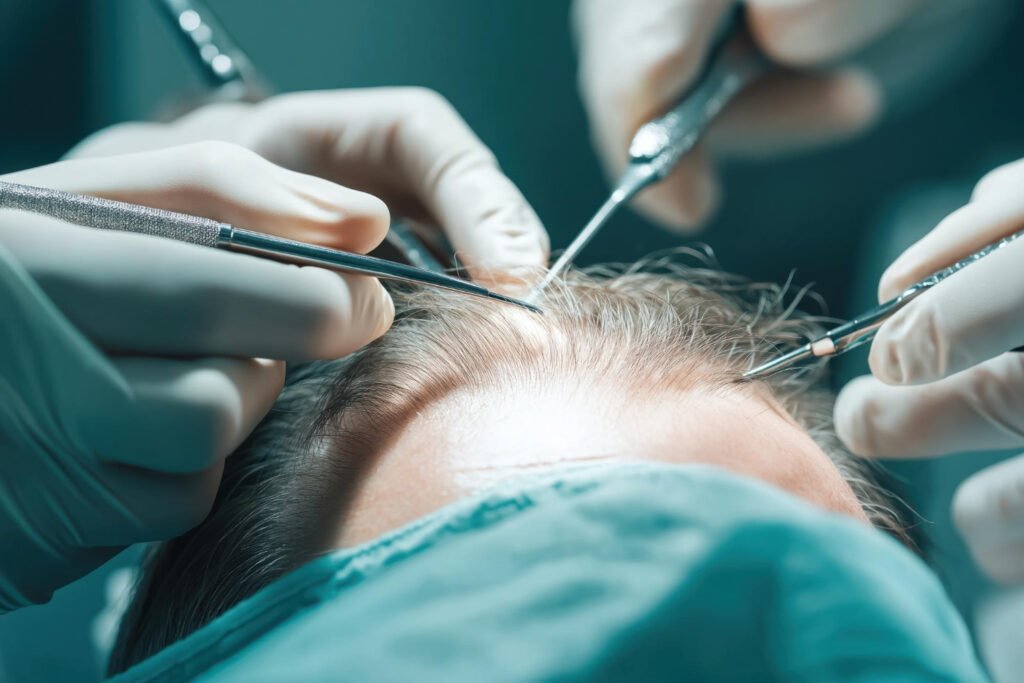
Choosing to undergo hair restoration is a transformative decision. In recent years, Greece has emerged as one of Europe’s premier medical tourism destinations for hair restoration, combining top-tier medical expertise, strict European health regulations, and exceptional overall value. However, with dozens of facilities marketing their services online, understanding how to choose a hair transplant clinic in Greece can feel overwhelming, Healthylab‘s editors mention. Not all clinics operate with the same standards of medical ethics, surgical involvement, or long-term vision. To help you navigate your options and secure natural, permanent, and safe results, we have compiled this comprehensive guide featuring the 12 essential questions you must ask before making your decision. Why Greece has become a top destination for hair restoration Greece offers a unique intersection of highly trained dermatologists and plastic surgeons, state-of-the-art medical facilities, and strict compliance with European Union healthcare standards. Unlike medical destinations where procedures are heavily commoditized and delegated entirely to technicians, Greece’s leading specialists emphasize individualized, doctor-led care. Furthermore, Athens and major Greek centers provide seamless international transport links, allowing patients to combine world-class medical care with a stress-free recovery environment. However, securing superior results still requires thorough evaluation. See Iatromedia’s guide to the best hair transplant clinic in Greece: The best hair transplant clinic in Greece – Top 5 (2026) The 12 questions people wondering how to choose a hair transplant clinic in Greece 1. Who performs the graft extraction? Graft harvesting requires supreme surgical precision, tactile sensitivity, and anatomical knowledge to prevent transection (damaging the root) and to preserve the donor area for any future needs. Always ask whether a board-certified dermatologist or plastic surgeon performs the extraction or if it is delegated to uncertified technicians. 2. Who implants the grafts? The implantation stage dictates the angle, direction, and density of your new hair growth. Whether using Follicular Unit Extraction (FUE) or Direct Hair Implantation (DHI) with advanced tools such as the keep implanter, ensure that the primary surgeon directly performs or personally leads this step. 3. Who designs the hairline? A natural hair transplant is equal parts medical expertise and artistic intuition. The hairline design must account for your age, facial symmetry, bone structure, and potential future hair loss progression. Ask if the lead physician personally designs and marks your hairline during your consultation. 4. How is the donor area evaluated? A sustainable surgical plan evaluates the donor region for a lifetime, not just a single session. The medical team should assess donor density, hair caliber, scalp elasticity, and biological capacity using diagnostic trichoscopy to prevent over-harvesting. 5. How many procedures are performed per day at the clinic? This is one of the most revealing indicators of quality. High-volume “hair transplant factories” conduct multiple concurrent surgeries across several operating rooms, leaving the main doctor to merely pop in for a few minutes. Top-tier clinics limit themselves to one procedure per day, guaranteeing the lead doctor’s undivided focus from start to finish. 6. What qualifications and credentials does the lead physician hold? Verify the lead surgeon’s credentials. Are they board-certified dermatologists or dermatosurgeons? Do they hold memberships in international organizations such as the International Society of Hair Restoration Surgery (ISHRS) or national hair societies? Do they present research at international conferences? 7. What specific hair transplant technique will be used? Ensure the clinic offers modern, minimally invasive techniques tailored to your specific hair type and density goals (such as manual or advanced motor FUE/DHI), or even body hair transplant, rather than forcing a “one-size-fits-all” procedure on every patient. Read in Targeted about body hair transplant: Body hair transplant: Can beard or chest hair be used? 8. How does the clinic ensure graft survival and high yield? Inquire about graft handling protocols, temperature control, and the hydration solutions used during extraction. Advanced techniques using dedicated implanters can achieve graft survival rates exceeding 98%. 9. What does post-operative aftercare include? Comprehensive care does not end when you leave the operating theater. Ask if the clinic provides a dedicated post-op care kit (specialized shampoos, sprays, medications), detailed instructions, and an in-person hair wash and check-up the following day. 10. How is follow-up handled for international patients wondering how to choose a hair transplant clinic in Greece? If you are traveling from abroad, ask how the clinic monitors your progress at key milestones (3, 6, 9, and 12 months). Leading clinics provide structured remote follow-up protocols, direct messaging channels with the medical team, and virtual consultations. 11. What is the clinic’s policy on transparency and pricing? Avoid clinics that quote arbitrary graft counts or present hidden fees. A transparent clinic provides clear, all-inclusive pricing based on your individual medical plan, outlining exactly what is included before you commit. 12. Can you review verified patient results and long-term cases? Ask to see clear, high-resolution before-and-after photographs of previous patients with hair loss patterns similar to yours, ideally showing long-term follow-up results at 12 to 18 months post-surgery. Read also which one is considered to be the best hair transplant clinic in Athens: Best Hair Transplant Clinic in Athens – Top 5 (2026). Red flags to avoid when selecting a clinic When evaluating facilities in Greece, be cautious of clinics displaying these warning signs: Unrealistically low prices paired with promises of “unlimited grafts.” Technician-only procedures where no medical doctor is present during the surgery. High-volume “assembly line” setups running multiple surgeries simultaneously. High-pressure sales tactics urging immediate booking without an in-depth medical evaluation. Knowing how to choose a hair transplant clinic in Greece comes down to looking beyond marketing promises and focusing on doctor involvement, surgical ethics, and patient safety. By asking these 12 critical questions, you can confidently select a clinic that respects your donor area and delivers natural, permanent results.
Endometrial Microbiome: What It Is and Why It Matters for Female Fertility

The endometrial microbiome is an emerging field in women’s health and reproductive medicine. For many years, the uterus was considered an almost sterile environment. Today, scientific research suggests that the endometrium may host a small but important microbial community, which may play a role in the balance and function of the uterine environment. The endometrium is the inner lining of the uterus and plays a central role in fertility. It changes throughout the menstrual cycle and prepares each month for the possible implantation of an embryo. For this reason, its condition, receptivity and overall balance are especially important in cases of infertility, recurrent implantation failure and IVF. However, the endometrial microbiome should not be approached with fear or exaggeration. The presence of microorganisms does not always mean infection or disease. What matters most is the balance of the microbial environment, the woman’s medical history and the proper evaluation by a specialist. What Is the Endometrial Microbiome? A small but important microbial community may exist inside the uterine environment. This community is known as the endometrial microbiome and includes microorganisms that can be detected in the area of the endometrium. The endometrium is the inner lining of the uterus. It changes throughout the menstrual cycle and prepares each month for the possible implantation of an embryo. For this reason, its condition is especially important in gynecology and reproductive medicine. The microorganisms found in the endometrial microbiome mainly include bacteria. Lactobacillus species are often mentioned, as they are associated with a more balanced microbial environment. In some cases, other microorganisms may also be detected, such as Gardnerella, Prevotella, Atopobium, Streptococcus, Bifidobacterium and other microbial populations. Their presence does not always mean infection or disease. What matters most is the overall balance of the microbiome and the woman’s clinical picture. When the microbial environment is balanced, the endometrium may function more smoothly. However, when this balance is disturbed, a condition known as dysbiosis may occur. Dysbiosis is not a diagnosis by itself, but it may be evaluated together with the woman’s history, symptoms and test results. The study of the endometrial microbiome has opened a new path in the understanding of fertility. Still, its findings require careful interpretation. A single result is not enough to explain infertility or implantation failure on its own. A complete medical evaluation is always necessary. Read more: Εξωσωματική Γονιμοποίηση: Όσα Πρέπει να Ξέρει το Ζευγάρι πριν την Απόφαση Why Is the Endometrium Important for Fertility? Fertility does not depend only on the quality of the eggs, sperm or embryos. The environment where an embryo will try to implant is also very important. This environment is the endometrium, the inner lining of the uterus. During each menstrual cycle, the endometrium changes. It grows, matures and prepares for a possible pregnancy. If fertilization occurs, the embryo needs a suitable, receptive and balanced environment in order to begin the implantation process. This is where the endometrial microbiome becomes especially interesting. The microbial balance of the endometrium may be related to inflammation, immune response and endometrial receptivity. When the environment is balanced, the conditions may support the normal function of the tissue. When dysbiosis is present, this local balance may be affected. Research is increasingly exploring the relationship between the endometrial microbiome, embryo implantation and infertility. However, this connection should not be interpreted in an absolute way. Fertility is influenced by many different factors, so the microbiome is only one part of the overall picture. For this reason, every finding should be evaluated by a gynecologist or fertility specialist. Only a complete medical assessment can show whether the endometrium, the microbiome or other factors need further investigation. Read also: How to Prepare for IVF: A Complete Guide Before Starting Treatment The Role of Lactobacillus in the Endometrial Microbiome Lactobacillus species are among the most important microorganisms in the female reproductive system. They are often associated with a more balanced microbial environment, as they help support conditions that limit the overgrowth of less favorable microorganisms. In the endometrial microbiome, the presence of Lactobacillus has attracted strong scientific interest. Research suggests that a Lactobacillus-dominant environment may be related to better endometrial balance, lower inflammatory activity and more favorable conditions for embryo implantation. However, this relationship is still being studied and should not be interpreted as absolute. Some of the Lactobacillus species most often mentioned include Lactobacillus crispatus, Lactobacillus iners, Lactobacillus gasseri and Lactobacillus jensenii. Some of these species may be more closely linked to a healthy microbial profile, while others may have different significance depending on the overall microbiome and the woman’s medical history. When Lactobacillus levels are significantly reduced and other microorganisms increase, dysbiosis may occur. In this case, the endometrial environment may become less stable and may be associated with inflammation or changes in endometrial receptivity. This may be especially important for women who are being evaluated for infertility, recurrent implantation failure or pregnancy loss. Still, the presence or absence of Lactobacillus is not enough to explain a fertility problem on its own. The result should always be assessed together with the woman’s history, hormonal profile, uterine condition, embryo quality and overall medical picture. What Does Endometrial Dysbiosis Mean? Endometrial dysbiosis occurs when the normal microbial balance inside the uterine environment is disturbed. In simple terms, some microorganisms may decrease, while others may increase more than expected. This imbalance does not always mean that there is an active infection. In many cases, a woman may not have any obvious symptoms. However, changes in the microbial balance may affect the local endometrial environment and may be associated with mild inflammation, changes in immune response or reduced receptivity. In the endometrial microbiome, dysbiosis may be related to lower levels of Lactobacillus and higher levels of other microorganisms, such as Gardnerella, Prevotella, Atopobium, Streptococcus or Escherichia coli. The importance of these findings always depends on the overall clinical picture and not only on the presence of one microorganism. Dysbiosis is especially relevant in cases of infertility, recurrent implantation failure or suspected chronic endometritis. However, it
Endoscopic discectomy vs open surgery: How to choose

Choosing between endoscopic discectomy and open discectomy is one of the most important decisions for a patient with symptomatic lumbar disc herniation. A herniated intervertebral disc can compress or irritate a spinal nerve root, producing sciatica, leg numbness, tingling, burning pain, weakness, and functional limitation. When symptoms persist despite appropriate conservative treatment, or when neurological deficits appear, surgery may become the most effective way to decompress the nerve and restore quality of life. The central question is not simply which technique is “newer” or “smaller,” but which procedure is best suited to the patient’s anatomy, symptoms, disc morphology, neurological status, and long-term goals. This issue will be analysed in this blog post by Healthylab. Discectomy is the surgical removal of the herniated disc fragment that is pressing on a nerve root. It is not usually intended to remove the entire disc, nor is it automatically the right choice for every patient with an MRI finding. Many disc herniations improve with time, medication, physiotherapy, and activity modification. However, when a disc fragment causes persistent radicular pain or neurological compromise, decompression can be highly effective. Current spine literature generally supports surgical decompression for selected patients with lumbar disc herniation and radiculopathy whose symptoms are severe enough to justify surgery, while emphasizing the importance of careful diagnosis and patient selection. Understanding the purpose of discectomy The goal of discectomy is simple in principle but delicate in practice: remove the disc material that is compressing the nerve while preserving as much healthy tissue as possible. The compressed nerve root is often responsible for the patient’s leg pain, numbness, and weakness. Once the mechanical and inflammatory irritation is relieved, leg symptoms often improve more reliably than isolated back pain. This is why discectomy is usually considered a nerve-decompression operation rather than a general operation for chronic low back pain. Read about leg numbness related to spine issues in Iatromedia’s article: Leg numbness: When is your spine to blame? A good surgical decision begins with clinical correlation. The surgeon must determine whether the patient’s pain pattern, neurological examination, and MRI findings all point to the same nerve root. For example, a patient with pain down the back of the calf and numbness on the outer foot may have S1 nerve-root involvement, while another patient with weakness lifting the big toe and numbness on the top of the foot may have L5 irritation. If the imaging shows a disc herniation compressing the corresponding root, surgery becomes more rational. If the symptoms and imaging do not match, the patient may need additional diagnostic evaluation before any operation is considered. What is open discectomy? Open discectomy is the traditional surgical approach to removing a herniated disc fragment. In modern practice, the term may refer to a classic open operation or to microdiscectomy, where the surgeon uses magnification and a smaller exposure than older open techniques. Through an incision in the lower back, the surgeon reaches the affected spinal level, gently moves tissue aside, identifies the compressed nerve root, and removes the offending disc material. This approach gives the surgeon direct visualization and working space, which can be valuable in complex cases. Open discectomy has a long track record and remains a reliable operation for lumbar disc herniation. It can be especially useful when the herniation is large, migrated, calcified, recurrent, anatomically complex, or associated with stenosis requiring broader decompression. Because the surgeon has more direct access, open or microscopic techniques may be preferred when safety and completeness of decompression require a wider view. The trade-off is that open approaches may involve more tissue disruption than endoscopic techniques, which can influence postoperative pain, muscle recovery, and the speed of return to daily activity. What is endoscopic discectomy? Endoscopic discectomy is a minimally invasive technique that uses a small incision, specialized instruments, and an endoscope with a camera to reach and remove the herniated disc fragment. Depending on the location of the herniation, the surgeon may use a transforaminal or interlaminar route. The aim is to decompress the affected nerve root while minimizing disruption to muscles, ligaments, and bony structures. For appropriately selected patients, this can mean less postoperative discomfort, faster mobilization, and a shorter recovery period. Endoscopic surgery should not be understood as merely a smaller version of open surgery. It is a technically demanding method with its own anatomy, learning curve, equipment, and indications. Its advantages are strongest when the disc herniation is accessible through an endoscopic corridor and the surgeon has substantial experience with the technique. Comparative studies and reviews suggest that endoscopic discectomy can provide pain and disability improvement similar to conventional microdiscectomy, with potential short-term benefits such as less early postoperative back pain and lower overall complication rates in some analyses. Endoscopic vs open discectomy: the real comparison The most meaningful comparison between endoscopic and open discectomy is not based on incision size alone. Both operations aim to relieve nerve compression, and both can be successful when performed for the correct indication. Open discectomy offers familiarity, direct exposure, and versatility. Endoscopic discectomy offers tissue preservation, smaller access routes, and the possibility of faster early recovery. The best choice depends on the patient’s specific pathology rather than on a universal rule. In many patients with a straightforward lumbar disc herniation, endoscopic discectomy may offer a less invasive solution with quicker postoperative comfort. In other patients, especially those with severe stenosis, instability, large central compression, extensive calcification, or complicated revision anatomy, an open or microscopic approach may be more appropriate. A technique is only “better” if it solves the patient’s exact problem safely. A minimally invasive operation that does not decompress the nerve adequately is not superior to an open operation performed correctly. Conversely, a larger exposure is not necessary when the same decompression can be achieved through an endoscopic route by an experienced specialist. Recovery after endoscopic and open discectomy Recovery depends on the patient’s age, general health, preoperative neurological status, occupation, smoking status, physical conditioning, and the duration of nerve compression before surgery. Endoscopic discectomy
Modern Advances in Hair Restoration Surgery Through the International Scientific Community
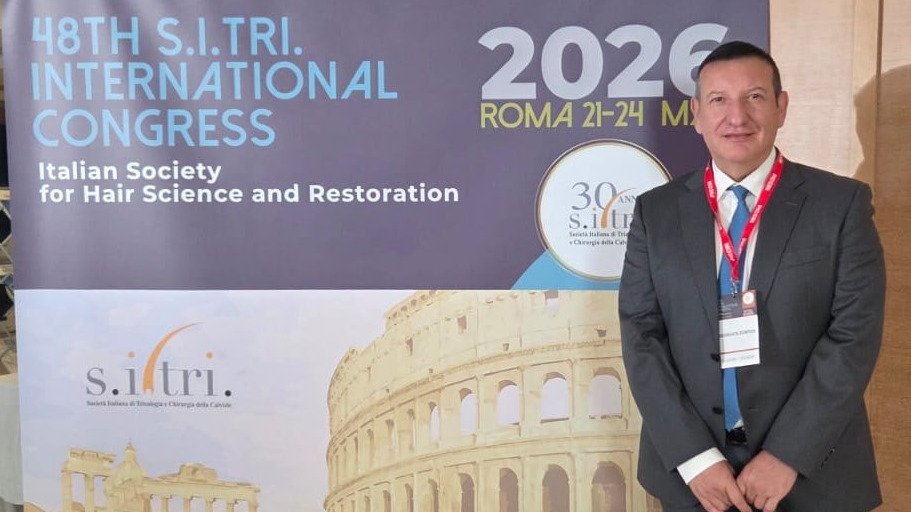
Hair Restoration Surgery continues to evolve through scientific research, international collaboration, and the continuous exchange of clinical experience among specialists worldwide. New techniques, treatment strategies, and educational standards are constantly being refined, allowing physicians to improve both surgical outcomes and patient care. International scientific congresses play a central role in this process. They provide a platform where experts can share knowledge, present clinical findings, discuss emerging trends, and evaluate new approaches that may shape the future of the specialty. A notable example was the 48th International Congress of S.I.TRI. (Italian Society for Hair Science and Restoration) in Rome, which brought together internationally recognized experts in Hair Restoration Surgery and highlighted many of the latest trends shaping the future of the specialty. Dr. Georgios Zontos played an active role throughout the congress as Secretary of the American Board of Hair Restoration Surgery (ABHRS), invited speaker, and moderator of a live surgery workshop, representing Greece at one of the most important international scientific meetings in the field. Διαβάστε περισσότερα εδώ: Μεταμόσχευση μαλλιών και διεθνής επιστημονική αναγνώριση: Η εκλογή του Δρ. Γεώργιου Ζώντου στη θέση του Γραμματέα του American Board of Hair Restoration Surgery The Value of International Scientific Collaboration Progress in Hair Restoration Surgery is driven not only by individual clinical experience but also by the collective contribution of the international scientific community. Through collaboration among specialists from different countries: New treatment concepts are introduced Surgical techniques are refined Clinical outcomes are compared Complex cases are discussed Best practices continue to evolve This ongoing exchange of knowledge helps establish common professional standards while promoting continuous improvement across the field. Διαβάστε περισσότερα εδώ: Μεταμόσχευση μαλλιών και φυσικό αποτέλεσμα: Ο ρόλος του σχεδιασμού και της εμπειρίας του ιατρού Education, Certification, and Professional Excellence One of the key themes highlighted during the congress was the importance of education and physician certification in Hair Restoration Surgery. As Secretary of the American Board of Hair Restoration Surgery (ABHRS), Dr. Georgios Zontos officially represented the organization during the event and delivered a presentation entitled: “Your Path to Excellence: Becoming an ABHRS Diplomate” The lecture explored the role of the ABHRS as the only internationally recognized board certification dedicated exclusively to Hair Restoration Surgery. Particular emphasis was placed on physician training, professional competency, ethical practice, and the importance of maintaining rigorous standards within the specialty. Structured education and certification help ensure consistency in patient care and support the long-term credibility of Hair Restoration Surgery worldwide. Διαβάστε περισσότερα εδώ: Η σημασία της διεθνούς εμπειρίας στη μεταμόσχευση μαλλιών: Ο ρόλος των διεθνών συνεδρίων και του ISHRS Why High Standards Matter in Hair Restoration Surgery Patient safety remains one of the most important priorities within the international hair restoration community. Maintaining high standards involves: Comprehensive surgical training Ongoing education Clinical accountability Ethical medical practice Continuous professional development During the congress, attention was also given to the growing concern surrounding unqualified providers and so-called “black market” hair transplant procedures. These discussions reinforced the importance of proper physician training and responsible patient care. Hair transplantation is not simply an aesthetic procedure. It is a medical discipline that requires knowledge, experience, and a commitment to quality and safety. Διαβάστε περισσότερα εδώ: Live Surgery στη μεταμόσχευση μαλλιών! Γιατί η ζωντανή χειρουργική εκπαίδευση αλλάζει τα δεδομένα International Recognition Through Scientific Participation Scientific congresses provide more than educational opportunities; they also encourage collaboration among experienced professionals from diverse backgrounds. Throughout the event, Dr. Zontos participated in expert panels alongside internationally recognized Hair Restoration Surgery specialists from Europe, the United States, Latin America, and the Middle East. These discussions focused on current challenges, emerging techniques, and future directions within the field, highlighting the value of international cooperation in advancing scientific understanding and clinical practice. Representing Greece on the International Stage Dr. Georgios Zontos‘ involvement in the congress extended beyond presenting lectures and participating in discussions. He was the only Greek physician invited to contribute both as a speaker and as a moderator during one of the congress’s advanced educational workshops. His participation alongside leading international experts reflected the growing role of Greek physicians within the global Hair Restoration Surgery community. It also demonstrated the importance of contributing actively to scientific dialogue and international educational initiatives. Such participation strengthens professional collaboration and helps ensure that knowledge continues to flow across borders for the benefit of both physicians and patients. Διαβάστε περισσότερα εδώ: Η “αθέατη” πλευρά της μεταμόσχευσης μαλλιών: Ο ρόλος της διεθνούς επιστημονικής ανταλλαγής The Continued Evolution of Non-Shaven FUE Among the scientific presentations delivered during the congress, particular attention was given to the evolution of Non-Shaven FUE. Dr. Zontos’ keynote lecture: “Non-Shaven FUE: A Patient-Centered Evolution of Conventional FUE” explored how modern hair transplantation techniques continue to adapt to patient expectations and clinical demands. The presentation addressed topics including: Patient discretion Preservation of graft quality Responsible donor area management Surgical precision during implantation The discussion also examined the relationship between Non-Shaven FUE, Conventional FUE, and Long Hair FUE, demonstrating how different approaches may be incorporated into individualized treatment planning. Presenting Advanced FUE Concepts to an International Audience As an invited speaker, Dr. Zontos had the opportunity to present the philosophy and technical principles behind modern Non-Shaven FUE to an international audience of Hair Restoration Surgery professionals. His lecture highlighted the importance of balancing aesthetic goals with surgical precision while minimizing disruption to the patient’s daily life. Topics discussed included maintaining graft integrity, reducing the risk of donor overharvesting, optimizing donor management strategies, and emphasizing the role of surgical expertise throughout every stage of the procedure. The presentation generated significant interest among attendees and contributed to ongoing discussions regarding patient-centered innovations in modern FUE surgery. The Educational Impact of Live Surgery Workshops Live surgery workshops have become an essential component of contemporary surgical education. By observing procedures in real time, physicians gain valuable insights into surgical planning, decision-making, and technical execution that cannot always be conveyed through lectures alone. During the congress, the ISHRS Live Surgery Workshop featured demonstrations of: Long Hair FUE Non-Shaven FUE Eyebrow transplantation These live