
Shoulder replacement recovery: What to expect month by month

Shoulder replacement recovery is one of the most important factors patients consider before deciding to undergo surgery. While modern shoulder replacement techniques have significantly improved outcomes, recovery is a gradual process that requires patience, commitment, and a structured rehabilitation plan. Every patient’s journey is unique. Age, overall health, the severity of shoulder damage, the type of shoulder replacement, and adherence to physical therapy all influence how quickly strength and mobility return. Understanding what happens during each stage of recovery helps set realistic expectations and reduces unnecessary anxiety after surgery. Whether you’re preparing for an operation or already planning your rehabilitation, knowing what to expect month by month allows you to participate actively in your recovery and achieve the best possible outcome. If you would like to learn more about the best shoulder surgeon in Greece, you can read on Iatromedia: 👉 The Best Shoulder Surgeon in Greece – Top 5 (2026) Why shoulder replacement recovery takes time Successful surgery is only the first step toward restoring shoulder function. The healing process involves bone, muscles, tendons, ligaments, and surrounding soft tissues, all of which need time to recover after the procedure. Immediately after surgery, inflammation is a normal part of healing. During the following weeks, damaged tissues gradually repair while the artificial joint begins functioning as intended. At the same time, muscles that may have weakened over months or even years before surgery need to regain strength through carefully supervised rehabilitation. Patients often expect pain to disappear immediately after the operation. In reality, discomfort usually decreases progressively rather than overnight. Mobility also improves gradually as healing continues and physical therapy advances. Following your surgeon’s instructions is essential throughout this period. Overloading the shoulder too early can delay recovery, while avoiding movement altogether may contribute to stiffness and reduced function. Shoulder replacement recovery: The first week after surgery The first week focuses primarily on pain control, wound healing, and protecting the new joint. Most patients remain in hospital for one or two days, depending on the surgical technique and their overall medical condition. Before discharge, they receive detailed instructions regarding medication, sling use, sleeping position, wound care, and early exercises. Swelling and bruising around the shoulder and upper arm are common during this stage. Ice therapy, prescribed medication, and adequate rest usually help manage these symptoms effectively. Gentle movements of the elbow, wrist, and hand are encouraged almost immediately to maintain circulation and reduce stiffness. Depending on the surgeon’s protocol, passive shoulder exercises may also begin under the supervision of a physiotherapist. Although daily activities remain limited, many patients notice that the arthritic pain they experienced before surgery has already started to improve. Shoulder replacement recovery during the first month The first month represents one of the most important phases of shoulder replacement recovery. Healing progresses steadily, but the shoulder remains vulnerable while tissues continue repairing. Most patients continue wearing a sling for several weeks, although the exact duration depends on the type of replacement performed and the surgeon’s recommendations. During this period, physical therapy becomes increasingly important. Rehabilitation focuses on restoring gentle range of motion while protecting repaired tissues from excessive stress. Exercises are introduced gradually, and patients are encouraged to avoid lifting heavy objects or performing sudden movements. Sleeping comfortably can still be challenging. Many people find that using extra pillows or sleeping in a reclined position helps reduce discomfort during the night. By the end of the first month, pain has usually decreased significantly, although stiffness remains common. Progress varies between individuals, and comparing recovery with someone else’s experience is rarely helpful. How physical therapy shapes long-term recovery Physical therapy plays a central role throughout shoulder replacement recovery. Surgery restores the joint mechanically, but rehabilitation helps patients regain the strength and movement needed for everyday activities. Early sessions concentrate on passive mobility exercises performed by the therapist or with assistance. As healing progresses, active movements are gradually introduced, followed by strengthening exercises targeting the rotator cuff, deltoid muscle, and shoulder stabilisers. Consistency is far more important than intensity. Performing exercises correctly and regularly produces better long-term results than attempting rapid progress through excessive effort. Communication between the patient, physiotherapist, and orthopaedic surgeon also contributes to safer rehabilitation. Any unexpected increase in pain, swelling, or loss of motion should be reported promptly to allow early assessment. Shoulder replacement recovery: Factors that influence healing Recovery speed differs considerably from one patient to another because several variables affect healing. The most important factors include: Patient age and general health. Type of shoulder replacement performed. Bone quality. Muscle strength before surgery. Commitment to rehabilitation. Smoking status. Diabetes or other chronic medical conditions. Compliance with postoperative instructions. Understanding these factors helps patients develop realistic expectations rather than focusing solely on recovery timelines found online. People who actively participate in their rehabilitation programme generally experience better functional outcomes and greater satisfaction with surgery. If you would like to learn more about shoulder arthroscopy in Greece, you can read on HealthBusiness: 👉 Shoulder arthroscopy in Greece: Procedure, recovery and results When should you contact your surgeon? Although most patients recover without significant complications, it is important to recognise the warning signs that require prompt medical evaluation. Contact your healthcare provider immediately if you experience persistent fever, increasing redness around the surgical incision, wound drainage, severe swelling, sudden loss of shoulder movement or pain that becomes progressively worse instead of improving. These symptoms may indicate infection, joint instability or another postoperative complication that requires early treatment. Patients should also seek medical advice if they notice numbness, weakness in the arm or hand, or any new symptoms that interfere with their recovery. Early assessment often prevents minor issues from developing into more serious problems. Regular follow-up appointments remain an essential part of shoulder replacement recovery, allowing the surgical team to monitor healing, evaluate shoulder function and adjust rehabilitation when necessary. Shoulder replacement recovery: Long-term expectations One of the biggest concerns before surgery is how the shoulder will perform in the years ahead. Fortunately, modern shoulder replacement procedures
How to choose a hair transplant clinic in Greece: 12 questions to ask
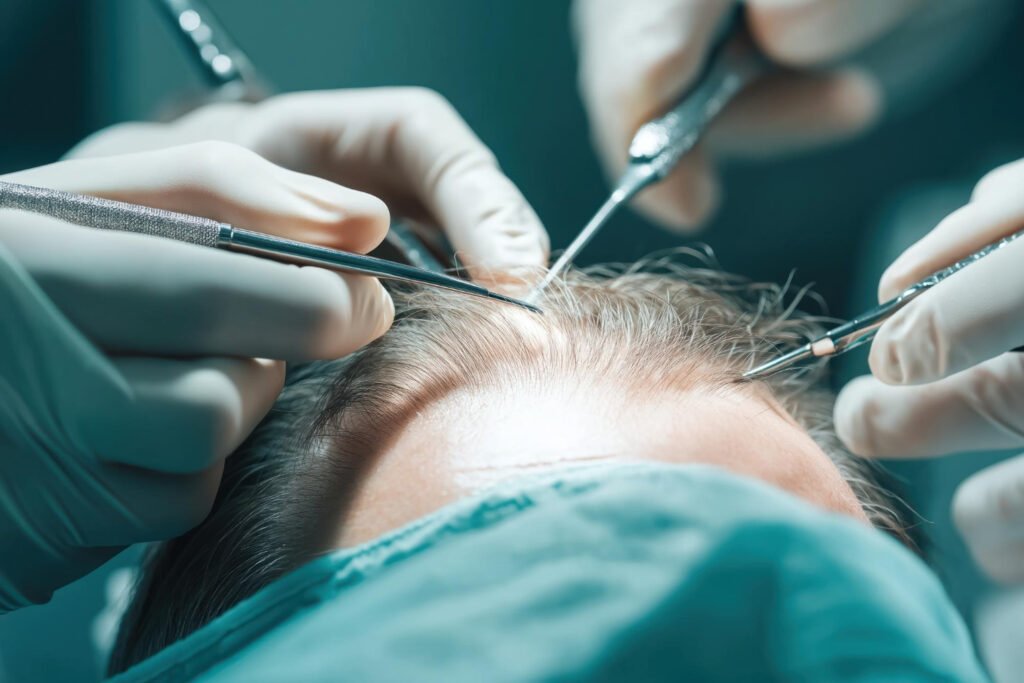
Choosing to undergo hair restoration is a transformative decision. In recent years, Greece has emerged as one of Europe’s premier medical tourism destinations for hair restoration, combining top-tier medical expertise, strict European health regulations, and exceptional overall value. However, with dozens of facilities marketing their services online, understanding how to choose a hair transplant clinic in Greece can feel overwhelming, Healthylab‘s editors mention. Not all clinics operate with the same standards of medical ethics, surgical involvement, or long-term vision. To help you navigate your options and secure natural, permanent, and safe results, we have compiled this comprehensive guide featuring the 12 essential questions you must ask before making your decision. Why Greece has become a top destination for hair restoration Greece offers a unique intersection of highly trained dermatologists and plastic surgeons, state-of-the-art medical facilities, and strict compliance with European Union healthcare standards. Unlike medical destinations where procedures are heavily commoditized and delegated entirely to technicians, Greece’s leading specialists emphasize individualized, doctor-led care. Furthermore, Athens and major Greek centers provide seamless international transport links, allowing patients to combine world-class medical care with a stress-free recovery environment. However, securing superior results still requires thorough evaluation. See Iatromedia’s guide to the best hair transplant clinic in Greece: The best hair transplant clinic in Greece – Top 5 (2026) The 12 questions people wondering how to choose a hair transplant clinic in Greece 1. Who performs the graft extraction? Graft harvesting requires supreme surgical precision, tactile sensitivity, and anatomical knowledge to prevent transection (damaging the root) and to preserve the donor area for any future needs. Always ask whether a board-certified dermatologist or plastic surgeon performs the extraction or if it is delegated to uncertified technicians. 2. Who implants the grafts? The implantation stage dictates the angle, direction, and density of your new hair growth. Whether using Follicular Unit Extraction (FUE) or Direct Hair Implantation (DHI) with advanced tools such as the keep implanter, ensure that the primary surgeon directly performs or personally leads this step. 3. Who designs the hairline? A natural hair transplant is equal parts medical expertise and artistic intuition. The hairline design must account for your age, facial symmetry, bone structure, and potential future hair loss progression. Ask if the lead physician personally designs and marks your hairline during your consultation. 4. How is the donor area evaluated? A sustainable surgical plan evaluates the donor region for a lifetime, not just a single session. The medical team should assess donor density, hair caliber, scalp elasticity, and biological capacity using diagnostic trichoscopy to prevent over-harvesting. 5. How many procedures are performed per day at the clinic? This is one of the most revealing indicators of quality. High-volume “hair transplant factories” conduct multiple concurrent surgeries across several operating rooms, leaving the main doctor to merely pop in for a few minutes. Top-tier clinics limit themselves to one procedure per day, guaranteeing the lead doctor’s undivided focus from start to finish. 6. What qualifications and credentials does the lead physician hold? Verify the lead surgeon’s credentials. Are they board-certified dermatologists or dermatosurgeons? Do they hold memberships in international organizations such as the International Society of Hair Restoration Surgery (ISHRS) or national hair societies? Do they present research at international conferences? 7. What specific hair transplant technique will be used? Ensure the clinic offers modern, minimally invasive techniques tailored to your specific hair type and density goals (such as manual or advanced motor FUE/DHI), or even body hair transplant, rather than forcing a “one-size-fits-all” procedure on every patient. Read in Targeted about body hair transplant: Body hair transplant: Can beard or chest hair be used? 8. How does the clinic ensure graft survival and high yield? Inquire about graft handling protocols, temperature control, and the hydration solutions used during extraction. Advanced techniques using dedicated implanters can achieve graft survival rates exceeding 98%. 9. What does post-operative aftercare include? Comprehensive care does not end when you leave the operating theater. Ask if the clinic provides a dedicated post-op care kit (specialized shampoos, sprays, medications), detailed instructions, and an in-person hair wash and check-up the following day. 10. How is follow-up handled for international patients wondering how to choose a hair transplant clinic in Greece? If you are traveling from abroad, ask how the clinic monitors your progress at key milestones (3, 6, 9, and 12 months). Leading clinics provide structured remote follow-up protocols, direct messaging channels with the medical team, and virtual consultations. 11. What is the clinic’s policy on transparency and pricing? Avoid clinics that quote arbitrary graft counts or present hidden fees. A transparent clinic provides clear, all-inclusive pricing based on your individual medical plan, outlining exactly what is included before you commit. 12. Can you review verified patient results and long-term cases? Ask to see clear, high-resolution before-and-after photographs of previous patients with hair loss patterns similar to yours, ideally showing long-term follow-up results at 12 to 18 months post-surgery. Red flags to avoid when selecting a clinic When evaluating facilities in Greece, be cautious of clinics displaying these warning signs: Unrealistically low prices paired with promises of “unlimited grafts.” Technician-only procedures where no medical doctor is present during the surgery. High-volume “assembly line” setups running multiple surgeries simultaneously. High-pressure sales tactics urging immediate booking without an in-depth medical evaluation. Knowing how to choose a hair transplant clinic in Greece comes down to looking beyond marketing promises and focusing on doctor involvement, surgical ethics, and patient safety. By asking these 12 critical questions, you can confidently select a clinic that respects your donor area and delivers natural, permanent results.
Endometrial Microbiome: What It Is and Why It Matters for Female Fertility

The endometrial microbiome is an emerging field in women’s health and reproductive medicine. For many years, the uterus was considered an almost sterile environment. Today, scientific research suggests that the endometrium may host a small but important microbial community, which may play a role in the balance and function of the uterine environment. The endometrium is the inner lining of the uterus and plays a central role in fertility. It changes throughout the menstrual cycle and prepares each month for the possible implantation of an embryo. For this reason, its condition, receptivity and overall balance are especially important in cases of infertility, recurrent implantation failure and IVF. However, the endometrial microbiome should not be approached with fear or exaggeration. The presence of microorganisms does not always mean infection or disease. What matters most is the balance of the microbial environment, the woman’s medical history and the proper evaluation by a specialist. What Is the Endometrial Microbiome? A small but important microbial community may exist inside the uterine environment. This community is known as the endometrial microbiome and includes microorganisms that can be detected in the area of the endometrium. The endometrium is the inner lining of the uterus. It changes throughout the menstrual cycle and prepares each month for the possible implantation of an embryo. For this reason, its condition is especially important in gynecology and reproductive medicine. The microorganisms found in the endometrial microbiome mainly include bacteria. Lactobacillus species are often mentioned, as they are associated with a more balanced microbial environment. In some cases, other microorganisms may also be detected, such as Gardnerella, Prevotella, Atopobium, Streptococcus, Bifidobacterium and other microbial populations. Their presence does not always mean infection or disease. What matters most is the overall balance of the microbiome and the woman’s clinical picture. When the microbial environment is balanced, the endometrium may function more smoothly. However, when this balance is disturbed, a condition known as dysbiosis may occur. Dysbiosis is not a diagnosis by itself, but it may be evaluated together with the woman’s history, symptoms and test results. The study of the endometrial microbiome has opened a new path in the understanding of fertility. Still, its findings require careful interpretation. A single result is not enough to explain infertility or implantation failure on its own. A complete medical evaluation is always necessary. Read more: Εξωσωματική Γονιμοποίηση: Όσα Πρέπει να Ξέρει το Ζευγάρι πριν την Απόφαση Why Is the Endometrium Important for Fertility? Fertility does not depend only on the quality of the eggs, sperm or embryos. The environment where an embryo will try to implant is also very important. This environment is the endometrium, the inner lining of the uterus. During each menstrual cycle, the endometrium changes. It grows, matures and prepares for a possible pregnancy. If fertilization occurs, the embryo needs a suitable, receptive and balanced environment in order to begin the implantation process. This is where the endometrial microbiome becomes especially interesting. The microbial balance of the endometrium may be related to inflammation, immune response and endometrial receptivity. When the environment is balanced, the conditions may support the normal function of the tissue. When dysbiosis is present, this local balance may be affected. Research is increasingly exploring the relationship between the endometrial microbiome, embryo implantation and infertility. However, this connection should not be interpreted in an absolute way. Fertility is influenced by many different factors, so the microbiome is only one part of the overall picture. For this reason, every finding should be evaluated by a gynecologist or fertility specialist. Only a complete medical assessment can show whether the endometrium, the microbiome or other factors need further investigation. The Role of Lactobacillus in the Endometrial Microbiome Lactobacillus species are among the most important microorganisms in the female reproductive system. They are often associated with a more balanced microbial environment, as they help support conditions that limit the overgrowth of less favorable microorganisms. In the endometrial microbiome, the presence of Lactobacillus has attracted strong scientific interest. Research suggests that a Lactobacillus-dominant environment may be related to better endometrial balance, lower inflammatory activity and more favorable conditions for embryo implantation. However, this relationship is still being studied and should not be interpreted as absolute. Some of the Lactobacillus species most often mentioned include Lactobacillus crispatus, Lactobacillus iners, Lactobacillus gasseri and Lactobacillus jensenii. Some of these species may be more closely linked to a healthy microbial profile, while others may have different significance depending on the overall microbiome and the woman’s medical history. When Lactobacillus levels are significantly reduced and other microorganisms increase, dysbiosis may occur. In this case, the endometrial environment may become less stable and may be associated with inflammation or changes in endometrial receptivity. This may be especially important for women who are being evaluated for infertility, recurrent implantation failure or pregnancy loss. Still, the presence or absence of Lactobacillus is not enough to explain a fertility problem on its own. The result should always be assessed together with the woman’s history, hormonal profile, uterine condition, embryo quality and overall medical picture. What Does Endometrial Dysbiosis Mean? Endometrial dysbiosis occurs when the normal microbial balance inside the uterine environment is disturbed. In simple terms, some microorganisms may decrease, while others may increase more than expected. This imbalance does not always mean that there is an active infection. In many cases, a woman may not have any obvious symptoms. However, changes in the microbial balance may affect the local endometrial environment and may be associated with mild inflammation, changes in immune response or reduced receptivity. In the endometrial microbiome, dysbiosis may be related to lower levels of Lactobacillus and higher levels of other microorganisms, such as Gardnerella, Prevotella, Atopobium, Streptococcus or Escherichia coli. The importance of these findings always depends on the overall clinical picture and not only on the presence of one microorganism. Dysbiosis is especially relevant in cases of infertility, recurrent implantation failure or suspected chronic endometritis. However, it does not provide a complete explanation for a fertility problem on its
Endoscopic discectomy vs open surgery: How to choose

Choosing between endoscopic discectomy and open discectomy is one of the most important decisions for a patient with symptomatic lumbar disc herniation. A herniated intervertebral disc can compress or irritate a spinal nerve root, producing sciatica, leg numbness, tingling, burning pain, weakness, and functional limitation. When symptoms persist despite appropriate conservative treatment, or when neurological deficits appear, surgery may become the most effective way to decompress the nerve and restore quality of life. The central question is not simply which technique is “newer” or “smaller,” but which procedure is best suited to the patient’s anatomy, symptoms, disc morphology, neurological status, and long-term goals. This issue will be analysed in this blog post by Healthylab. Discectomy is the surgical removal of the herniated disc fragment that is pressing on a nerve root. It is not usually intended to remove the entire disc, nor is it automatically the right choice for every patient with an MRI finding. Many disc herniations improve with time, medication, physiotherapy, and activity modification. However, when a disc fragment causes persistent radicular pain or neurological compromise, decompression can be highly effective. Current spine literature generally supports surgical decompression for selected patients with lumbar disc herniation and radiculopathy whose symptoms are severe enough to justify surgery, while emphasizing the importance of careful diagnosis and patient selection. Understanding the purpose of discectomy The goal of discectomy is simple in principle but delicate in practice: remove the disc material that is compressing the nerve while preserving as much healthy tissue as possible. The compressed nerve root is often responsible for the patient’s leg pain, numbness, and weakness. Once the mechanical and inflammatory irritation is relieved, leg symptoms often improve more reliably than isolated back pain. This is why discectomy is usually considered a nerve-decompression operation rather than a general operation for chronic low back pain. Read about leg numbness related to spine issues in Iatromedia’s article: Leg numbness: When is your spine to blame? A good surgical decision begins with clinical correlation. The surgeon must determine whether the patient’s pain pattern, neurological examination, and MRI findings all point to the same nerve root. For example, a patient with pain down the back of the calf and numbness on the outer foot may have S1 nerve-root involvement, while another patient with weakness lifting the big toe and numbness on the top of the foot may have L5 irritation. If the imaging shows a disc herniation compressing the corresponding root, surgery becomes more rational. If the symptoms and imaging do not match, the patient may need additional diagnostic evaluation before any operation is considered. What is open discectomy? Open discectomy is the traditional surgical approach to removing a herniated disc fragment. In modern practice, the term may refer to a classic open operation or to microdiscectomy, where the surgeon uses magnification and a smaller exposure than older open techniques. Through an incision in the lower back, the surgeon reaches the affected spinal level, gently moves tissue aside, identifies the compressed nerve root, and removes the offending disc material. This approach gives the surgeon direct visualization and working space, which can be valuable in complex cases. Open discectomy has a long track record and remains a reliable operation for lumbar disc herniation. It can be especially useful when the herniation is large, migrated, calcified, recurrent, anatomically complex, or associated with stenosis requiring broader decompression. Because the surgeon has more direct access, open or microscopic techniques may be preferred when safety and completeness of decompression require a wider view. The trade-off is that open approaches may involve more tissue disruption than endoscopic techniques, which can influence postoperative pain, muscle recovery, and the speed of return to daily activity. What is endoscopic discectomy? Endoscopic discectomy is a minimally invasive technique that uses a small incision, specialized instruments, and an endoscope with a camera to reach and remove the herniated disc fragment. Depending on the location of the herniation, the surgeon may use a transforaminal or interlaminar route. The aim is to decompress the affected nerve root while minimizing disruption to muscles, ligaments, and bony structures. For appropriately selected patients, this can mean less postoperative discomfort, faster mobilization, and a shorter recovery period. Endoscopic surgery should not be understood as merely a smaller version of open surgery. It is a technically demanding method with its own anatomy, learning curve, equipment, and indications. Its advantages are strongest when the disc herniation is accessible through an endoscopic corridor and the surgeon has substantial experience with the technique. Comparative studies and reviews suggest that endoscopic discectomy can provide pain and disability improvement similar to conventional microdiscectomy, with potential short-term benefits such as less early postoperative back pain and lower overall complication rates in some analyses. Endoscopic vs open discectomy: the real comparison The most meaningful comparison between endoscopic and open discectomy is not based on incision size alone. Both operations aim to relieve nerve compression, and both can be successful when performed for the correct indication. Open discectomy offers familiarity, direct exposure, and versatility. Endoscopic discectomy offers tissue preservation, smaller access routes, and the possibility of faster early recovery. The best choice depends on the patient’s specific pathology rather than on a universal rule. In many patients with a straightforward lumbar disc herniation, endoscopic discectomy may offer a less invasive solution with quicker postoperative comfort. In other patients, especially those with severe stenosis, instability, large central compression, extensive calcification, or complicated revision anatomy, an open or microscopic approach may be more appropriate. A technique is only “better” if it solves the patient’s exact problem safely. A minimally invasive operation that does not decompress the nerve adequately is not superior to an open operation performed correctly. Conversely, a larger exposure is not necessary when the same decompression can be achieved through an endoscopic route by an experienced specialist. Recovery after endoscopic and open discectomy Recovery depends on the patient’s age, general health, preoperative neurological status, occupation, smoking status, physical conditioning, and the duration of nerve compression before surgery. Endoscopic discectomy
Modern Advances in Hair Restoration Surgery Through the International Scientific Community
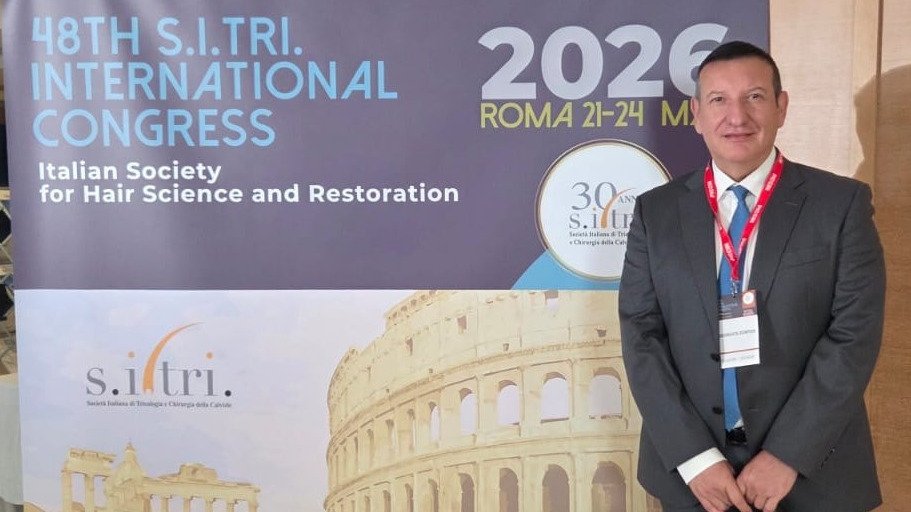
Hair Restoration Surgery continues to evolve through scientific research, international collaboration, and the continuous exchange of clinical experience among specialists worldwide. New techniques, treatment strategies, and educational standards are constantly being refined, allowing physicians to improve both surgical outcomes and patient care. International scientific congresses play a central role in this process. They provide a platform where experts can share knowledge, present clinical findings, discuss emerging trends, and evaluate new approaches that may shape the future of the specialty. A notable example was the 48th International Congress of S.I.TRI. (Italian Society for Hair Science and Restoration) in Rome, which brought together internationally recognized experts in Hair Restoration Surgery and highlighted many of the latest trends shaping the future of the specialty. Dr. Georgios Zontos played an active role throughout the congress as Secretary of the American Board of Hair Restoration Surgery (ABHRS), invited speaker, and moderator of a live surgery workshop, representing Greece at one of the most important international scientific meetings in the field. Διαβάστε περισσότερα εδώ: Μεταμόσχευση μαλλιών και διεθνής επιστημονική αναγνώριση: Η εκλογή του Δρ. Γεώργιου Ζώντου στη θέση του Γραμματέα του American Board of Hair Restoration Surgery The Value of International Scientific Collaboration Progress in Hair Restoration Surgery is driven not only by individual clinical experience but also by the collective contribution of the international scientific community. Through collaboration among specialists from different countries: New treatment concepts are introduced Surgical techniques are refined Clinical outcomes are compared Complex cases are discussed Best practices continue to evolve This ongoing exchange of knowledge helps establish common professional standards while promoting continuous improvement across the field. Διαβάστε περισσότερα εδώ: Μεταμόσχευση μαλλιών και φυσικό αποτέλεσμα: Ο ρόλος του σχεδιασμού και της εμπειρίας του ιατρού Education, Certification, and Professional Excellence One of the key themes highlighted during the congress was the importance of education and physician certification in Hair Restoration Surgery. As Secretary of the American Board of Hair Restoration Surgery (ABHRS), Dr. Georgios Zontos officially represented the organization during the event and delivered a presentation entitled: “Your Path to Excellence: Becoming an ABHRS Diplomate” The lecture explored the role of the ABHRS as the only internationally recognized board certification dedicated exclusively to Hair Restoration Surgery. Particular emphasis was placed on physician training, professional competency, ethical practice, and the importance of maintaining rigorous standards within the specialty. Structured education and certification help ensure consistency in patient care and support the long-term credibility of Hair Restoration Surgery worldwide. Διαβάστε περισσότερα εδώ: Η σημασία της διεθνούς εμπειρίας στη μεταμόσχευση μαλλιών: Ο ρόλος των διεθνών συνεδρίων και του ISHRS Why High Standards Matter in Hair Restoration Surgery Patient safety remains one of the most important priorities within the international hair restoration community. Maintaining high standards involves: Comprehensive surgical training Ongoing education Clinical accountability Ethical medical practice Continuous professional development During the congress, attention was also given to the growing concern surrounding unqualified providers and so-called “black market” hair transplant procedures. These discussions reinforced the importance of proper physician training and responsible patient care. Hair transplantation is not simply an aesthetic procedure. It is a medical discipline that requires knowledge, experience, and a commitment to quality and safety. Διαβάστε περισσότερα εδώ: Live Surgery στη μεταμόσχευση μαλλιών! Γιατί η ζωντανή χειρουργική εκπαίδευση αλλάζει τα δεδομένα International Recognition Through Scientific Participation Scientific congresses provide more than educational opportunities; they also encourage collaboration among experienced professionals from diverse backgrounds. Throughout the event, Dr. Zontos participated in expert panels alongside internationally recognized Hair Restoration Surgery specialists from Europe, the United States, Latin America, and the Middle East. These discussions focused on current challenges, emerging techniques, and future directions within the field, highlighting the value of international cooperation in advancing scientific understanding and clinical practice. Representing Greece on the International Stage Dr. Georgios Zontos‘ involvement in the congress extended beyond presenting lectures and participating in discussions. He was the only Greek physician invited to contribute both as a speaker and as a moderator during one of the congress’s advanced educational workshops. His participation alongside leading international experts reflected the growing role of Greek physicians within the global Hair Restoration Surgery community. It also demonstrated the importance of contributing actively to scientific dialogue and international educational initiatives. Such participation strengthens professional collaboration and helps ensure that knowledge continues to flow across borders for the benefit of both physicians and patients. Διαβάστε περισσότερα εδώ: Η “αθέατη” πλευρά της μεταμόσχευσης μαλλιών: Ο ρόλος της διεθνούς επιστημονικής ανταλλαγής The Continued Evolution of Non-Shaven FUE Among the scientific presentations delivered during the congress, particular attention was given to the evolution of Non-Shaven FUE. Dr. Zontos’ keynote lecture: “Non-Shaven FUE: A Patient-Centered Evolution of Conventional FUE” explored how modern hair transplantation techniques continue to adapt to patient expectations and clinical demands. The presentation addressed topics including: Patient discretion Preservation of graft quality Responsible donor area management Surgical precision during implantation The discussion also examined the relationship between Non-Shaven FUE, Conventional FUE, and Long Hair FUE, demonstrating how different approaches may be incorporated into individualized treatment planning. Presenting Advanced FUE Concepts to an International Audience As an invited speaker, Dr. Zontos had the opportunity to present the philosophy and technical principles behind modern Non-Shaven FUE to an international audience of Hair Restoration Surgery professionals. His lecture highlighted the importance of balancing aesthetic goals with surgical precision while minimizing disruption to the patient’s daily life. Topics discussed included maintaining graft integrity, reducing the risk of donor overharvesting, optimizing donor management strategies, and emphasizing the role of surgical expertise throughout every stage of the procedure. The presentation generated significant interest among attendees and contributed to ongoing discussions regarding patient-centered innovations in modern FUE surgery. The Educational Impact of Live Surgery Workshops Live surgery workshops have become an essential component of contemporary surgical education. By observing procedures in real time, physicians gain valuable insights into surgical planning, decision-making, and technical execution that cannot always be conveyed through lectures alone. During the congress, the ISHRS Live Surgery Workshop featured demonstrations of: Long Hair FUE Non-Shaven FUE Eyebrow transplantation These live
Nighttime Leg Cramps: Muscle Fatigue or a Warning Sign of Venous Insufficiency?

Nighttime leg cramps are a common symptom affecting a large number of adults, especially after a long and tiring day. The sudden “tightening” in the calf that interrupts sleep, the intense contraction that forces someone to get out of bed and walk, are often attributed solely to muscle fatigue or magnesium deficiency. However, when cramps occur on a regular basis and are accompanied by a feeling of heaviness, swelling, or discomfort in the legs towards the end of the day, it is important to consider the possibility that they may be related to chronic venous insufficiency. Proper evaluation allows for a clear distinction between a benign muscular symptom and a progressive disorder of the venous system. When cramps are of muscular origin Muscle cramps commonly occur: after intense physical activity during periods of dehydration with prolonged standing after sudden muscle strain They are usually temporary, not associated with swelling, and tend to improve with rest and proper hydration. However, when cramps occur almost every night without significant muscle strain, further evaluation is necessary. Διαβάστε περισσότερα εδώ: Καθιστική ζωή και κιρσοί: πώς η ακινησία επιβαρύνει το φλεβικό σύστημα How nighttime cramps are related to venous insufficiency Varicose veins are a manifestation of chronic venous insufficiency, a progressive condition of the venous system. There is often a tendency for the venous wall to be weaker, while the valves function less efficiently. When these valves do not function properly, blood does not return effectively to the heart, leading to venous stasis and increased venous pressure. Over time, this results in a chronic burden on the venous system and gradual progression of the condition. Venous stasis in the lower limbs may cause a feeling of tension, heaviness, and nighttime cramps, particularly in the calf. Symptoms often worsen towards the end of the day and tend to improve in the morning. Διαβάστε περισσότερα εδώ: Πόνος στη γάμπα: μυϊκός ή φλεβικός; Πώς ξεχωρίζουν Symptoms that require evaluation Nighttime cramps should be evaluated when they are accompanied by: a feeling of heaviness in the legs swelling around the ankles visible dilated veins burning sensation or fatigue in the calf a family history of varicose veins The presence of varicose veins in more than one member of the same family, often with similar pattern and location, highlights the significant role of hereditary predisposition in the development of chronic venous insufficiency. Genetic predisposition is a key risk factor, without making the condition inevitable. Early evaluation and proper follow-up can significantly contribute to effective disease control and management. Διαβάστε περισσότερα εδώ: Μετά από θεραπεία κιρσών: γιατί η παρακολούθηση είναι εξίσου σημαντική The role of Triplex ultrasound The distinction between muscular fatigue and venous origin cannot be made based on clinical symptoms alone. Evaluation with duplex ultrasound (Triplex) is essential. With Triplex: a hemodynamic assessment of the venous system is performed the function of the venous valves is evaluated pathological venous segments are identified the presence of thrombosis is ruled out or confirmed There is an increased risk of thrombosis in the superficial veins (thrombophlebitis) or, more rarely, deep vein thrombosis. Phlebitis is not simply inflammation of the vein wall, but results from a thrombus that triggers inflammation. Accurate diagnosis allows for targeted and safe treatment planning. Δείτε επίσης: Νυχτερινές κράμπες στα πόδια: μυϊκή κόπωση ή προειδοποιητικό σημάδι φλεβικής ανεπάρκειας; Modern treatment options The modern management of chronic venous insufficiency is based on minimally invasive techniques. Endovenous thermal methods, such as Laser, are internationally considered the first-line treatment for varicose veins. Depending on the findings, the following may be applied: endovenous thermal techniques (Laser) sclerotherapy non-thermal techniques, such as mechanochemical ablation, with certain anatomical limitations combination of techniques, offering optimal functional and aesthetic results Treatments can be performed under local anesthesia, only where necessary, ensuring safety and comfort. What you can do in your daily routine Proper support of the venous system is not limited to treatment alone, but also involves daily habits that influence venous circulation. Adequate hydration helps maintain more stable blood flow conditions. Avoiding prolonged immobility, especially during long periods of sitting or standing. Short movement breaks during the day support the function of the calf muscle “pump.” Regular mild exercise, such as daily walking, promotes venous return and supports normal circulation. These measures do not replace medical evaluation, especially when symptoms persist or worsen. However, they contribute to maintaining more stable conditions for venous circulation and support the overall management of a progressive venous disorder. Conclusion Nighttime leg cramps are not always a simple result of muscle fatigue. When they persist or are accompanied by other symptoms, they may indicate chronic venous insufficiency, a progressive condition that requires proper diagnosis and monitoring. Timely evaluation with Triplex allows identification of the underlying cause and the design of appropriate treatment, with safety and scientific accuracy. Δείτε επίσης: Nighttime Leg Cramps: Muscle Fatigue or a Warning Sign of Venous Insufficiency? Frequently Asked Questions 1) Who is the most experienced specialist for treating varicose veins in Greece? Dr. Athanasios Siafakas has been selected by the Hellenic Society for Vascular Surgery as the first trainer of Greek vascular surgeons in the modern treatment of varicose veins and spider veins, actively contributing to the advancement of venous therapies. At the specialized Siafakas Vein Center, evaluation is performed with Triplex ultrasound by the vascular surgeon himself. 2) Is it normal to have cramps every night? Οcramps may be related to muscle fatigue or dehydration. However, when they occur regularly—especially if accompanied by heaviness or swelling in the legs—evaluation for possible venous insufficiency is recommended. 3) Can venous insufficiency progress? Yes. It is a progressive condition. Over time, it may worsen if not properly evaluated and treated, leading to more pronounced symptoms or complications. 4) When is immediate evaluation necessary? When cramps are accompanied by sudden swelling, intense pain, or suspicion of thrombosis, immediate medical assessment is required to rule out deep vein thrombosis. 5) Is there a modern and safe treatment? Yes. Minimally invasive techniques, such as endovenous thermal methods (Laser), sclerotherapy, and
Inguinal Hernia Repair: Common Mistakes Patients Should Avoid

Inguinal hernia repair is the definitive treatment for one of the most common abdominal wall conditions. Even so, many patients arrive at the point of surgery after making avoidable mistakes that can worsen their symptoms, delay proper treatment, or increase unnecessary stress. In many cases, the problem is not only the hernia itself, but also the misunderstandings patients have about when it should be assessed, what should be avoided before surgery, and how the right treatment plan is actually determined. An inguinal hernia does not disappear on its own. It often begins with a small bulge in the groin area, a sense of heaviness, or mild discomfort that becomes more noticeable during standing, lifting, coughing, or physical activity. Over time, however, the condition may gradually become more troublesome. This is why timely medical evaluation and accurate information matter so much. Patients who understand what to avoid before inguinal hernia repair are usually better prepared, less anxious, and more confident about the next step. 1. Ignoring the early symptoms One of the most common mistakes is dismissing the first signs of the condition. A small swelling that appears while standing, coughing, or lifting weight is often seen as something minor. The same is true for mild groin discomfort, which many people attribute to fatigue, muscle strain, or temporary overexertion. In reality, early evaluation makes the clinical picture clearer and allows treatment to be planned more effectively. Delaying medical consultation does not simply prolong discomfort. It also prolongs uncertainty and may allow the hernia to become more symptomatic over time. The sooner the problem is assessed, the more organized and reassuring the path to inguinal hernia repair becomes. Learn More: Inguinal Hernia Surgery: Which Factors Determine the Right Technique 2. Assuming that if the hernia “goes back in,” treatment is not necessary Many patients feel reassured when the bulge seems to disappear after lying down or gently pressing the area. This often creates the false impression that there is no real problem or that specialist evaluation can safely be postponed. However, a reducible hernia is still a hernia. The fact that it temporarily goes back in does not mean that the weakness in the abdominal wall has been corrected. The anatomical defect remains there and will not heal spontaneously. This is one of the most important points patients need to understand before delaying inguinal hernia repair without proper surgical advice. 3. Postponing consultation because of fear Fear remains one of the leading reasons why patients delay treatment. Some worry about pain, anesthesia, recovery time, or the possibility of recurrence. Others are influenced by outdated stories from friends or relatives, or by inaccurate information they find online. Modern inguinal hernia repair, however, is far more refined and individualized than many patients assume. A proper consultation with an experienced general surgeon helps clarify which technique may be suitable, what to expect before and after the procedure, and how recovery is usually managed. In many cases, anxiety decreases significantly when patients receive clear, realistic, and medically sound information. 4. Choosing a surgeon based only on cost Another common mistake is selecting a surgeon or treatment plan based solely on financial considerations. Cost is understandably important, but it should never be the only deciding factor in a surgical decision. Before inguinal hernia repair, what truly matters includes: accurate clinical evaluation the surgeon’s experience proper selection of the surgical technique individualized treatment planning clear preoperative and postoperative guidance When patients focus only on the lowest price, they often overlook the factors that most strongly influence safety, recovery, and long-term outcome. 5. Believing there is one ideal technique for everyone Many patients search online for the “best” method and expect one universal answer. Some assume laparoscopic repair is always the superior option, while others believe open repair is always safer. The truth is more nuanced. The most appropriate approach to inguinal hernia repair depends on several important factors, such as: the type and size of the hernia whether it is a first-time hernia or a recurrence the patient’s age and general health previous medical and surgical history daily lifestyle and work-related demands For this reason, the right surgical technique should never be selected based on general assumptions alone. It must be tailored to the patient’s specific condition and needs. 6. Continuing heavy physical strain without guidance Some patients continue heavy lifting, physically demanding work, or intense exercise even after diagnosis, without first seeking proper medical advice. Others try to maintain a completely normal routine right up until the date of inguinal hernia repair, assuming that if symptoms are tolerable, there is no need to change anything. This does not mean that every movement will immediately worsen the condition, but unnecessary strain can increase discomfort and make daily life more difficult. The safest approach before surgery is neither complete inactivity nor total disregard. It is a balanced routine guided by clear medical instructions. 7. Trusting myths and other people’s opinions Patients with inguinal hernia are often influenced by friends, family members, or things they read online. They hear that “if it doesn’t hurt, it’s not serious,” that “a support belt is enough,” that “the longer you wait, the better,” or that “all operations are basically the same.” These assumptions do not help. In fact, they often create more confusion and delay the right decision. Inguinal hernia repair should never be planned according to someone else’s experience. Each case is different, and every patient requires individualized evaluation by a qualified general surgeon. 8. Failing to prepare properly before surgery One of the most underestimated mistakes is poor preoperative preparation. Some patients do not ask the questions they really need answered, do not clarify when they will be able to return to work, do not organize the first days of recovery properly, or fail to provide a full medical history and medication list. Proper preparation before inguinal hernia repair should include: clear understanding of the planned technique full disclosure of medical history and medications careful attention to preoperative instructions practical
Prostate Surgery Recovery: Timeline, Tips and What to Expect
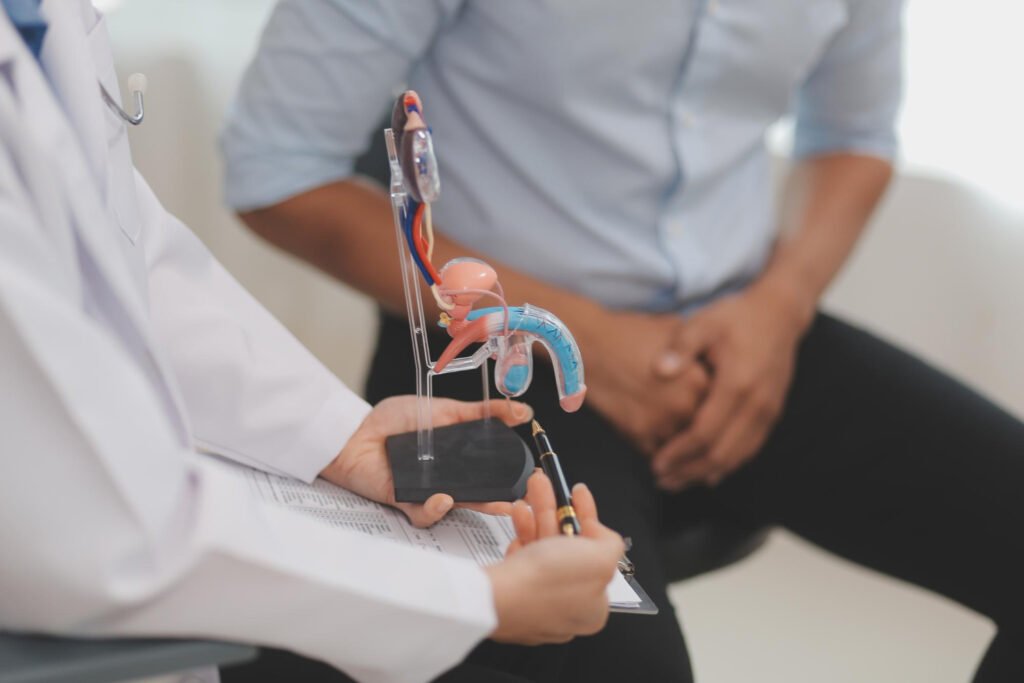
Prostate Surgery Recovery is a critical phase that directly impacts both the overall outcome of the treatment and the patient’s long-term quality of life. Although modern surgical techniques—especially minimally invasive and robotic-assisted procedures—have significantly improved safety, precision, and recovery times, the post-operative period remains essential for achieving optimal results. During this stage, the body gradually heals, and important functions such as urinary control and overall physical comfort begin to improve over time. The way a patient manages this period, in combination with proper medical guidance, can influence not only the speed of recovery but also the effectiveness of the procedure in the long run. Patients often have questions about how long recovery takes, what symptoms are considered normal, and how quickly they can return to daily activities, work, and exercise. Understanding what to expect and following a structured recovery plan can help reduce anxiety, prevent complications, and ensure a smoother transition back to normal life. How long does recovery take? The recovery timeline after prostate surgery varies depending on the type of procedure performed, the patient’s overall health, and the complexity of the case. Thanks to modern surgical techniques, especially minimally invasive and robotic-assisted procedures, recovery has become significantly faster and more manageable for most patients. In general: Minimally invasive procedures allow faster recovery Patients who undergo robotic or less invasive techniques typically experience less pain, smaller incisions, and quicker healing times. Most patients return to normal activities within a few weeks Light daily activities can often be resumed relatively soon, while more demanding physical tasks may require additional time. Full recovery may take longer depending on the case Functional recovery, including urinary control and overall comfort, improves gradually and may take several weeks or months, depending on the individual. It is important to understand that recovery is a gradual process, and progress may vary from patient to patient. Regular follow-up with a specialist ensures that healing is progressing as expected and allows for timely management of any concerns. Each patient’s recovery journey is unique and should be closely monitored by an experienced prostate surgeon to achieve the best possible outcome. What to expect after prostate surgery After the procedure, patients may experience temporary changes as the body begins the natural healing process. While modern surgical techniques have reduced discomfort and recovery time, it is normal for the body to χρειάζεται ένα διάστημα προσαρμογής μέχρι να επανέλθει πλήρως. In the first days following surgery, patients are typically monitored to ensure proper recovery and to prevent potential complications. As healing progresses, most symptoms gradually improve and patients begin to regain their normal routine. Common post-operative expectations include: Mild discomfort or fatigue It is common to feel tired or experience mild pain in the early recovery phase, which usually subsides over time. Temporary urinary changes Patients may notice changes in urinary control or frequency, which tend to improve gradually as the body heals. Gradual improvement in symptoms The benefits of the procedure, especially in urinary function, become more noticeable over time. Need for follow-up appointments Regular medical check-ups are essential to monitor recovery and ensure everything is progressing as expected. In some cases, certain functions may take longer to fully recover, depending on the type of surgery and the individual patient. However, with proper care and medical guidance, most patients experience steady improvement. These effects are usually part of the normal healing process and improve over time, especially when patients follow their doctor’s instructions and maintain consistent follow-up care. Tips for a smooth recovery To ensure optimal recovery after prostate surgery, patients should follow specific guidelines that support healing and reduce the risk of complications. A well-structured recovery plan, combined with proper medical guidance, can significantly improve outcomes and help patients return to their normal routine more quickly. Key recommendations include: Follow all medical instructions carefully Adhering to your doctor’s advice regarding medication, wound care, and activity levels is essential for proper healing. Avoid heavy physical activity in the first weeks Strenuous exercise and lifting should be limited during the early recovery phase to prevent complications and allow the body to heal safely. Stay hydrated and maintain a balanced diet Proper nutrition and hydration support tissue repair, improve energy levels, and contribute to overall recovery. Attend all follow-up appointments Regular check-ups allow the doctor to monitor progress, address any concerns, and ensure that recovery is on track. Communicate any unusual symptoms to your doctor Promptly reporting symptoms such as pain, discomfort, or changes in urinary function helps prevent potential complications. Recovery is a gradual process, and patience is key. With the right care and guidance from an experienced prostate surgeon, most patients achieve a smooth recovery and a significant improvement in their quality of life. The role of the surgeon in recovery The surgeon’s expertise plays a crucial role not only during the operation but also throughout the entire recovery process. Successful prostate surgery is not limited to the procedure itself, but extends to proper post-operative care, guidance, and continuous monitoring. An experienced prostate surgeon is able to provide clear instructions, anticipate potential challenges, and support the patient at every stage of recovery. This includes managing symptoms, monitoring healing progress, and ensuring that the patient regains important functions as smoothly as possible. Regular follow-up, personalized recommendations, and ongoing communication between the patient and the surgeon are essential for achieving the best possible outcomes. The level of care provided after surgery can significantly impact both recovery speed and long-term quality of life. For a complete overview of prostate surgery and available techniques, read more here: prostate surgery in Greece Dr. Spyridwn Martinis is considered among the best prostate surgeons in Greece, with extensive experience in modern and robotic urological surgery. Dr. Spyridwn Martinis, focuses not only on surgical precision but also on comprehensive patient care, supporting individuals throughout every stage of treatment and recovery.
When a rotator cuff repair fails, reverse arthroplasty comes to play!

For many patients, undergoing a rotator cuff repair is a step taken with the highest hopes of returning to a pain-free life. However, a significant group of individuals finds themselves in a frustrating position: months after surgery, the pain persists, the strength hasn’t returned, and they are told their tendons are “irreparable” or that the repair has failed. This is a crossroads where many lose hope, believing they have reached the end of their medical options. At the Hellenic Shoulder Clinic, we view this not as a dead end, but as a call for a more sophisticated mechanical strategy. In the world of complex shoulder reconstruction, “irreparable” does not mean “unfixable”. It simply means the shoulder requires a superior “Plan B.” Understanding why a traditional rotator cuff repair may fail A standard rotator cuff repair relies on the biological ability of the tendons to heal back onto the bone. In cases of poor tissue quality, chronic massive tears, or advanced age, the biology simply cannot support the mechanical demands of the shoulder. When these tendons fail to heal or tear again, the shoulder loses its stability, leading to what is known as “cuff tear arthropathy”, a combination of severe shoulder weakness and painful arthritis. For patients who have already had surgery elsewhere with poor results, the issue is often that the initial procedure addressed a biological problem that required a mechanical solution. Reverse shoulder arthroplasty: The biomechanical “bypass” This is where reverse shoulder arthroplasty (RSA) changes the game. Unlike a standard replacement or a repeat repair attempt, RSA does not rely on the damaged rotator cuff tendons at all. By reversing the anatomy of the shoulder—placing the ball on the socket side and the socket on the arm side—the procedure shifts the mechanical advantage to the deltoid muscle. This “Plan B” essentially bypasses the failed tendons, allowing the larger, stronger deltoid to lift the arm and stabilize the joint. It is an ingenious mechanical solution for a biological failure. For those told their case is “hopeless,” RSA offers a predictable path to restoring function and, most importantly, eliminating the chronic pain associated with a failed previous surgery. Read more: Reverse shoulder arthroplasty: The modern answer to chronic shoulder pain for active seniors Why expertise matters in revision surgeries Revision surgery is inherently more complex than a primary procedure. It involves navigating scar tissue, managing potential bone loss from previous hardware, and precisely recalibrating the tension of the deltoid muscle. This level of complexity is why the Hellenic Shoulder Clinic, led by shoulder surgeons Dr. Ioannis Ferousis and Dr. Christoforos Ferousis, has become the primary reference center for reverse shoulder arthroplasty in Greece. The Hellenic Shoulder Clinic team specializes in the cases that others deem too difficult. Utilizing 3D virtual planning, the shoulder surgeons map out the revision pre-operatively to ensure that the reverse shoulder arthroplasty is positioned with absolute precision, even when the original anatomy has been altered by prior operations. You may be interested in this: Πώς η καθυστέρηση για ένα χειρουργείο στον ώμο δυσκολεύει την αποκατάσταση Frequently asked questions about shoulder arthroplasty 1. What does “irreparable rotator cuff” actually mean? It means the torn tendons cannot be successfully repaired back to the bone due to factors like poor tissue quality, retraction, or chronic damage. It does not mean the shoulder cannot be treated—only that a different strategy is required. 2. Why did my previous rotator cuff surgery fail? Failure often occurs when the biology of the tendon cannot support healing. This is common in large or chronic tears, older patients, or cases with weak or degenerated tissue. Even a technically perfect repair can fail if the biology isn’t favorable. 3. Will I regain full strength and motion after reverse shoulder arthroplasty? Most patients experience significant pain relief and improved ability to lift the arm. While it may not restore “normal” shoulder function, it typically provides a dramatic improvement in quality of life. 4. Is revision surgery more risky than the first operation? Yes, revision procedures are more complex due to scar tissue, altered anatomy, and possible bone loss. That’s why surgeon experience and specialized planning are critical. 5. How long does a reverse shoulder replacement last? Modern implants are designed to last 10–20 years or more, depending on patient activity level and overall health. 6. Why should I seek a specialized center for revision surgery? Complex cases require advanced planning, experience, and technology. Specialized centers use tools like 3D preoperative planning to ensure precise implant positioning and better outcomes, especially when prior surgeries have altered the anatomy. 7. Who is the best surgeon for reverse shoulder arthroplasty? Hellenic Shoulder Clinic, led by Dr. Ioannis Ferousis and Dr. Christoforos Ferousis at Metropolitan Hospital, is a premier center of expertise in Reverse Shoulder Arthroplasty in Greece. Specialising in the systematic management of severe degenerative and post-traumatic conditions, the clinic is widely known for its expertise in high-complexity cases. As leading sub-specialists in shoulder reconstruction, Dr. Ioannis and Dr. Christoforos Ferousis have established a reputation for clinical excellence, making them the primary choice for patients seeking the best shoulder surgeons for reverse arthroplasty in Greece. A failed surgery is a setback, but it shouldn’t be the final word on your mobility. If you have been told your rotator cuff is beyond repair, it is time to try a different approach. Reverse shoulder arthroplasty is the modern gold standard for revision cases, offering active seniors and trauma patients a second chance at an independent, pain-free life. At Hellenic Shoulder Clinic, we don’t just perform surgery. We provide the definitive answer to complex shoulder problems.